Diamond Clarity Chart

By Jared James · Last updated 21 May 2026
Quick answer
Diamond clarity grades describe inclusions inside the stone and blemishes on the surface, graded under 10x magnification. For most engagement rings, an eye-clean VS2 is the safest choice, while a carefully checked SI1 can be strong value in brilliant cuts. Flawless grades are rare, expensive and usually more impressive on paper than on the hand.
Diamond clarity scale
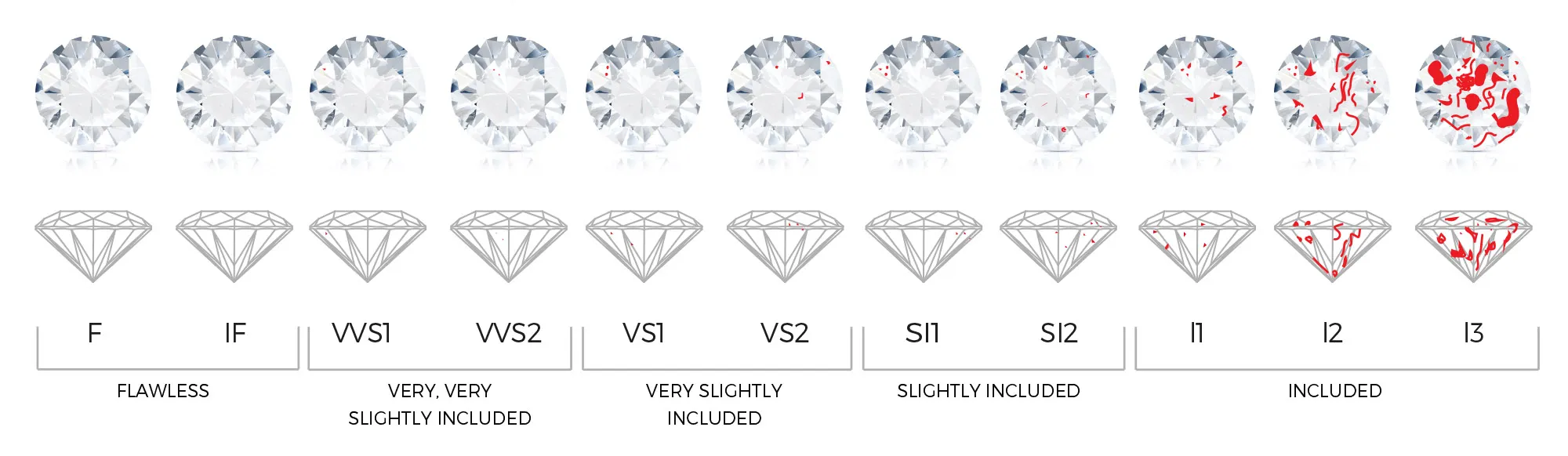
Diamond clarity grades explained
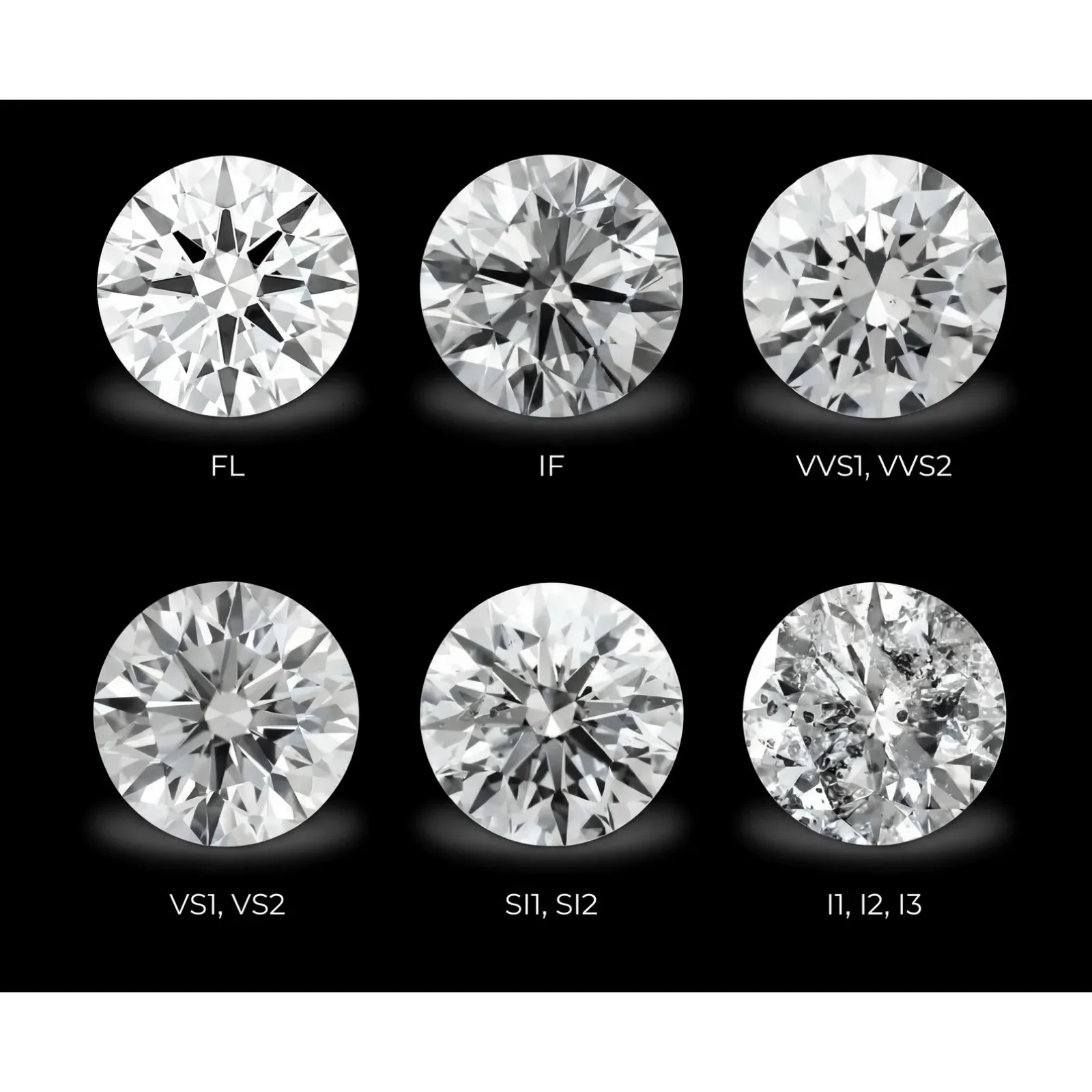
FL
Flawless
No inclusions or blemishes show up under 10x magnification. It is a rare grade, and it usually carries a price premium that does nothing for the face-up look of a ring.
IF
Internally flawless
No inclusions show under 10x magnification, though there may be minor blemishes on the surface. It is still more clarity than most engagement ring buyers really need.
VVS1 and VVS2
Very very slightly included
Inclusions are hard for even a trained grader to find under 10x magnification. VVS diamonds look clean, but the step up from VS is rarely something you can see without magnification.
VS1 and VS2
Very slightly included
Minor inclusions show up under magnification, but usually not to the naked eye. VS2 is often where good value and a clean look meet for engagement rings.
SI1 and SI2
Slightly included
Inclusions are easier to spot under magnification. Plenty of SI1 diamonds are still eye-clean, especially in round brilliants, while SI2 needs a closer look before you commit.
I1, I2 and I3
Included
Inclusions are obvious under magnification and often visible without it. They can affect transparency, sparkle or even durability, so these grades are rarely a good fit for an engagement ring.
What is an eye-clean diamond?
Eye-clean means the inclusions are not visible to the naked eye at a normal viewing distance. It is the point where clarity stops being theory and starts to matter in practice, because the person wearing the ring sees the diamond face-up on the hand, not under a gemmological microscope.
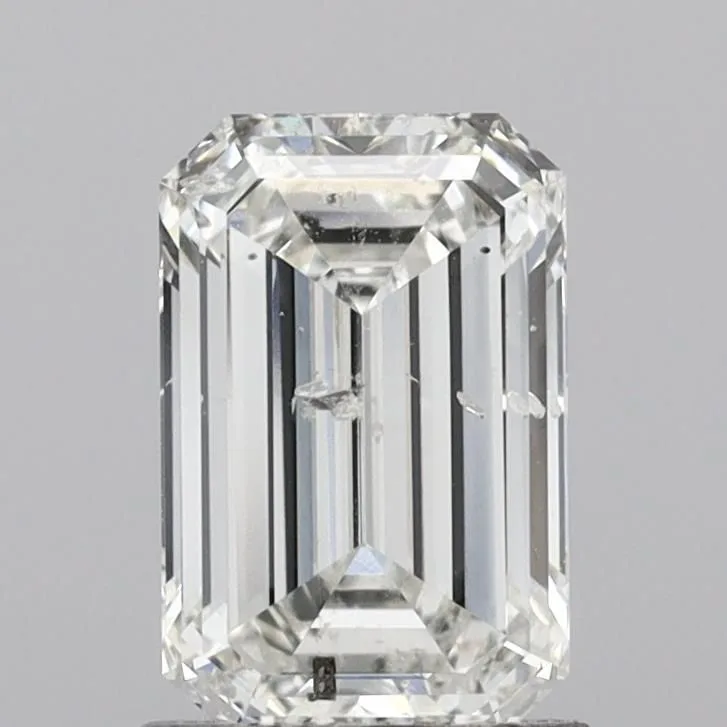
Two SI1 diamonds can behave very differently. A white feather near the edge might tuck away behind a claw, while a dark crystal under the table can catch your eye every time the stone moves in the light. That is why magnified video, the grading report and a real set of eyes on the stone matter more than the clarity label on its own.
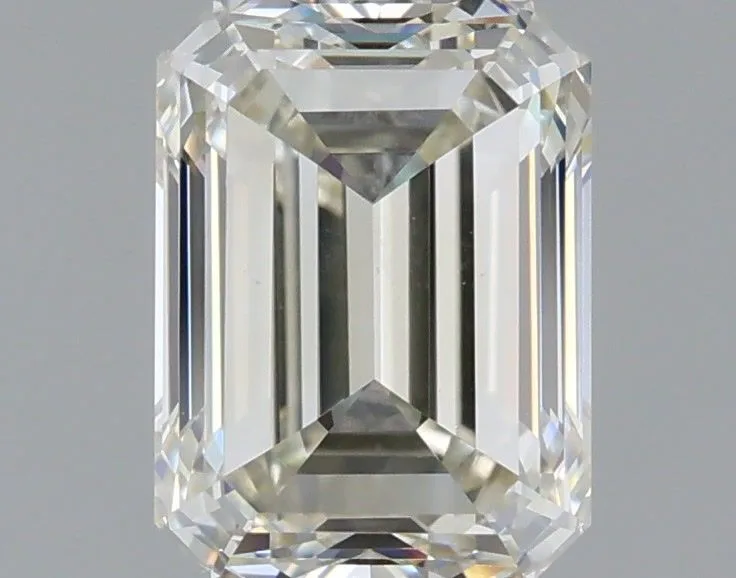
Shape changes the threshold too. Round brilliants, ovals and cushions can disguise small inclusions in their facet pattern, while emerald cuts and other step cuts show more of the stone at once, so they usually call for a cleaner grade.
Best diamond clarity to buy
Most brilliant cuts
Start at VS2, then compare SI1 stones if you can inspect each one. This is where a lot of buyers keep the face-up look clean and put the saved budget into cut or size instead.
Step cuts
Emerald and asscher cuts often want VS1 or better, since their long facets show inclusions more plainly. A clean-looking VS2 can still work if the inclusion is small, pale and well away from the centre.
Larger diamonds
Above about 1.5 carats, inclusions get easier to notice because there is simply more stone to look at. Check the exact diamond rather than assuming a grade will look the same at every size.
Clarity is rarely chosen on its own. Most buyers weigh it up next to colour, so it is worth reading the diamond colour chart alongside this page, and the 4Cs of diamonds guide shows how cut, colour, clarity and carat trade off against each other. The GIA, which developed the clarity scale, also publishes its own diamond clarity overview.
Lab-grown diamond clarity
Lab-grown diamonds use the same clarity scale as mined diamonds whenever a lab grades them on the 4Cs. IGI does this, so a VS2 lab-grown diamond and a VS2 mined diamond are being described in the same clarity language. GIA is the exception: since October 2025 its lab-grown reports give a Premium or Standard rating rather than an individual clarity grade.
The types of inclusion can differ. HPHT growth may leave tiny metallic inclusions, and CVD growth can show strain patterns or pinpoint features, though a well-chosen stone will still face up clean. The rule does not change. Choose the lowest clarity grade that still looks clean in the diamond in front of you.
Ready to compare
Choose the stone with clarity in context
Browse lab-grown diamond engagement rings and compare clarity alongside cut, colour, shape and setting style.
View lab-grown ringsFrequently asked questions
- What diamond clarity grade should I choose?
- VS2 is the safest clarity grade for most engagement rings because it usually looks clean without magnification. SI1 can be good value when the individual stone is eye-clean, while step cuts often need VS1 or better.
- What does eye-clean mean in a diamond?
- Eye-clean means you cannot see the inclusions with your naked eye from a normal viewing distance. It is more useful than the grade alone because two diamonds with the same clarity grade can look different.
- Is flawless diamond clarity worth it?
- Usually no. FL and IF clarity grades are rare and expensive, but most people cannot see a difference once the diamond is set. For a ring worn every day, cut quality and an eye-clean appearance matter more.
- Does diamond shape affect clarity?
- Yes. Round brilliant, oval and cushion cuts hide inclusions better because their facets scatter light. Emerald cuts and asscher cuts have broad, open facets, so inclusions show more easily.
- Can diamond inclusions get worse over time?
- Most inclusions stay stable. Durability risks come from certain inclusions, such as feathers near the edge or surface-reaching fractures, which should be checked on the grading report and with magnified images.
Need a second look
Send us the diamond report
If you are comparing two stones, send the grading reports or videos and we can help you spot which inclusions matter.
Contact the studio