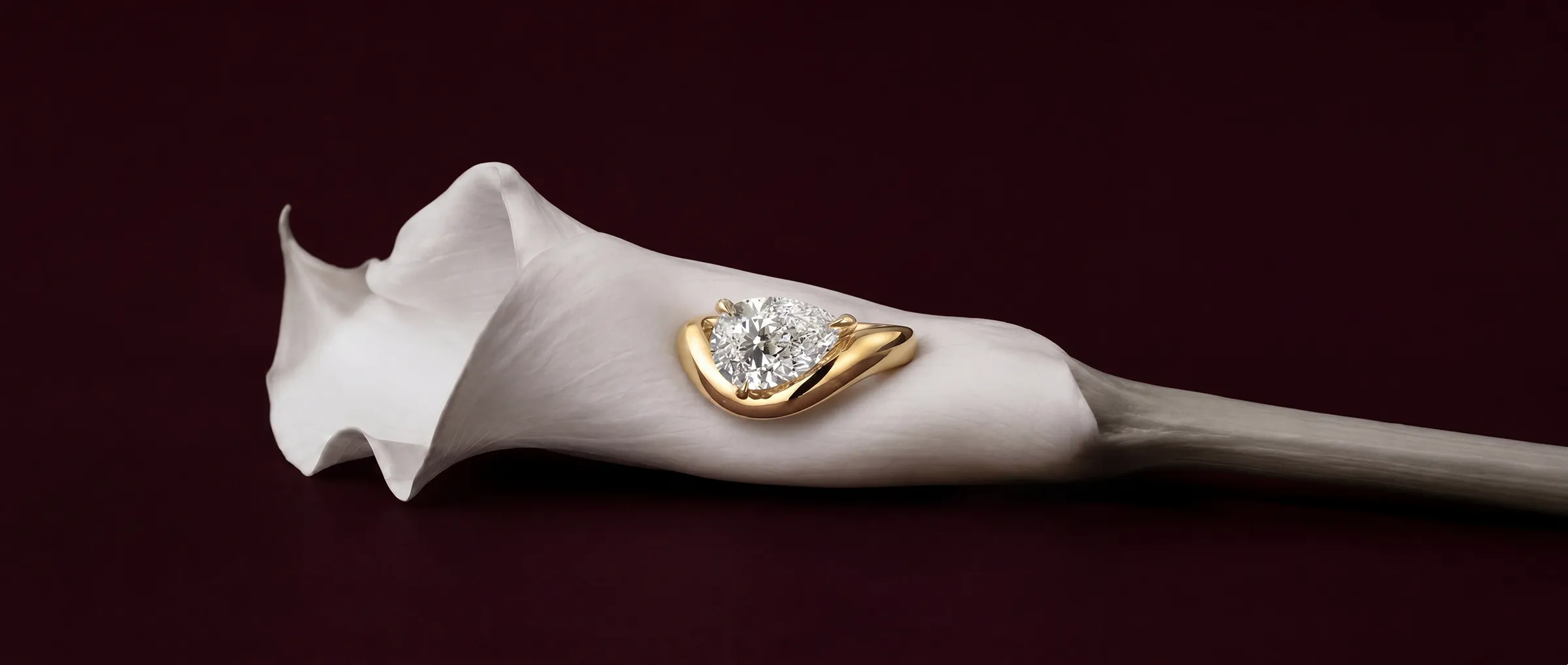
Princess Engagement Ring Collection

Explore our exquisite collection of princess engagement rings with lab-grown diamonds or moissanite, designed by our Melbourne-based team.

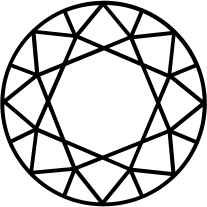
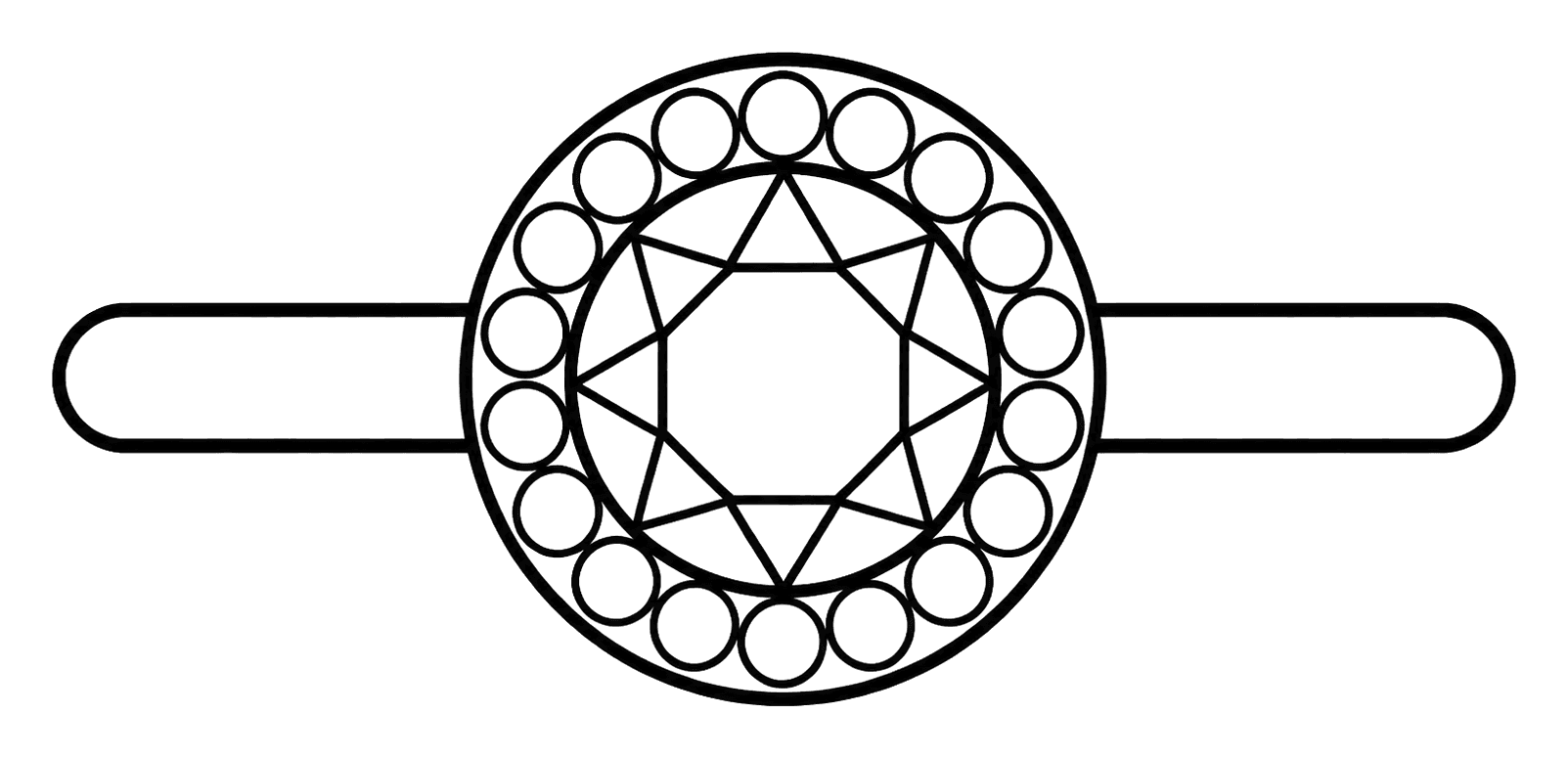
round
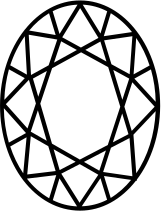
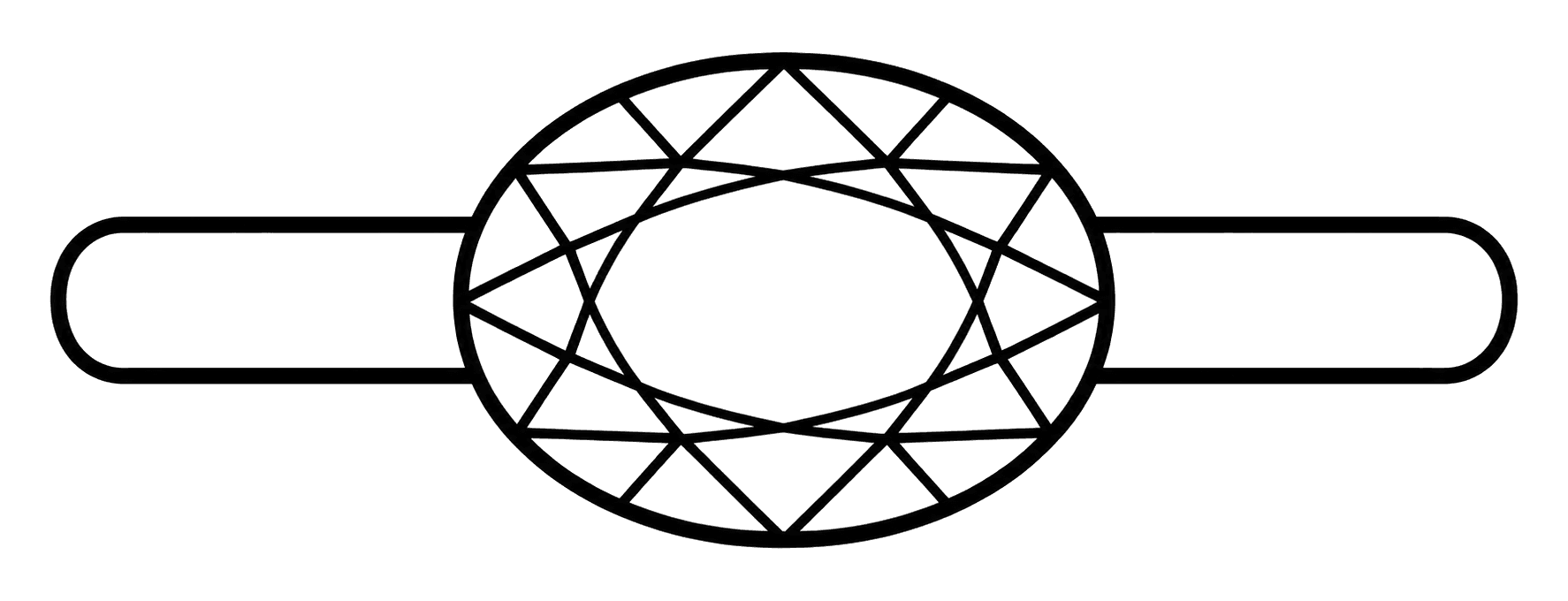
oval
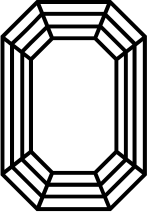
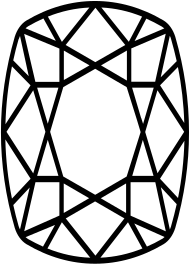
emerald
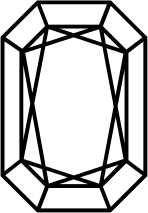
radiant
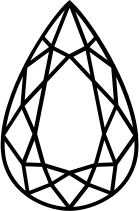
pear
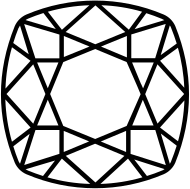
cushion
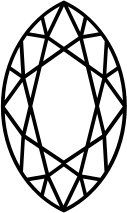
marquise
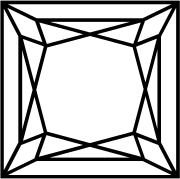
princess

Our Approach

We craft beautiful engagement rings of the highest quality

01

Made to Order

We make each piece when you order it.That cuts waste. It also keeps pricing fair.Nothing sits in a warehouse.
02

Built Around Your Choices

You choose the stone and the setting.You can select the metal, shape, and key details.We make it to your spec.
03

Straight Guidance

We explain the trade-offs in plain language.Cut, colour, clarity, setting strength, and daily wear.You decide with confidence.
04

Sourced and Verified

Our stones are independently certified.We work with trusted suppliers.We prioritise quality, transparency, and responsible sourcing.
Certified stones from:
GIA CertifiedIGI Certified

ENGAGEMENT RING FREQUENTLY ASKED QUESTIONS

An engagement ring symbolizes a promise to marry. It is typically given during a proposal or shortly after a couple decides to wed. Traditionally, the ring features a single dominant diamond. Modern styles vary, offering three-stone rings, clusters, or simple bands. In Western cultures, the ring is worn on the left hand to represent this formal commitment.
An engagement ring is a permanent symbol of commitment. It is the most significant piece of jewelry a person will wear. Unlike other accessories, it is worn every day for a lifetime. The choice represents a major emotional and financial investment. Selecting the right ring ensures it matches the wearer’s style and fits perfectly. It turns a romantic gesture into a shared memory of partnership.
No, they serve different purposes. An engagement ring symbolizes a promise. It is given during the proposal and typically features a dominant center stone. A wedding ring represents the marriage vows. It is exchanged during the ceremony and is usually a simple metal or diamond band. Traditionally, you wear the engagement ring before the wedding. After the ceremony, you wear both on the left ring finger, with the wedding band placed closest to the heart.
A promise ring signifies a commitment between two people who are not yet ready for marriage. It acts as a precursor to an engagement. These rings are typically understated, often featuring colored gemstones or simple bands. An engagement ring is a formal declaration of the intent to marry. It is presented during a proposal and usually features a prominent diamond or center stone. While a promise ring can be worn on any finger, an engagement ring is traditionally worn on the left ring finger.
No, they are not. While tradition once focused on women, modern norms have shifted. Men are increasingly wearing engagement rings to signal their commitment. In many same-sex relationships, both partners exchange rings. The ring is a symbol of a promise. That promise belongs to everyone.
Yes, men wear them. It is a growing choice. In some cultures, it has always been the tradition for both partners to wear rings. In Western countries, it is becoming a modern sign of equality. A man wears the ring to show he is committed. It signifies that the promise to marry is mutual.
Choosing a ring is a personal journey. Start by observing the wearer's style—do they prefer gold or silver? Minimalist or bold designs? Next, set a realistic budget. Remember that you do not have to follow the "three months' salary" rule. Research the 4Cs (Cut, Color, Clarity, Carat) if you are choosing a diamond, or explore durable alternatives like sapphires. Finally, visit a jeweler to see styles in person. If you are unsure, consider proposing with a placeholder ring and designing the final piece together.
Engagement ring prices vary based on two factors: the setting and the stone. Settings typically range from $500 to $5,000. The cost of the center stone fluctuates wildly depending on type, size, and quality, starting from $600 and reaching over a million dollars. Ultimately, you set the budget. Most couples spend between $1,000 and $4,000 to find a ring that fits their life.
No, an engagement ring does not require a diamond. While diamonds are popular for their hardness and sparkle, they are a relatively modern standard. Historically, couples favored colored gemstones like sapphires and rubies. Today, you can choose any stone that suits your style, or even a simple metal band. If you choose an alternative gemstone, prioritize durable stones like sapphire or ruby that can withstand daily wear. Ultimately, the ring should represent your unique commitment, not a convention.
You can use many gemstones, but durability is key. An engagement ring is worn daily, so the stone must withstand wear. Select a gem with a Mohs hardness of 7.5 or higher. Sapphires and Rubies are the best options, ranking just below diamonds. Alexandrite, Spinel, Topaz, and Aquamarine are also strong choices. Avoid soft stones like Opal, Pearl, Tanzanite, and Amethyst. These scratch or chip easily, sometimes even from dust. Choose a stone that stays brilliant for a lifetime.
Evaluate the diamond using the 4Cs: Cut, Color, Clarity, and Carat. The Cut is the most important factor. It determines how the stone reflects light and sparkles. Color measures the lack of tint; a near-colorless stone looks white and offers good value. Clarity grades internal imperfections, so choose a stone that appears clean to the naked eye. Carat refers to weight, not size. Prioritize a high-quality Cut over a heavy Carat for the best brilliance.
For maximum sparkle, the Round Brilliant is the superior choice. It is scientifically designed with 58 facets to reflect the most light. This cut hides imperfections well and offers unmatched brilliance. However, the "best" cut ultimately depends on personal taste. Princess cuts offer a modern, square look, while Emerald cuts prioritize clarity over sparkle. If your goal is light performance, the Round Brilliant stands alone.
The Round Brilliant cut is the most popular due to its unmatched sparkle and timeless look. Oval cuts are a current favorite for their elongating effect on the finger. Princess cuts offer a modern, square shape with sharp corners. Emerald cuts provide a sophisticated, vintage feel with step-cut facets. Cushion cuts blend a square shape with rounded corners for a soft, romantic glow. Pear shapes, resembling a teardrop, are chosen for their unique, elegant silhouette.
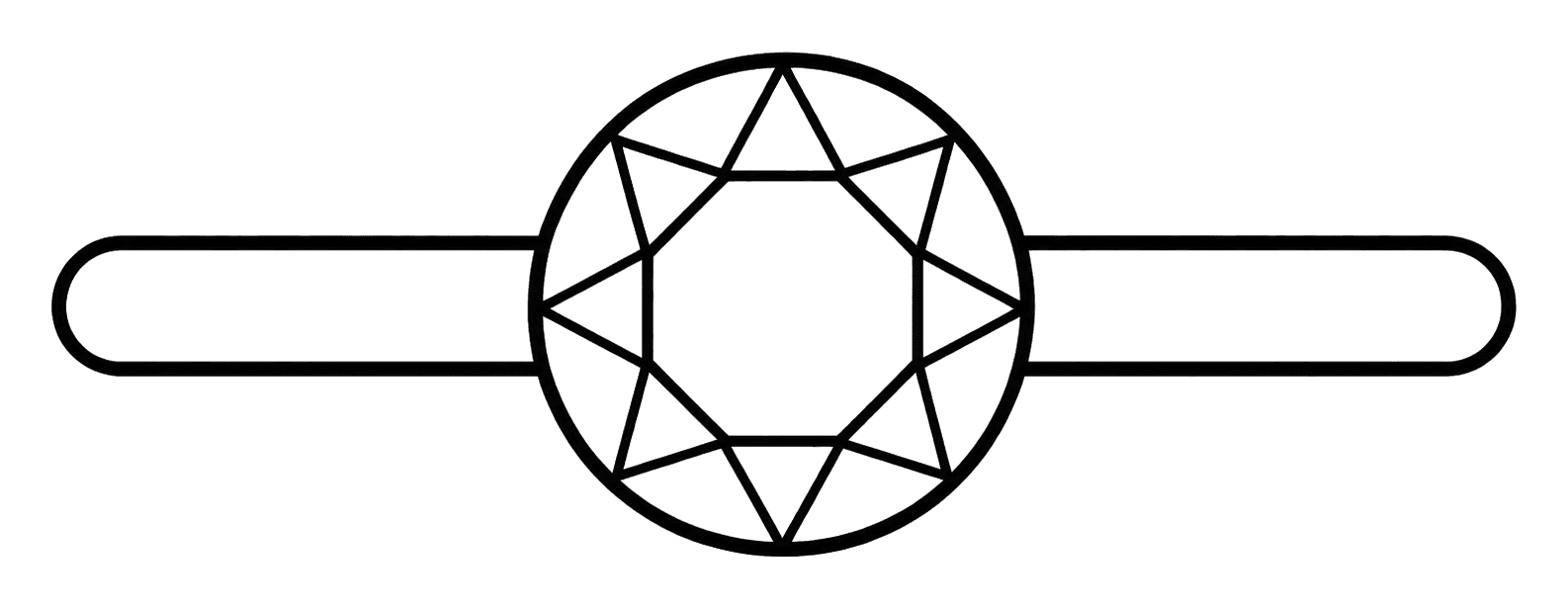
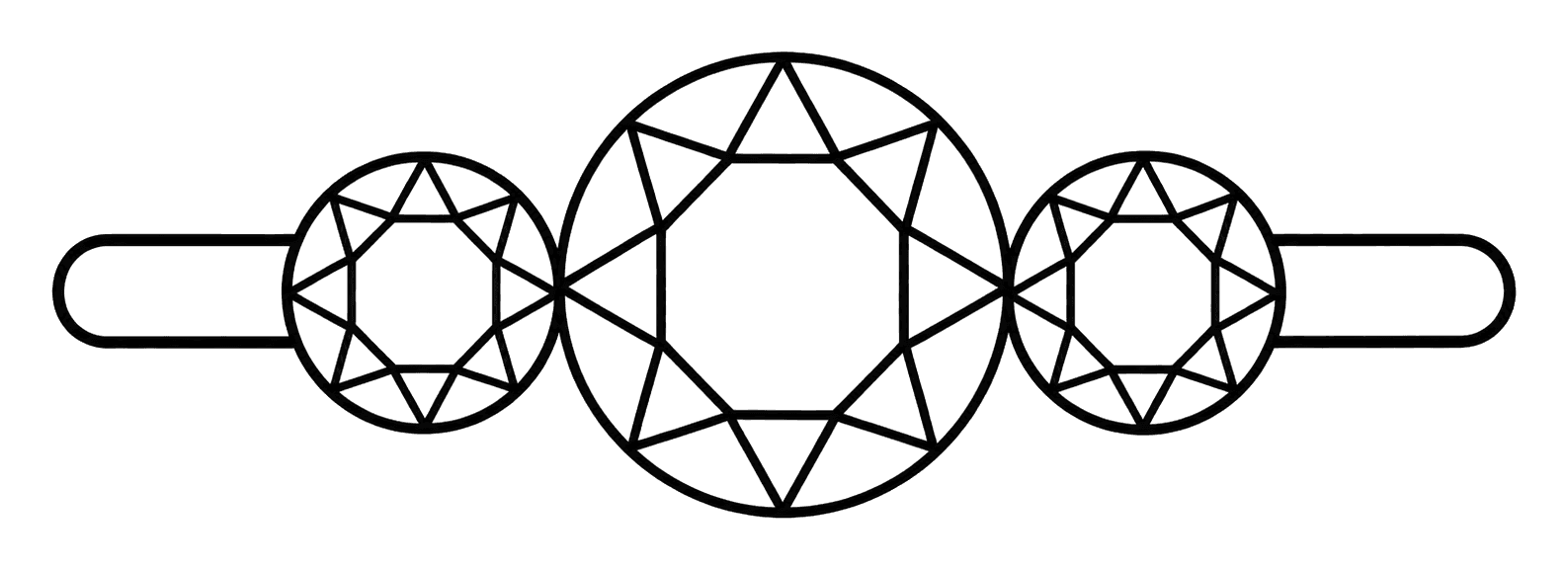
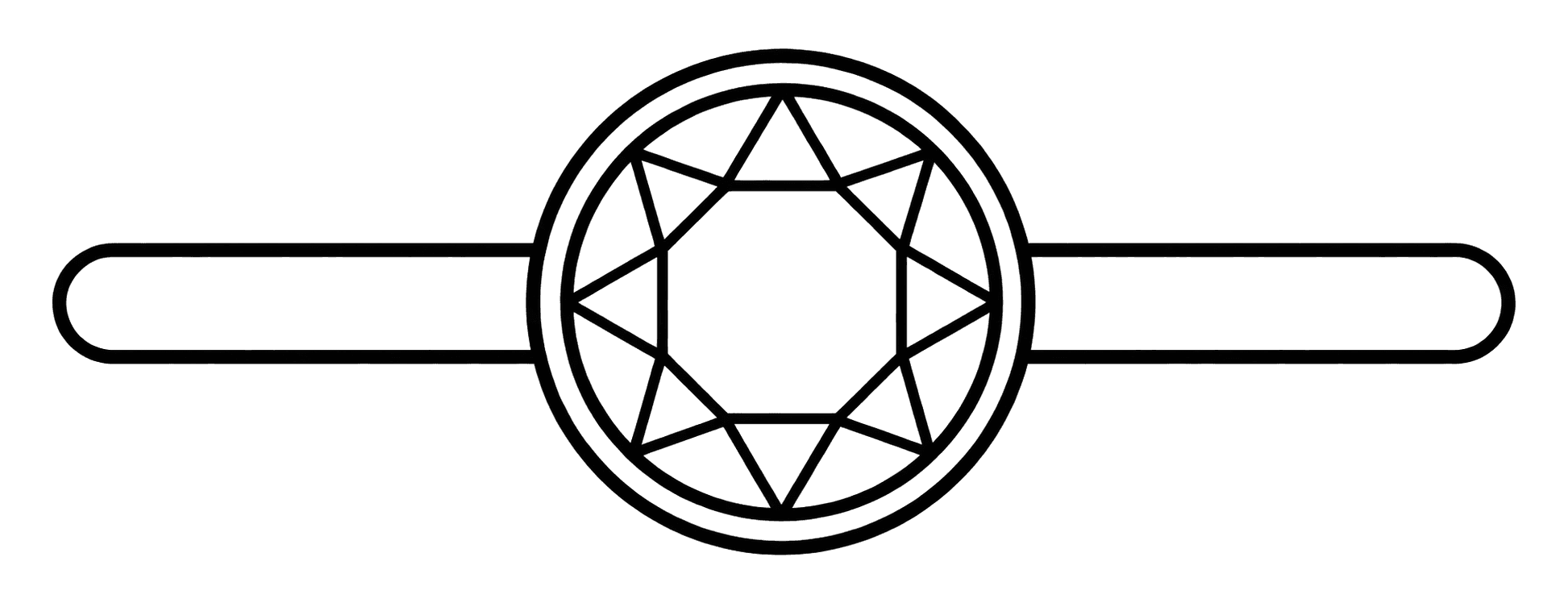
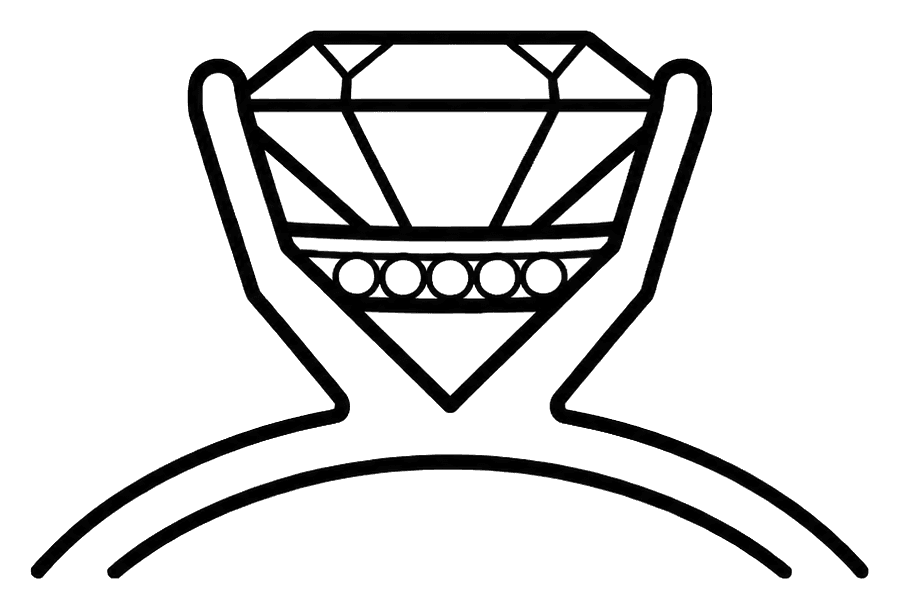
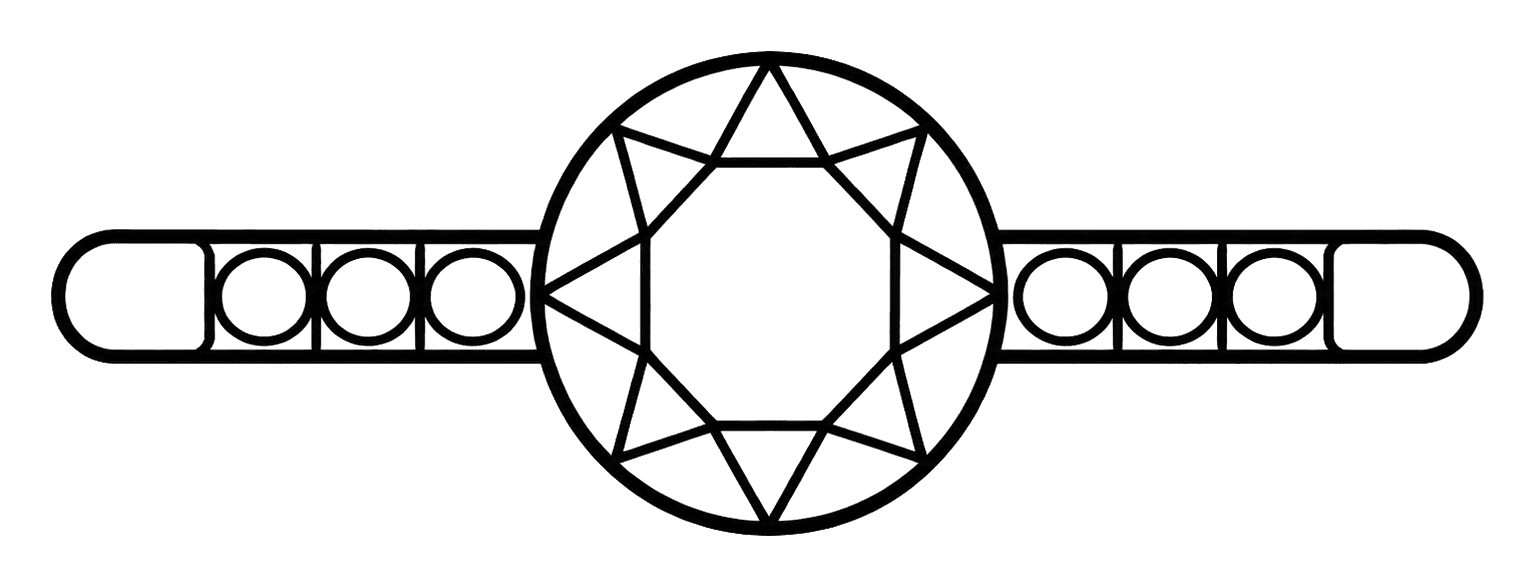
Ring designs define how the gemstone is displayed. The Solitaire is the most traditional choice, featuring a single, dominant stone. The Halo surrounds the center gem with a circle of smaller diamonds to increase its visual size and sparkle. Three-Stone rings flank the center gem with two side stones, symbolizing the past, present, and future. Pavé settings line the band with tiny diamonds for continuous shine. Bezel settings encircle the stone in a metal rim for a modern, secure fit.
Trends shift, but classics remain. Solitaire rings are the most enduring choice. They showcase a single stone without distraction. Oval and Emerald cuts are currently popular for their elegant, elongated shape. Trilogy rings, featuring three stones, are favored for their symbolism of the past, present, and future. Halo designs remain common for adding size and sparkle. Recently, Yellow Gold bands and colorful gemstones like Sapphires have seen a strong resurgence among modern couples.
A unique engagement ring reflects the wearer’s individual style. It avoids mass-produced designs in favor of personal expression. Uniqueness often comes from custom details, such as a colored gemstone, a rare diamond cut, or an intricate band. Mixing metals or incorporating vintage elements adds character. Personal touches, like an engraving or a hidden stone, connect the piece to your shared history. A truly unique ring is a one-of-a-kind symbol of your specific relationship.
The least common engagement rings feature rare diamond cuts or alternative gemstones. Heart and Trillion shapes are seldom seen because they often sparkle less than standard cuts. Rings set with Alexandrite, Moonstone, or Morganite are distinct alternatives to the traditional diamond. Vintage pieces offer history and craftsmanship that cannot be mass-produced. The rarest choice of all is a bespoke ring. Designed from scratch, it is a truly one-of-a-kind symbol that no one else wears.
To find a truly unique ring, you must create it. You will not find true individuality in a mass-produced design. Instead, you need to work with a jeweler to build something custom. At Lily Dia, we specialize in this process. You bring the inspiration, whether it is from social media, saved images, or a combination of two different styles. We then craft a design that is yours alone. This ensures your engagement ring is a one-of-a-kind symbol.
The choice depends on durability and style. Yellow Gold is a timeless classic with a warm glow. White Gold offers a modern, silvery finish but needs maintenance to retain its colour. Rose Gold provides a distinctive pink hue and is tough. Platinum is the most durable option. It is naturally white, hypoallergenic, and heavy. Check the jewellery your partner already wears to find the best match.
We offer the standard precious metals. Yellow Gold is the timeless choice, valued for its warm luster. White Gold provides a bright, silver finish that complements white diamonds. Rose Gold mixes copper to create a soft, romantic pink hue. Platinum is the premium option. It is naturally white, dense, and hypoallergenic, making it the most durable choice for a lifetime of wear.
Yes. You are not limited to pre-made designs. You can select the specific gemstone, the metal, and the setting. You can modify an existing style or build a ring from scratch. Customization allows you to create a piece that fits your specific taste and budget. It ensures your ring is a unique symbol of your relationship.
The process begins with an idea. Gather images or sketches of rings you admire. Present these to your jeweller to discuss your style and budget. They will create a digital model or drawing for you to review. You refine the details together until the design is perfect. Once approved, the jeweller casts the metal and sets the stone. You end up with a piece that exists nowhere else.
Creating a custom engagement ring takes six to twelve weeks. This timeline allows for the design, casting, and setting of the stone. Quality craftsmanship requires time and cannot be rushed. Plan your proposal date with this schedule in mind to ensure the ring is ready.
The standard lead time is six to twelve weeks. This period covers the entire process from initial design to final polish. Complex designs or rare gemstones may require the full twelve weeks. Simple modifications might take less time, but you should not count on it. Start the process early. It ensures your ring is ready when you are.
The most accurate method is professional measurement. Visit a jeweller to have the finger sized. If the proposal is a surprise, borrow a ring your partner wears on the ring finger. Trace the inner circle on paper or press it into a bar of soap for reference. Remember that fingers swell with heat and shrink with cold. If you are unsure, choose a slightly larger size. It is easier to size a ring down than to make it larger.
Traditionally, you wear the engagement ring on the fourth finger of the left hand. This custom comes from the ancient belief that the "vein of love" runs directly from this finger to the heart. It symbolizes a direct connection to your emotions. While some cultures prefer the right hand, the left ring finger remains the standard placement for this commitment in Western traditions.
Tradition dictates the order. Place the wedding ring on your finger first. It sits closest to the heart. Slide the engagement ring on next to seal the promise. On your wedding day, move the engagement ring to your right hand. This keeps the finger open for the band. After the ceremony, move the engagement ring back to the left hand to stack them.
Yes, you can. Many couples choose to use a single ring to symbolize both promises. It simplifies daily wear and reduces costs. There are no strict rules against it. If you choose this path, ensure the ring is durable enough for everyday use. While tradition often suggests two separate rings, your personal preference is the only standard that matters.
Keep the ring hidden until the moment arrives. Choose a setting that holds meaning for you both. When the time is right, get down on one knee. Ask the question clearly. Open the box to reveal the ring. Once the answer is yes, slide the ring onto the fourth finger of the left hand. The gesture is simple, but it seals the promise.
Clean your ring regularly to maintain its sparkle. Use warm water, mild dish soap, and a soft toothbrush. Scrub gently behind the stone where dirt collects. Remove the ring during rough activities like gym workouts, gardening, or heavy lifting. Harsh chemicals can damage the metal. Store it separately in a soft pouch to prevent scratching. Visit a jeweller once a year to check the prongs and ensure the stone is secure.
No, you should not swim with your ring. Cold water shrinks your fingers, making the ring loose and easy to lose. Chlorine in pools and salt in the ocean can also damage the metal and discolor the setting. It is safer to leave the ring on dry land.
Yes, most reputable jewelers offer a warranty. This typically covers manufacturing defects in craftsmanship, such as flawed metal finishes or loose settings present from production. It is essential to understand what the warranty covers and what it does not. Normal wear and tear, accidental damage, loss, or theft are generally excluded. Always keep your proof of purchase and consider annual professional inspections to maintain the warranty and protect your ring.
No, engagement rings are not financial investments. They depreciate immediately after purchase, much like a new car. The retail price includes labor, branding, and markup, which you cannot recover. Reselling a ring typically yields only a fraction of the original cost. You often receive only the scrap value of the metal and the wholesale price of the stone. While natural diamonds retain some residual value, lab-grown diamonds have almost no resale potential. Value lies in the sentiment, not the profit.
You cannot value it yourself. You must obtain an independent valuation from a qualified professional. This document verifies that the diamond matches its certificate and assesses the quality of the setting. Insurance companies require this for coverage. Avoid valuations written by the retailer, as this creates a conflict of interest. Instead, ensure the document comes from a registered member of the National Council of Jewellery Valuers (NCJV). If you purchased the ring overseas, you must get it valued in Australia to account for local currency and replacement costs.