What Is Diamond Cut Quality and Why Does It Matter?
Cut isn't the shape of the stone. It's the proportions — and getting it wrong means a diamond that looks completely dead on your finger.
Read ArticlePure carbon, same as mined diamonds. Hardness of 10 on the Mohs scale. The same optical properties and certified grading standards. A real diamond grown in a lab.
Produces 2.4× more fire than diamonds. Refractive index of 2.65 creates visible rainbow flashes. Sparkles strongly in all light. Silicon carbide crystal structure.
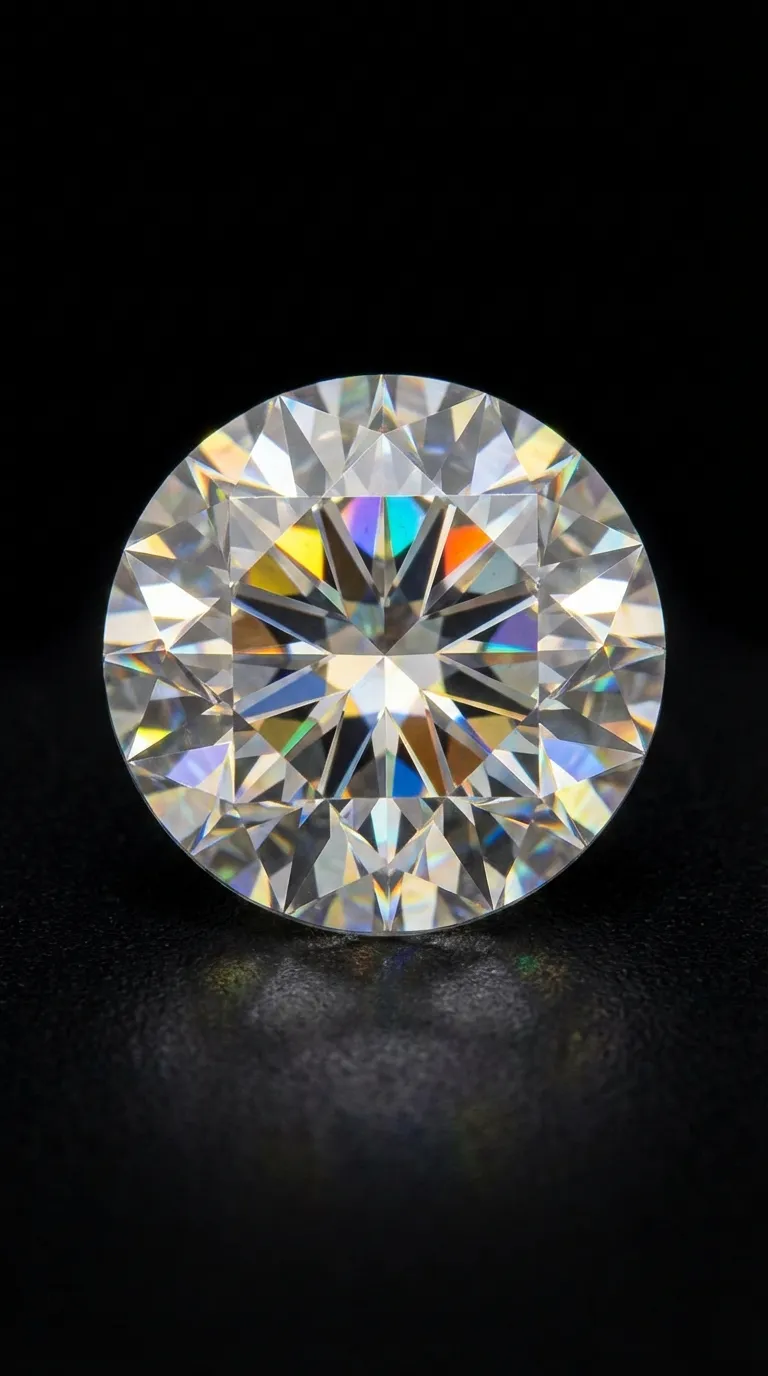
Higher fire dispersion than diamonds. More visible sparkle. Lower cost per carat.
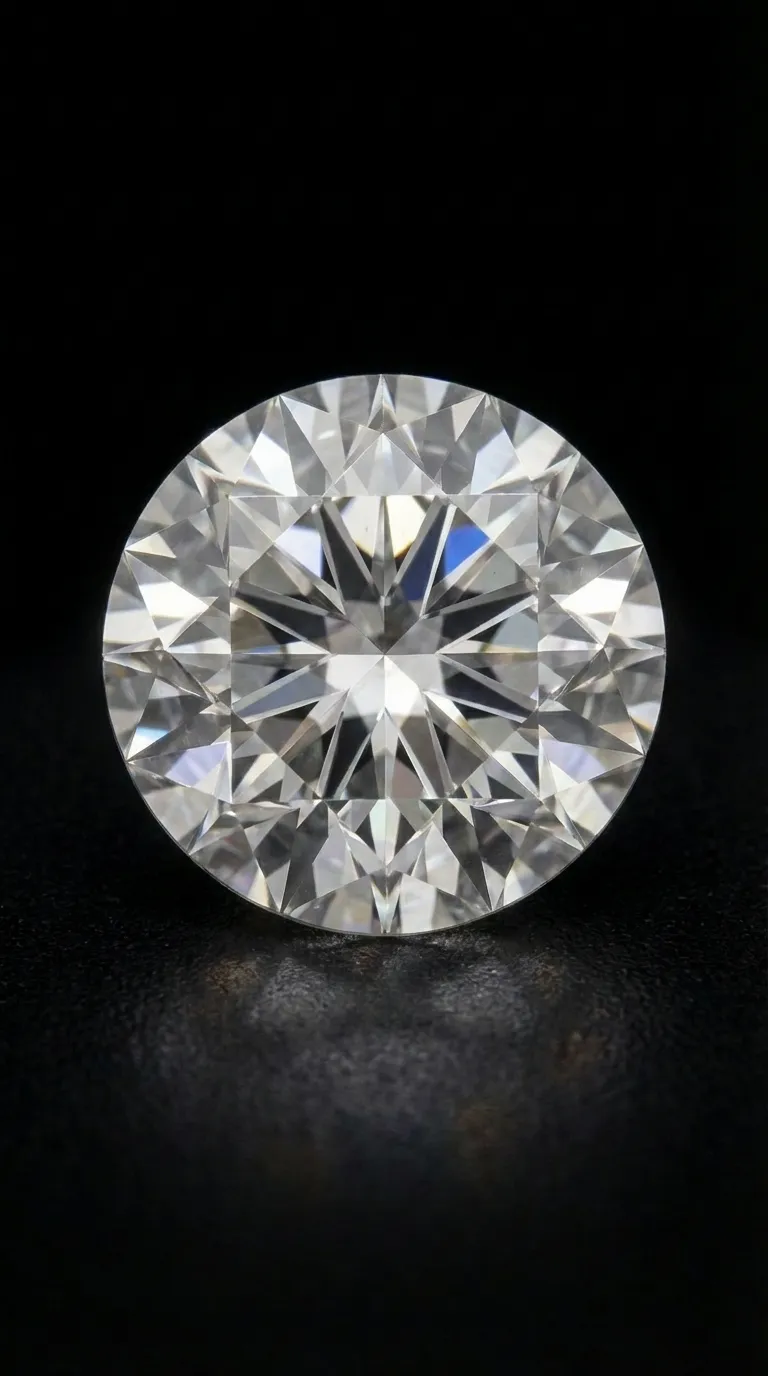
Same composition as mined diamonds. Lab-grown without mining. Real diamond, different source.
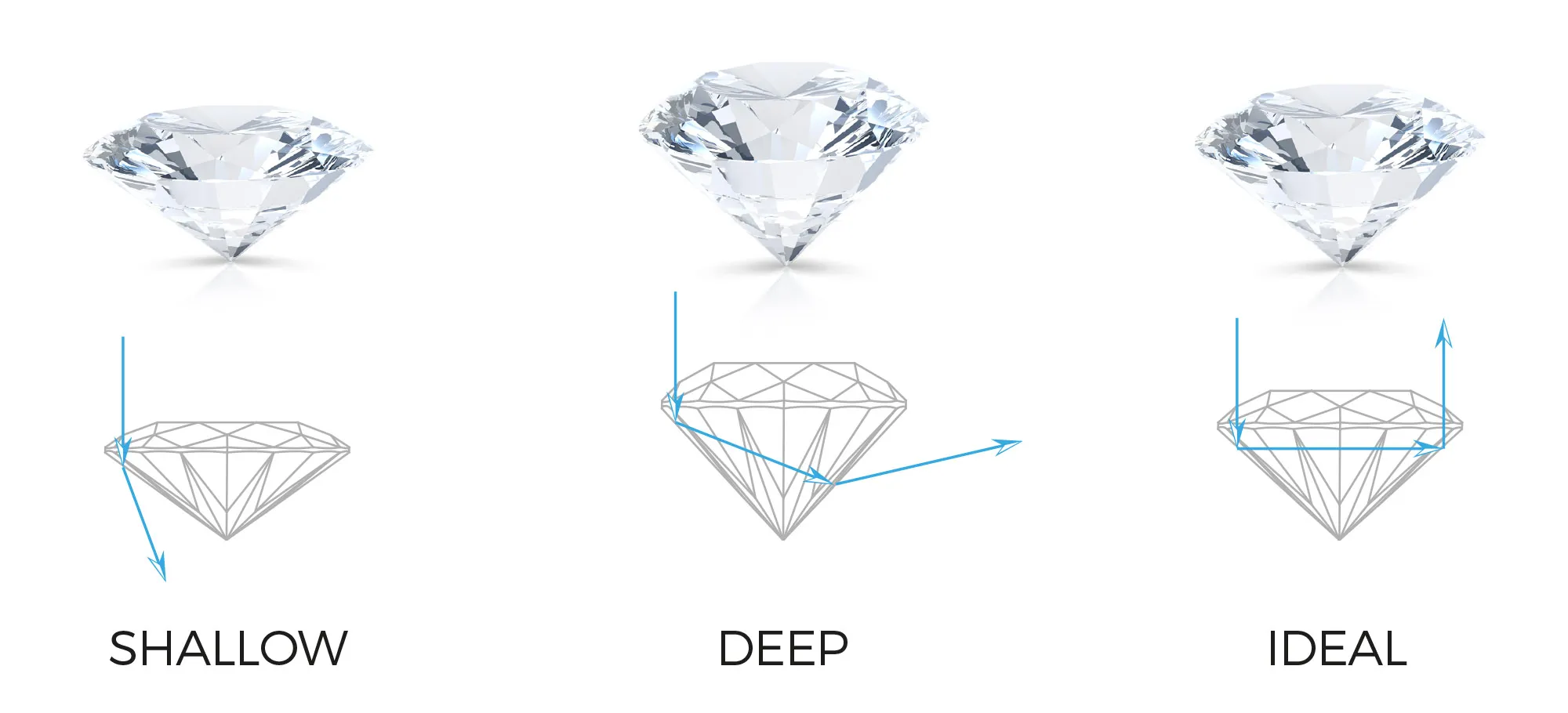
How light moves through the stone. A well-cut stone reflects more light. This determines brilliance and sparkle.
Shows more rainbow fire than diamonds. Light disperses into visible color flashes. Sparkles strongly even in dim lighting.
Cut with precision for maximum light return. The same brilliance as mined diamonds. Same optical properties, different origin.
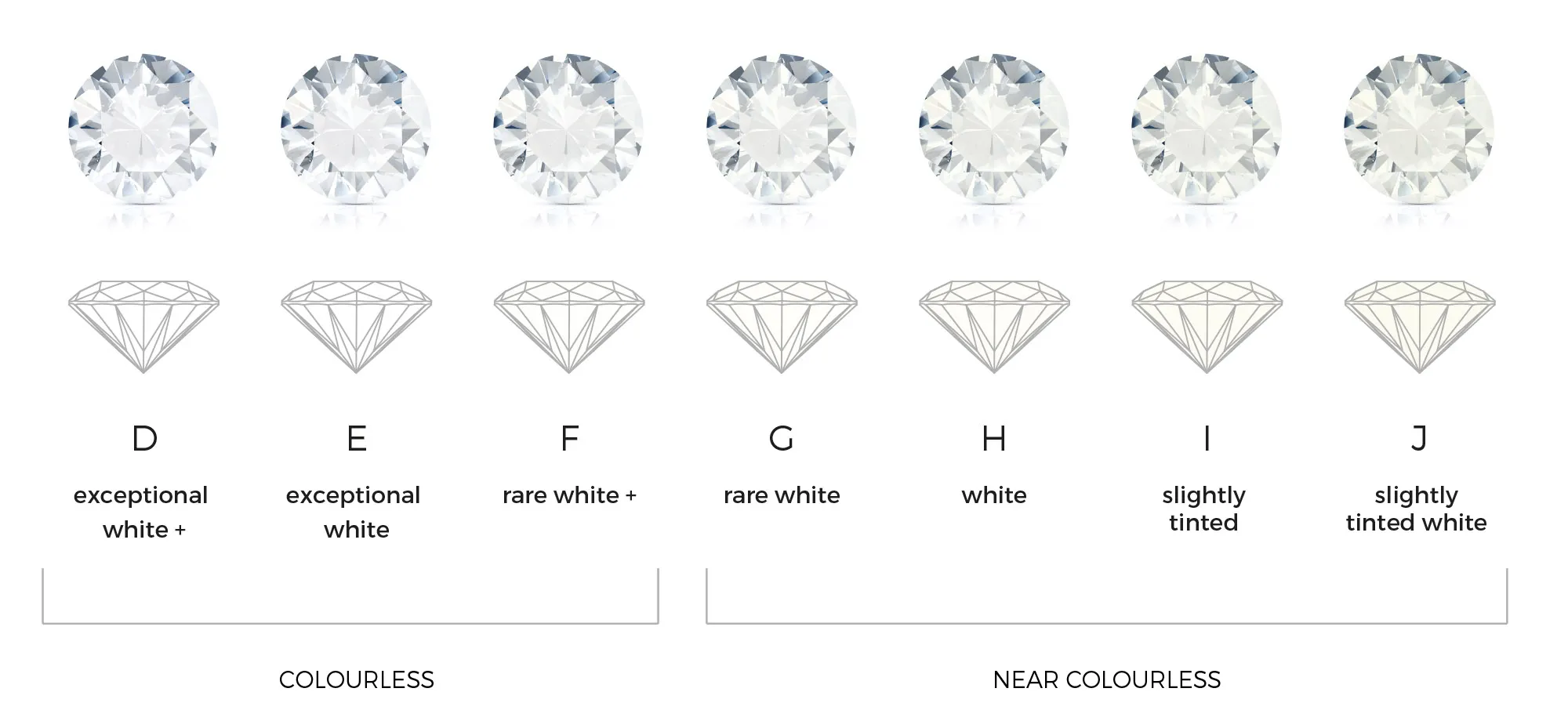
The absence of color in a stone. Graded from D (no color) to Z (light yellow). Most differences invisible to untrained eyes.
We stock DEF color grades only. Some stones show faint blue or yellow tints under certain light. The strong brilliance usually masks these subtle tones.
The same color range as mined diamonds. Every grade from D to Z available. Match stones precisely for multi-stone settings.
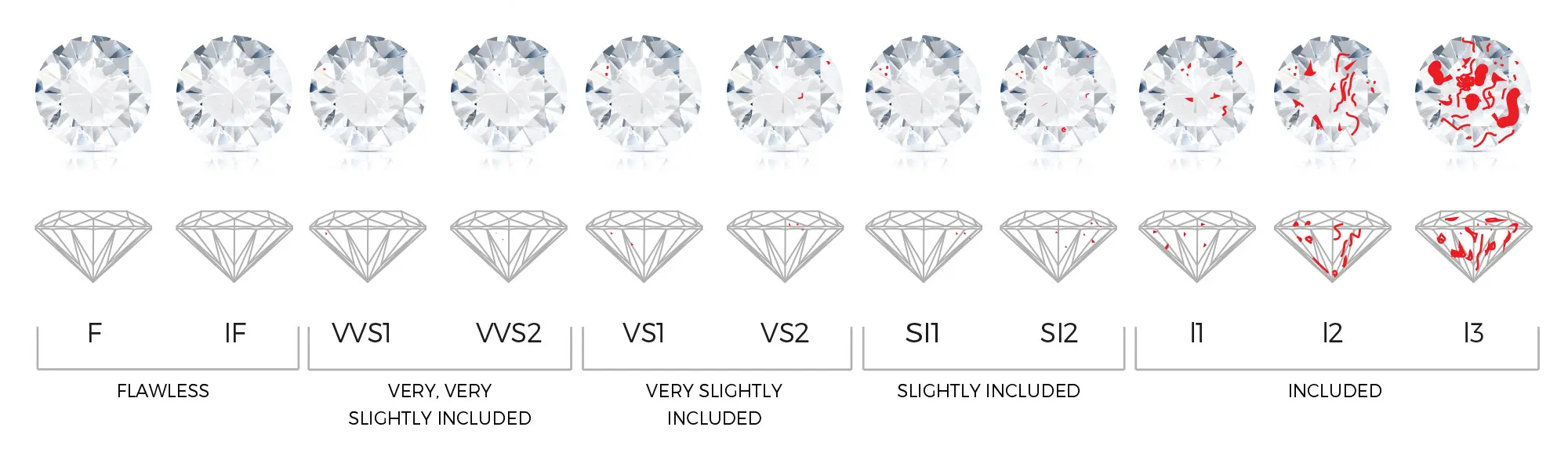
Internal flaws and surface marks in the stone. Most are invisible without magnification. Fewer inclusions mean more light passes through.
Most are eye-clean with no visible flaws. Grown in controlled conditions with fewer inclusions. VS clarity or better is standard.
Available in every clarity grade from flawless to included. Graded by the same standards as mined diamonds. Pick the clarity level you need.
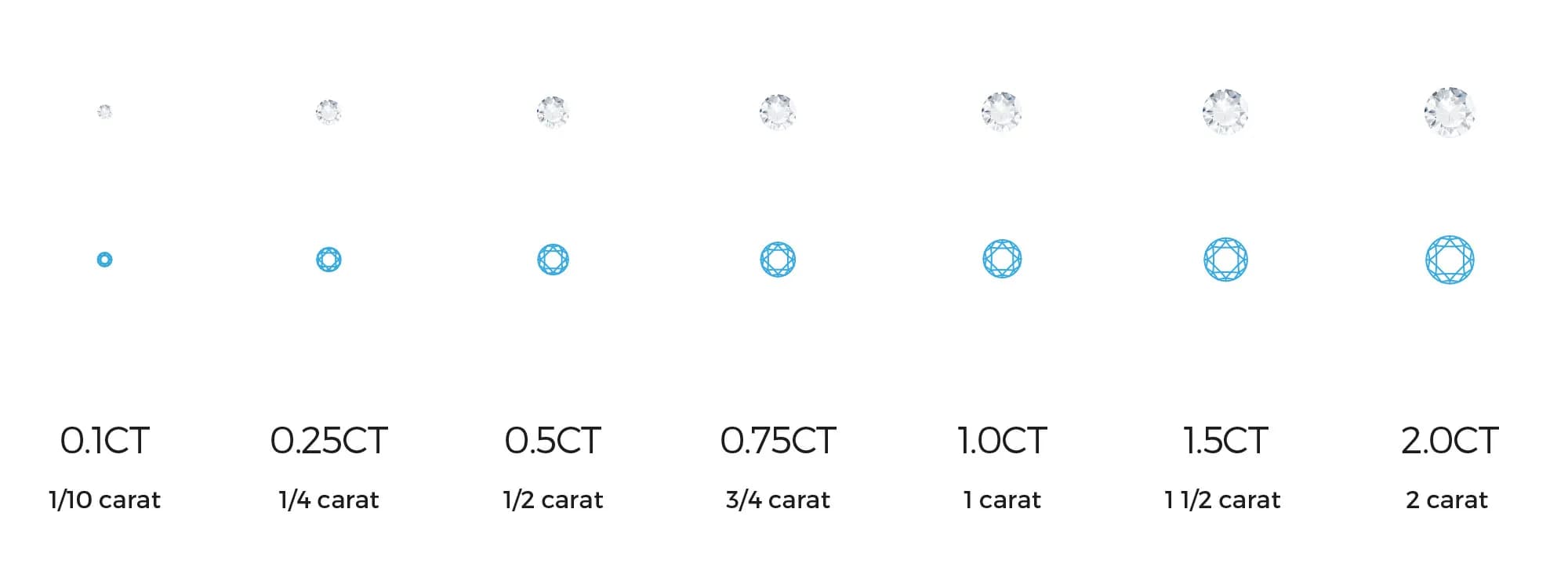
Weight of the stone in carats. One carat equals 0.2 grams. Cut quality affects how large a stone looks at any weight.
Moissanite is typically sold by millimetre size rather than carat weight, with a "diamond equivalent" size given for reference. Its lower density means a moissanite of the same dimensions weighs less than a diamond.
Same weight and dimensions as mined diamonds. Measured by standard carat weight. One carat looks like one carat.
Practical facts about performance, cost, and real-world use. What you need to know before choosing.
Costs 80–90% less than equivalent diamonds. A one-carat moissanite costs what a quarter-carat diamond costs.
9.25 on the Mohs hardness scale. Hard enough for daily wear. Resists scratching in normal use.
Lab-grown with controlled processes. Lower environmental impact than mining. No supply chain concerns.
Higher refractive index creates more fire than diamonds. More visible rainbow flashes. Stands out in any light.
Graded by the same standards as mined diamonds. GIA and IGI provide the same certification reports.
Cost around 70% less than mined diamonds. Same chemical composition at a lower price point.
Pure carbon in a cubic crystal structure. The same physical and optical properties as mined diamonds.
Growing market acceptance. More jewelers stock them. More buyers choose them each year.
Both are excellent choices. The right one depends on what matters most to you.
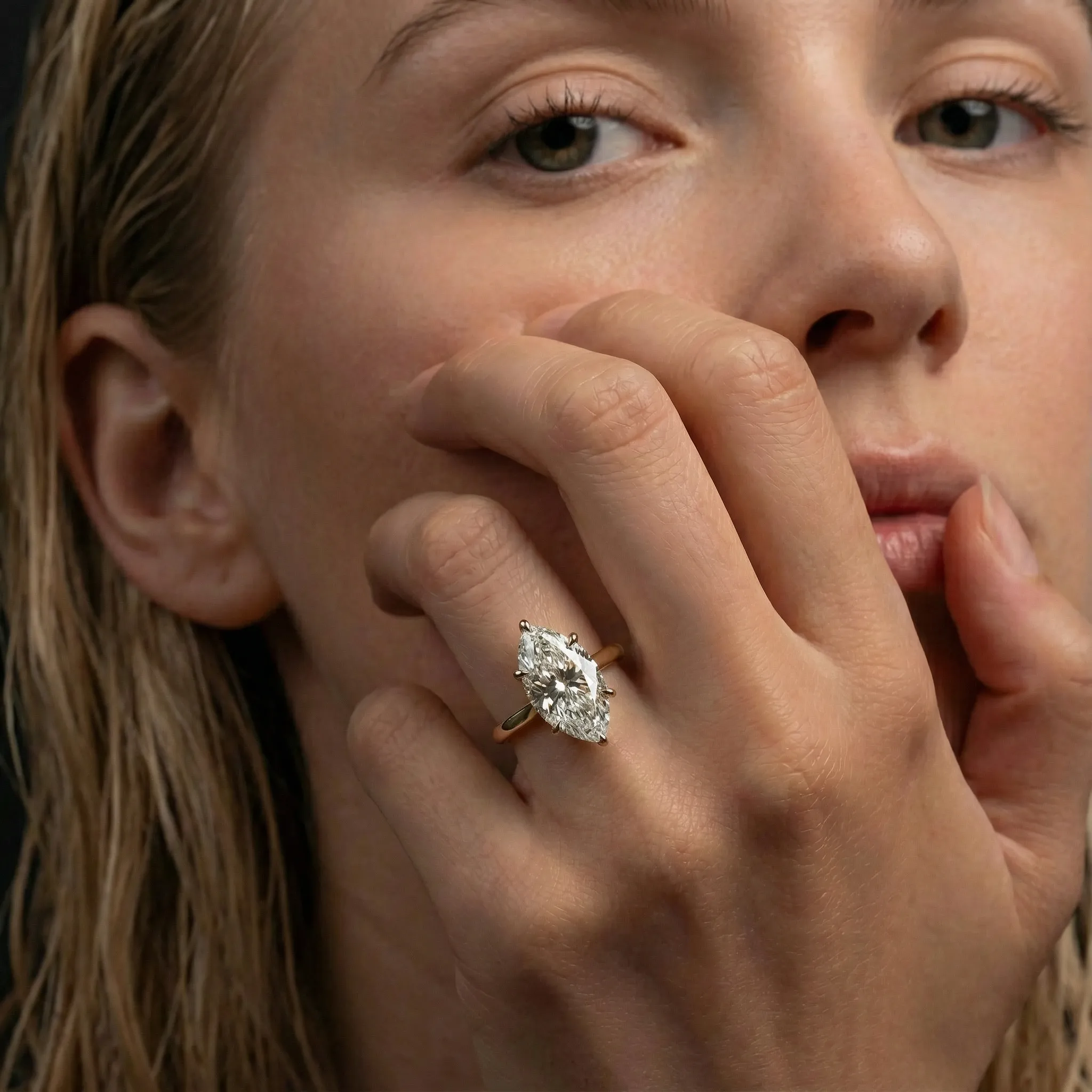
More fire and brilliance than diamond
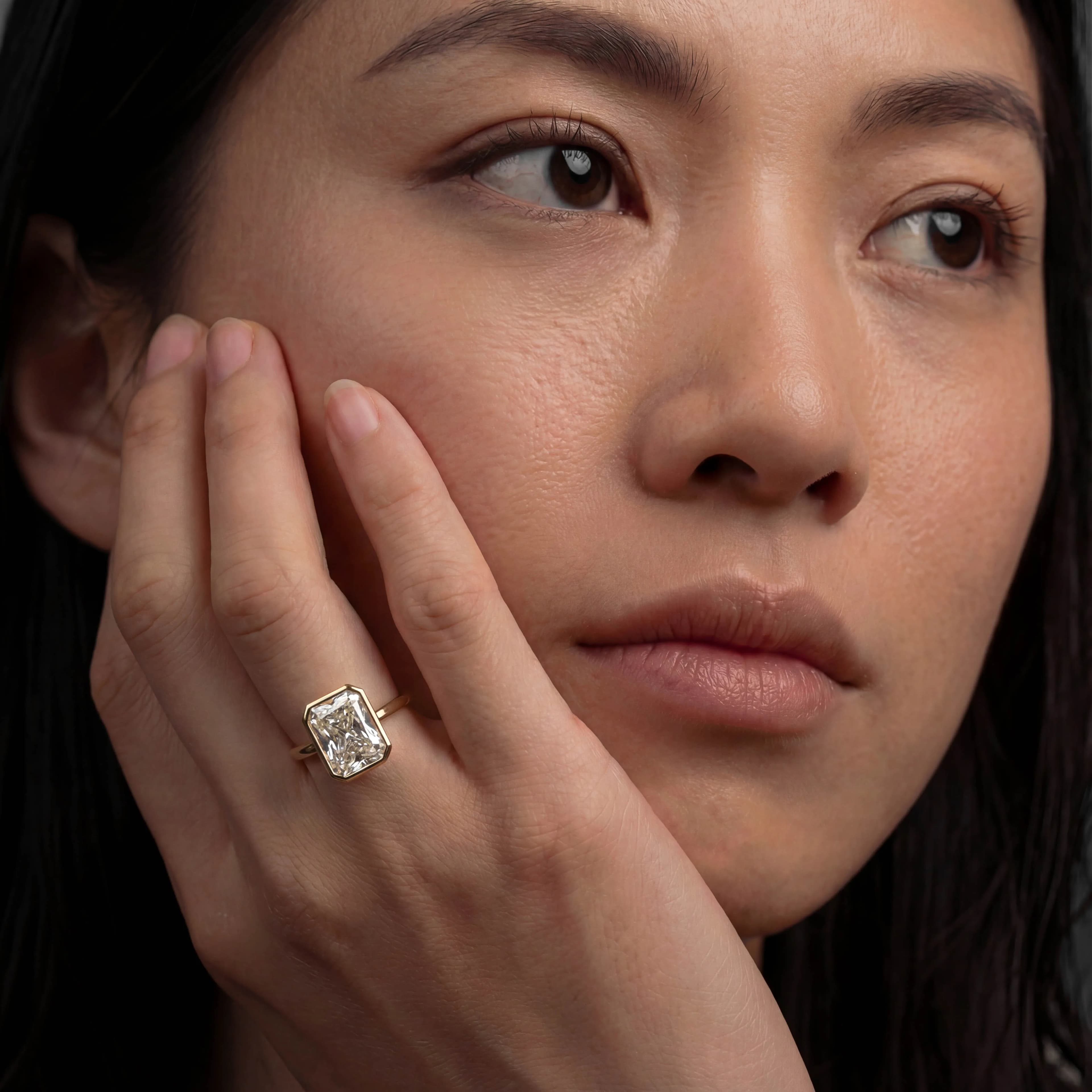
A real diamond, grown in a lab
Cut isn't the shape of the stone. It's the proportions — and getting it wrong means a diamond that looks completely dead on your finger.
Read ArticleNatural, lab, or moissanite? Here is what each stone actually is, how much it costs, and which one is right for you.
Read ArticleMoissanite actually outsparkles diamond on paper. But there's more to the story. Here's an honest breakdown of moissanite vs diamond and who each one is right for.
Read ArticleWe can help you choose between lab diamonds and moissanite. Talk through the differences. Find what works for your needs and budget.