Moissanite vs Diamond

By Jared James · Last updated 21 May 2026
Quick answer
Diamond and moissanite can both look beautiful in an engagement ring, but they are not the same stone. Diamond is carbon and carries the traditional diamond look, while moissanite is silicon carbide, usually costs less for the same face-up size and throws more rainbow fire. Choose diamond if having a real diamond matters most to you, and moissanite if size, sparkle and budget carry more weight.
Moissanite vs diamond side by side
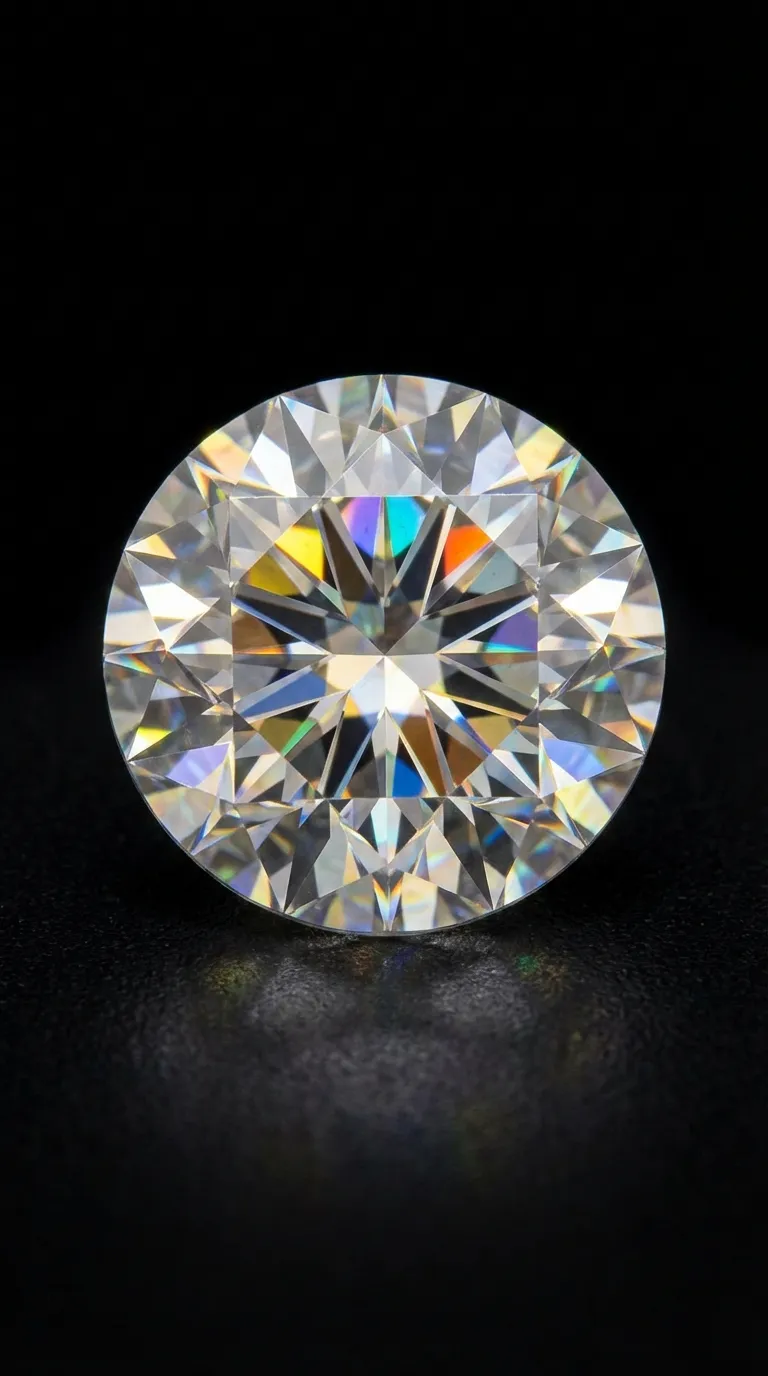
| Factor | Diamond | Moissanite |
|---|---|---|
| Material | Carbon in a diamond crystal structure. | Silicon carbide, a different gemstone material. |
| Hardness | 10 on the Mohs scale. | 9.25 on the Mohs scale. |
| Sparkle | White brilliance with fire, depending strongly on cut quality. | More rainbow fire and a more noticeable disco sparkle in some lighting. |
| Colour | Graded from D to Z for white diamonds. | Often sold in colourless or near-colourless ranges, with tone varying by stone. |
| Grading | Usually compared through diamond grading reports and the 4Cs. | Often compared by millimetre size, colour range, clarity description and cut. |
| Price | Usually higher, especially for natural diamonds and larger carat weights. | Usually lower for the same face-up size. |
| Best fit | Buyers who want diamond identity, traditional brilliance and diamond grading. | Buyers who want strong sparkle, durability and a larger look for the spend. |
Is moissanite a diamond?
Diamond is carbon arranged in a diamond crystal structure, and that holds for both natural and lab-grown diamonds. Moissanite is silicon carbide, which makes it a diamond alternative rather than a diamond.
That distinction matters if the word diamond carries meaning for you. If you want a real diamond without the mining, lab-grown diamonds are worth comparing, and if you would rather have a durable stone with a larger look for less spend, moissanite may be the better fit.
For the diamond side of the question, read the lab-grown diamond guide.
Moissanite vs diamond sparkle
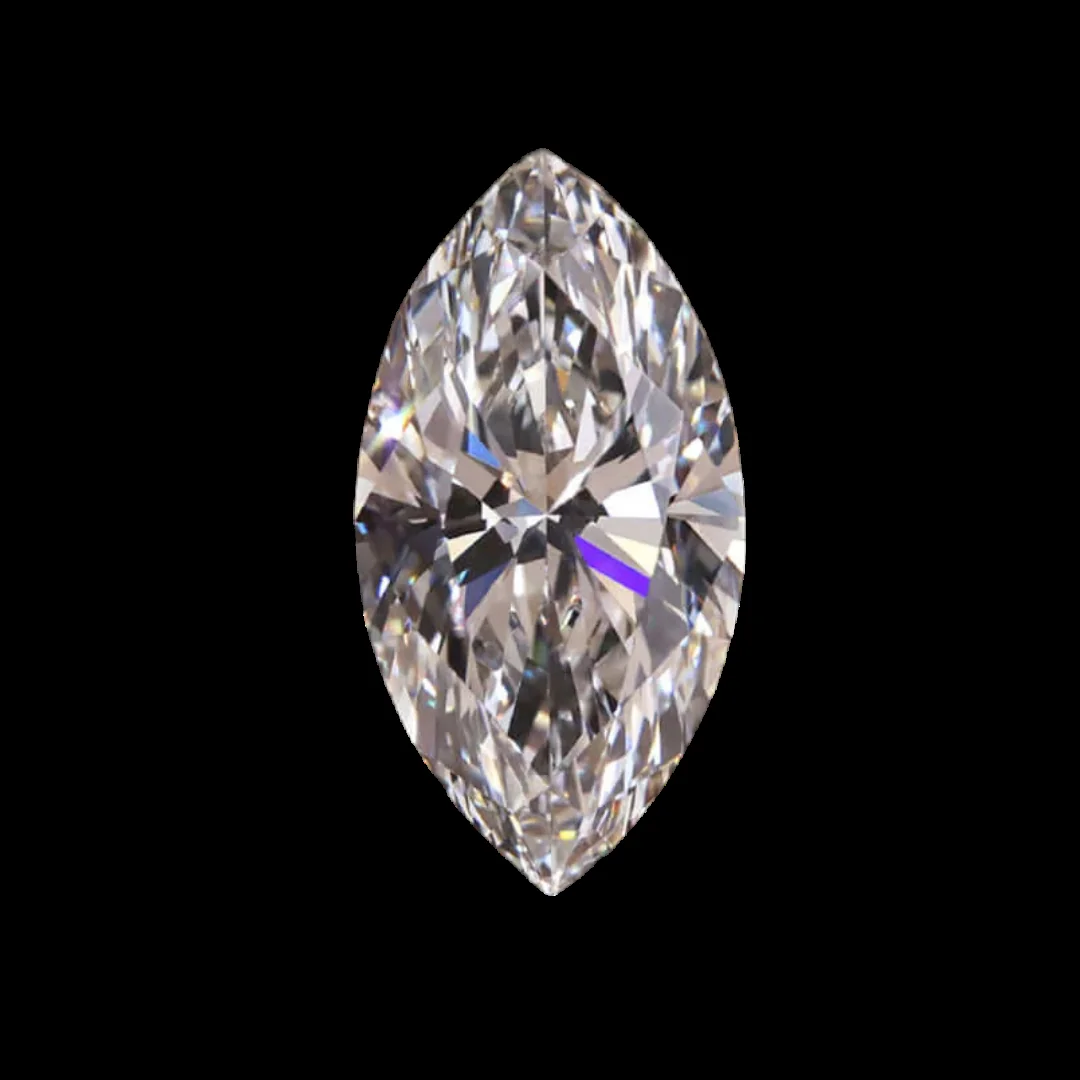
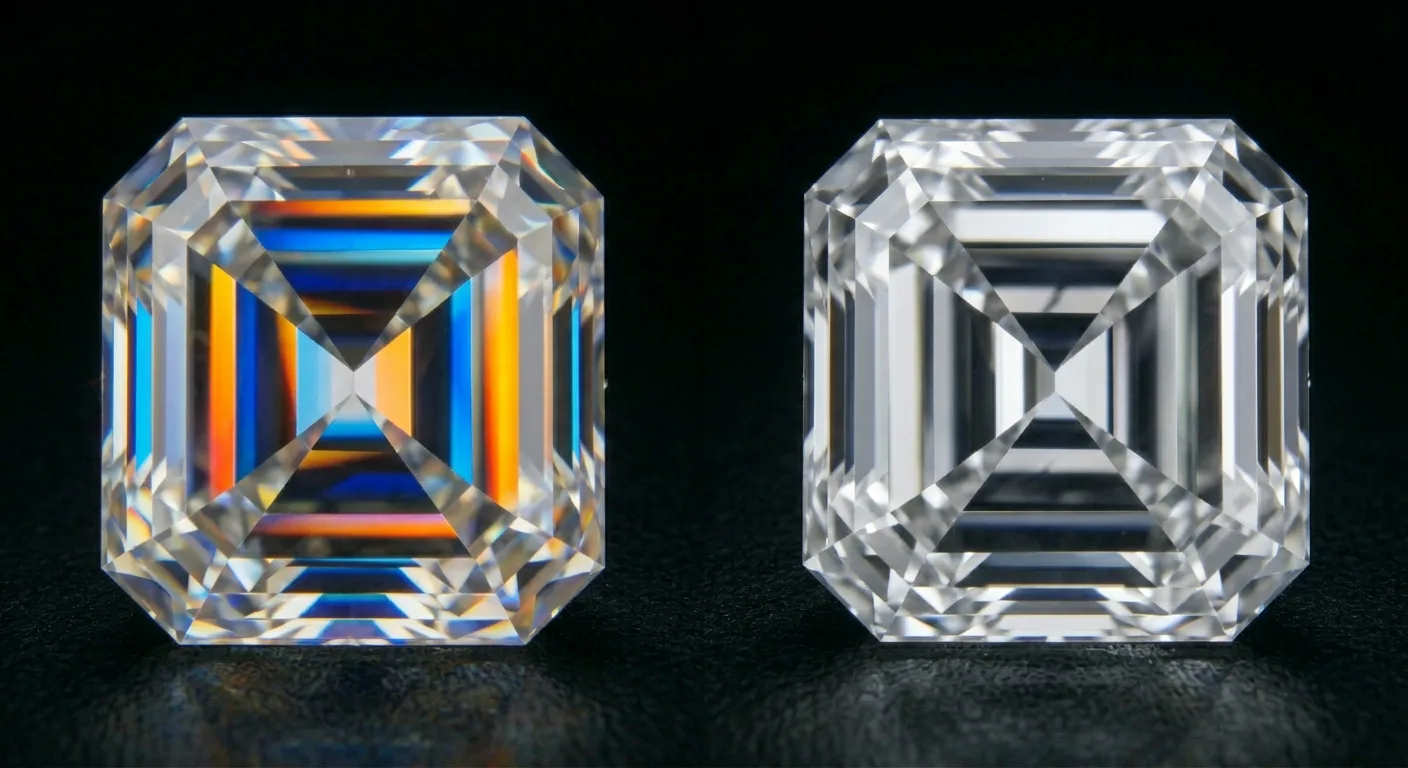
Moissanite has a different optical personality to diamond. It tends to throw more rainbow flashes, especially in direct light, and that is something some buyers love while others find it reads as less diamond-like.
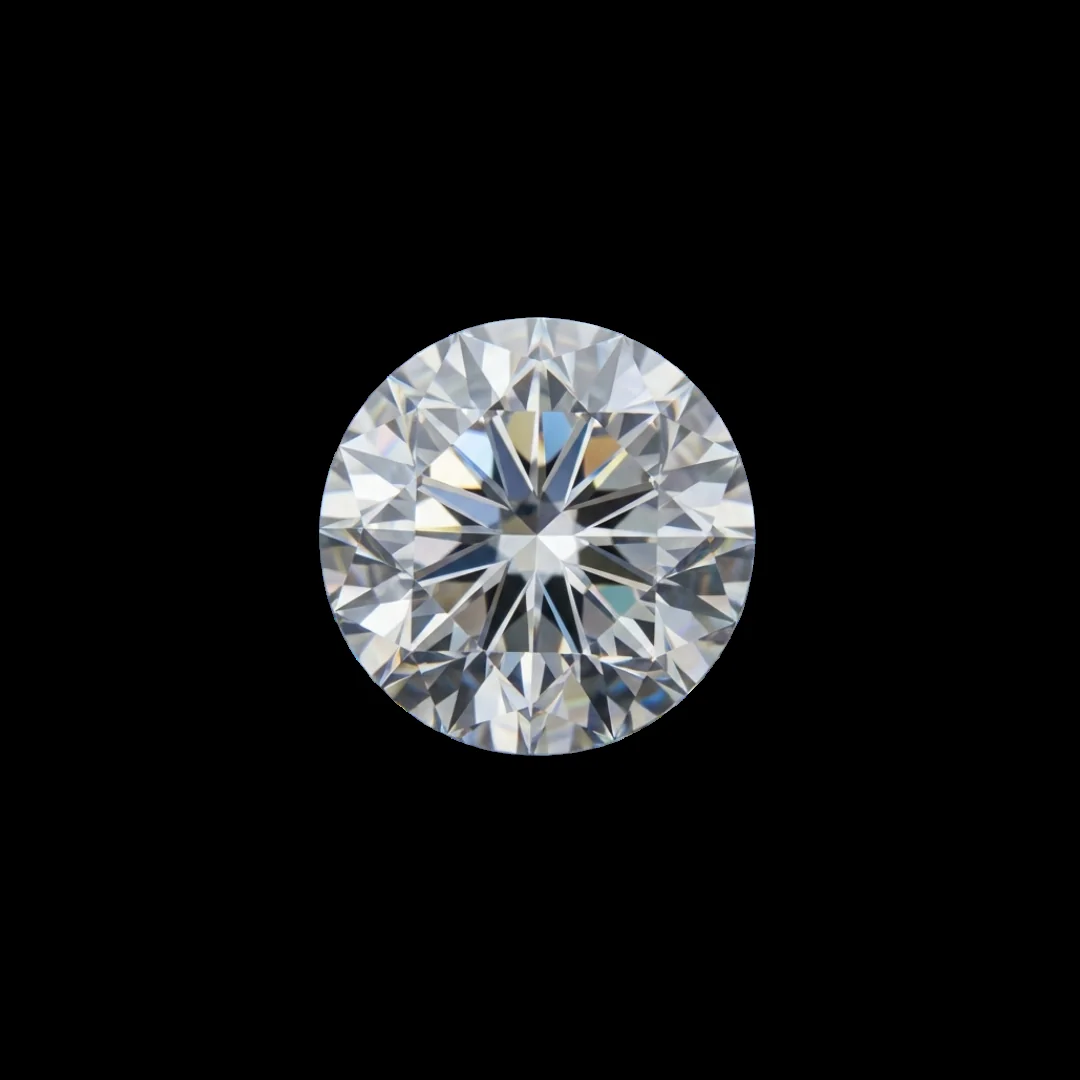
Diamond sparkle leans heavily on cut quality. A well-cut diamond gives you a balance of white brightness, fire and scintillation, while a poorly cut one can look dull even when the stone has strong colour and clarity grades.
Colour is judged differently too. White diamonds use the D to Z scale, while moissanite is usually sold in colourless or near-colourless ranges, so it is always worth comparing the exact stone or ring images rather than leaning on the label alone.
Moissanite vs diamond hardness
Diamond sits at 10 on the Mohs hardness scale and moissanite at 9.25, so both are hard enough for an engagement ring, as long as the setting is made well and the stone is protected wherever its shape needs it.
Hardness is only part of the durability story, though. Pointed shapes still need secure claws or bezels, fine bands still need looking after, and any ring worn every day is worth checking if it starts to catch, rattle or feel loose.
Moissanite vs diamond price
Moissanite usually costs less than diamond at the same face-up size, and that can put a larger centre stone within reach without pushing the ring into a higher budget.
Lab-grown diamonds usually cost less than natural diamonds but more than moissanite, so for a lot of buyers they sit comfortably between the two, a real diamond with more budget room than a natural one.
Is moissanite better than diamond?
Choose diamond if
- You want the stone to be diamond, not a diamond alternative.
- You prefer the traditional diamond sparkle pattern.
- You want grading reports based on the diamond 4Cs.
- You are comparing lab-grown or natural diamond options already.
Choose moissanite if
- You want a larger-looking centre stone for the spend.
- You like bright rainbow fire and strong sparkle.
- You are comfortable with a diamond alternative.
- You want a durable stone for daily ring wear.
Ready to compare
Start with moissanite ring options
Browse moissanite engagement rings, then compare lab-grown diamond rings if you want the same design language in a real diamond.
View moissanite ringsFrequently asked questions
- Is moissanite a diamond?
- No. Moissanite is not diamond. It is silicon carbide, while diamond is carbon in a diamond crystal structure.
- Can people tell moissanite from diamond?
- Often, yes, especially in certain lighting. Moissanite tends to show more rainbow fire, while diamond has a more familiar diamond sparkle.
- Is moissanite durable enough for an engagement ring?
- Yes. Moissanite is 9.25 on the Mohs scale, so it is durable enough for daily ring wear when set securely.
- Which is better, moissanite or lab-grown diamond?
- Choose lab-grown diamond if having a real diamond matters most. Choose moissanite if you prefer the lower price, larger face-up size and extra rainbow fire.
- Does moissanite get cloudy over time?
- No. Moissanite does not become cloudy because of the material. Like diamond, it can look dull when soap, lotion or oil builds up and needs regular cleaning.
Still comparing
Ask us to compare stones in a setting
Send the ring style, stone size or shortlist you are considering and we will explain the trade-offs in plain language.
Contact the studio