Moissanite vs Lab-Grown Diamond: Which Is Better?

By Jared James · Last updated 17 September 2026
Quick answer
Moissanite and lab-grown diamond are the two stones most modern engagement ring buyers actually choose between, and they are not the same stone. Lab-grown diamond is carbon, identical to mined diamond, with the traditional diamond look and grading reports. Moissanite is silicon carbide, costs roughly a third as much at the same face-up size and throws more rainbow fire. Choose lab-grown if having a real diamond matters most to you, and moissanite if size, sparkle and budget carry more weight.
Moissanite vs lab-grown diamond side by side
| Factor | Lab-grown diamond | Moissanite |
|---|---|---|
| Material | Carbon in a diamond crystal structure, identical to mined diamond. | Silicon carbide, a different gemstone material. |
| Hardness | 10 on the Mohs scale. | 9.25 on the Mohs scale. |
| Refractive index and fire | Refractive index 2.42, with less dispersion (fire) than moissanite. | Refractive index 2.65 to 2.69 and dispersion of 0.104, measured by GIA. |
| Weight at the same size | Specific gravity 3.52. | Specific gravity 3.22, so about 9% lighter at the same size. |
| Sparkle | White brilliance with fire, depending strongly on cut quality. | More rainbow fire, most obvious in direct sun and downlights. |
| Colour and grading | Graded D to Z with 4Cs reports, usually IGI for lab-grown. | Sold in colourless or near-colourless ranges; compared by mm size and cut. |
| Diamond tester | Reads as diamond on thermal and dual testers. | Can pass an older thermal-only tester; a dual tester flags most moissanite. |
| Price at 8mm face-up (checked 12 Jul 2026) | A certified 2ct oval lab-grown ring completes from about $3,900 in Australia. | The same face-up size completes from about $2,650 with us. |
| Long-term care | Sheds skin oils slowly; a clean every few weeks keeps full sparkle. | Attracts an oil film slightly faster; same cleaning routine, done a little more often. |
| Resale expectations | Modest; lab-grown prices have fallen, so buy for wearing, not investment. | Minimal; treat the ring as jewellery, not an asset. |
| Best fit | Buyers who want a real diamond with grading reports, without mined pricing. | Buyers who want strong sparkle, durability and a larger look for the spend. |
Is moissanite a diamond?
Diamond is carbon arranged in a diamond crystal structure, and that holds for both natural and lab-grown diamonds; a lab-grown diamond is chemically and optically the same stone as a mined one. Moissanite is silicon carbide, which makes it a diamond alternative rather than a diamond.
That distinction matters if the word diamond carries meaning for you. If you want a real diamond without mined pricing, lab-grown is the natural comparison, and if you would rather have a durable stone with a larger look for less spend, moissanite may be the better fit.
For the diamond side of the question, read the lab-grown diamond guide. If you are also weighing a mined diamond, the three-way overview lives in natural vs lab vs moissanite; this page stays focused on the two stones most buyers are actually choosing between.
Sparkle in daylight and indoors
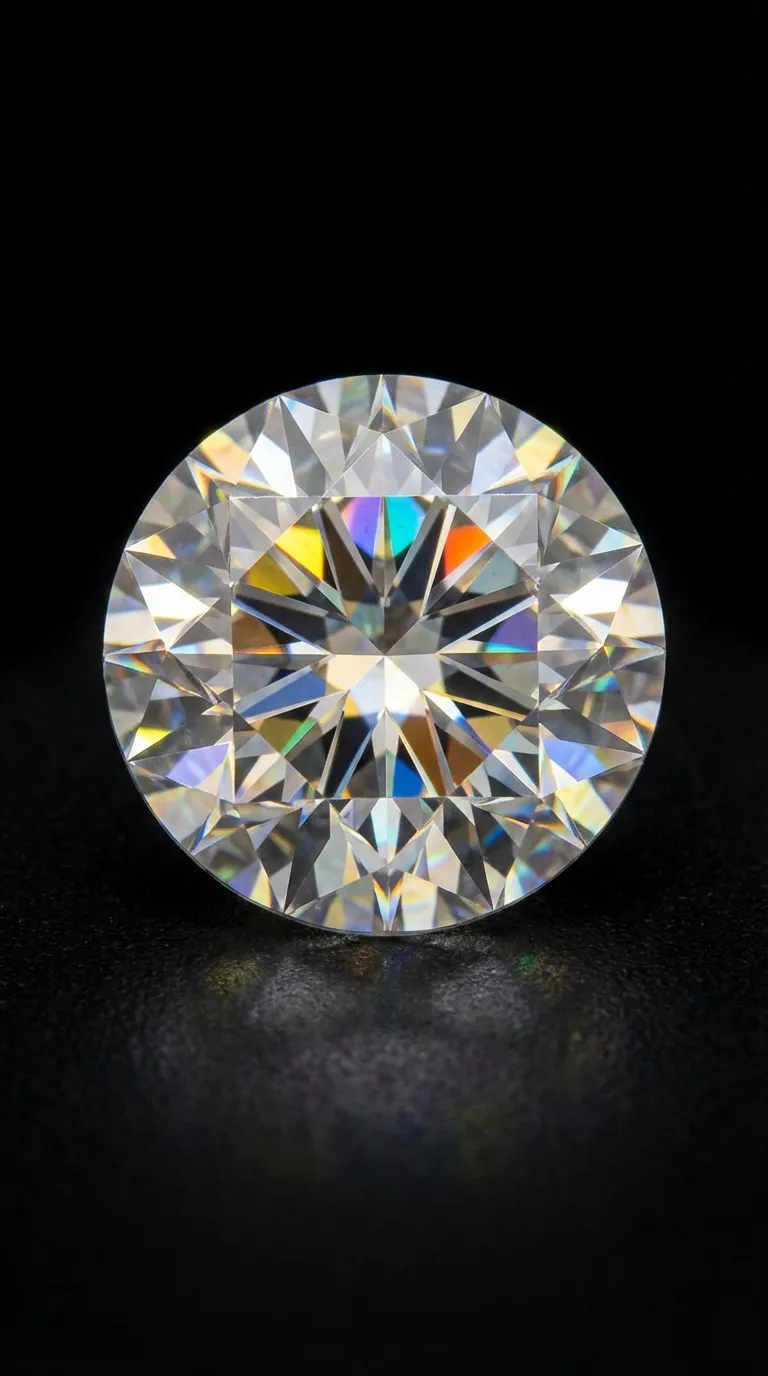
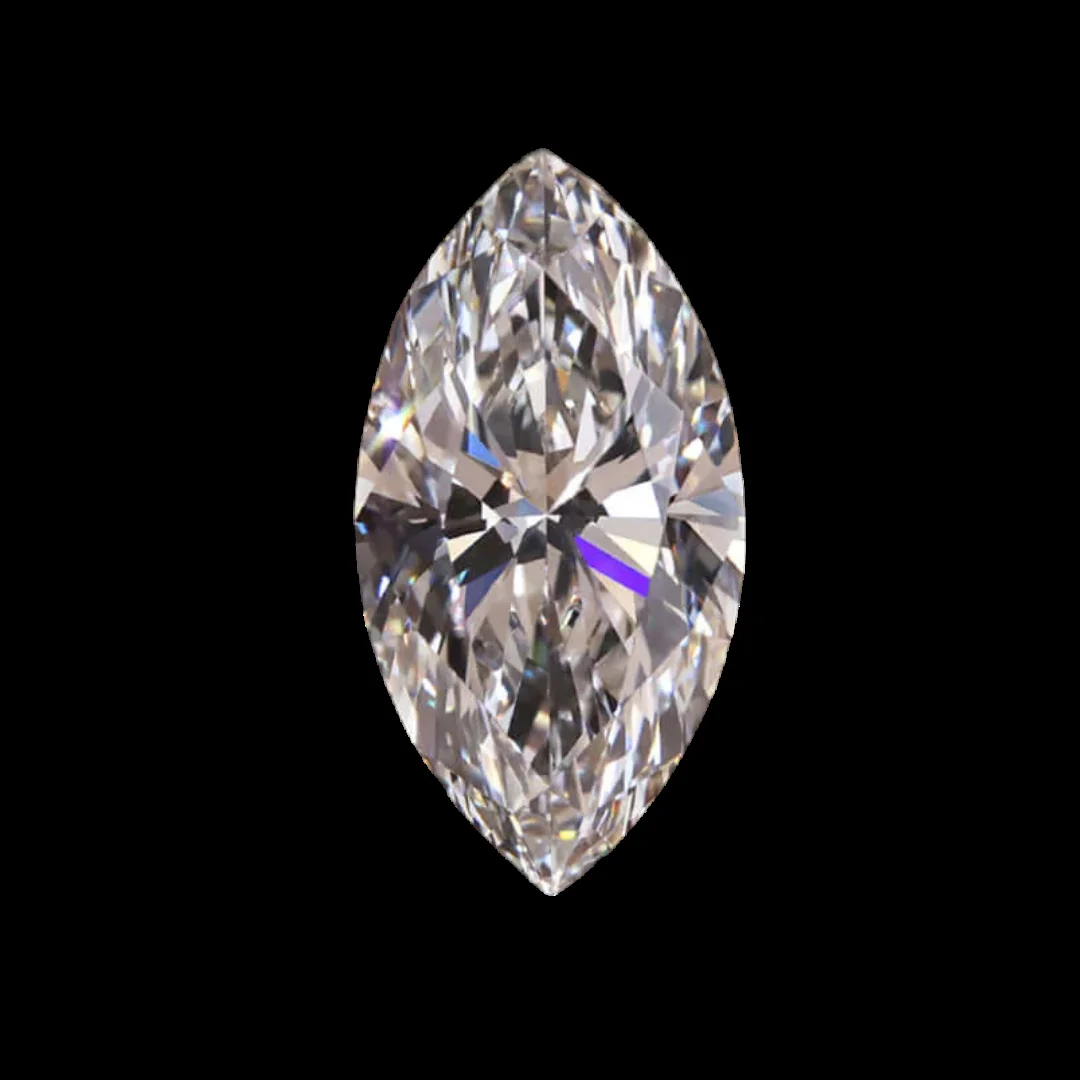
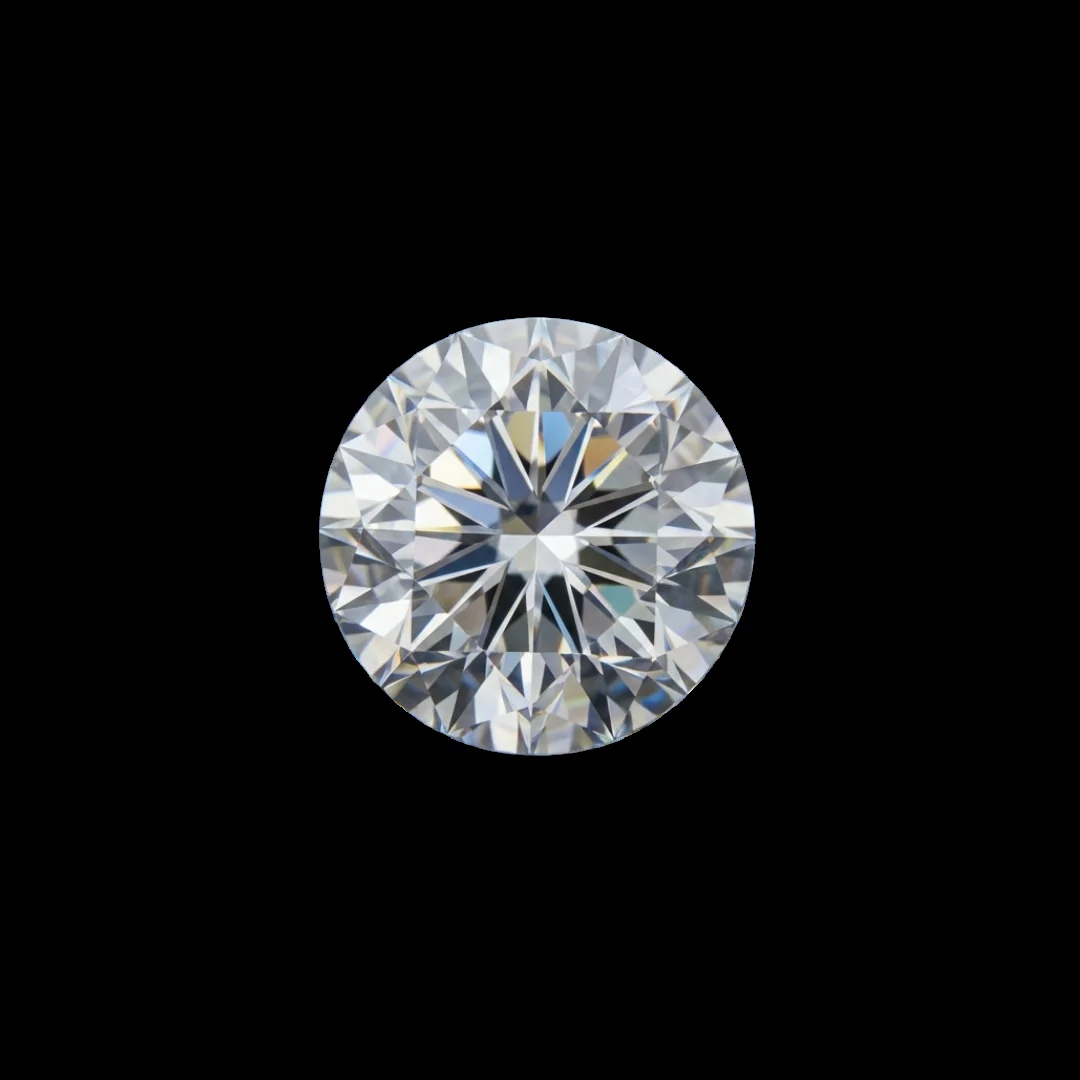
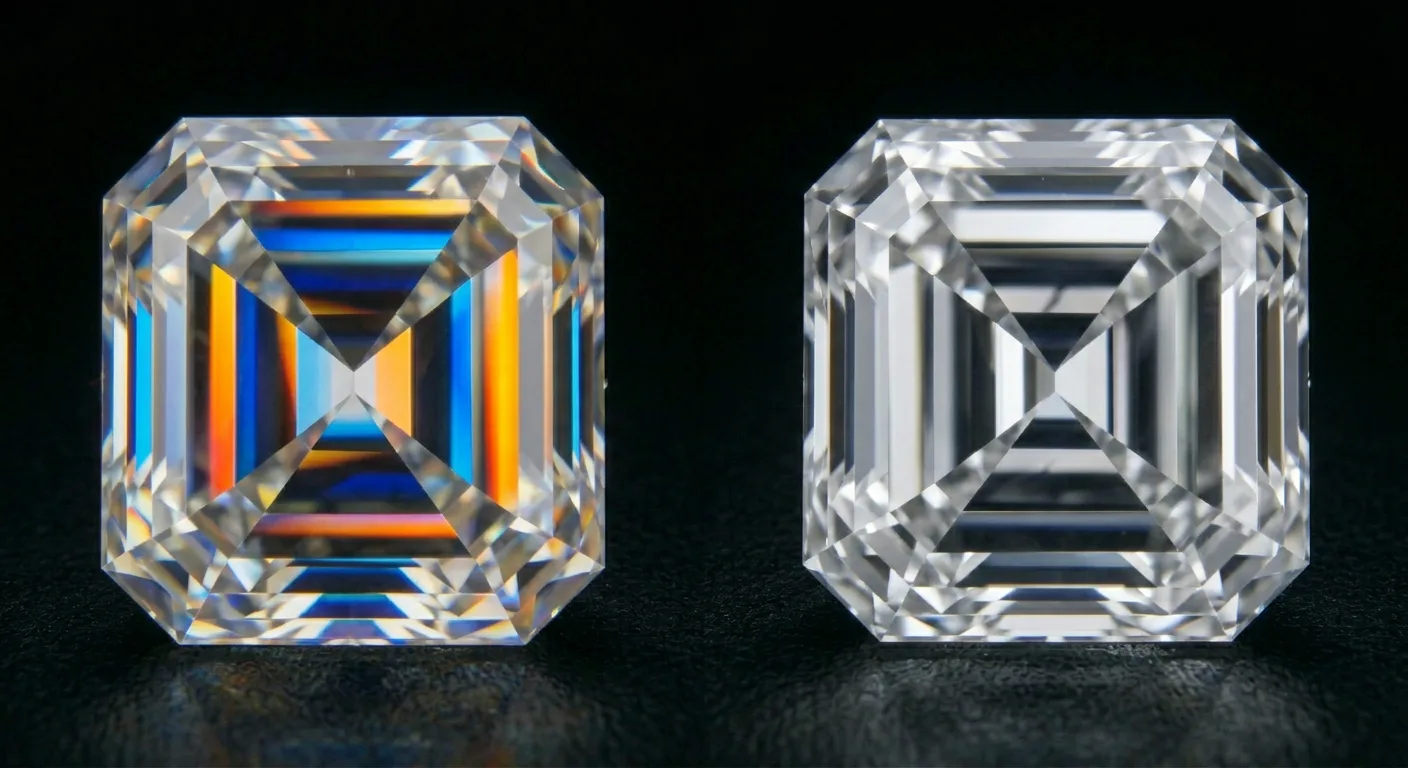
The two stones separate most clearly in direct sun and under point-source indoor lighting like downlights and restaurant spots. There, moissanite throws distinctly rainbow flashes, the disco-ball effect, which some buyers love and others find reads as less diamond-like. A lab-grown diamond in the same light returns more white brightness with occasional coloured fire.
In soft, diffuse light, an office, an overcast day, a lounge room in the evening, the gap narrows a lot; both stones read as bright white and most people cannot pick one from the other across a table. Diamond sparkle also leans heavily on cut quality: a well-cut lab-grown diamond balances brightness, fire and scintillation, while a poorly cut one looks dull whatever its grades say.
Colour is judged differently too. Lab-grown diamonds use the D to Z scale, while moissanite is usually sold in colourless or near-colourless ranges, so compare the exact stone or ring images rather than leaning on the label alone.
Does moissanite pass a diamond tester?
Sometimes, and it depends entirely on the tester. Older handheld testers measure thermal conductivity, and moissanite conducts heat well enough to read as diamond on many of them. Dual testers add an electrical conductivity check that flags most moissanite, because moissanite conducts electricity in a way diamond does not.
Neither result changes what the stone is: a lab-grown diamond reads as diamond on every tester because it is diamond, and professional identification is the final word for any stone without papers. The full breakdown, including false readings and why scratch tests are a terrible idea, is in does moissanite pass a diamond tester.
Hardness and long-term care
Diamond sits at 10 on the Mohs hardness scale and moissanite at 9.25, so both are hard enough for daily engagement ring wear, as long as the setting is made well and the stone is protected wherever its shape needs it.
GIA's study of synthetic moissanite measured its refractive index at 2.648 and 2.691 and its dispersion at 0.104, against a refractive index of 2.42 for diamond, which is why moissanite throws more rainbow fire. Its specific gravity of 3.22, against 3.52 for diamond, makes a moissanite about 9% lighter than a diamond of the same size.
Day to day, the practical difference is cleaning rather than scratching. Moissanite picks up a film from skin oils, sunscreen and hand cream slightly faster than diamond does, which reads as dulled sparkle rather than damage; a soft brush with warm soapy water restores either stone completely. Neither stone clouds or degrades with age, and any ring worn every day is worth checking if it starts to catch, rattle or feel loose.
Price at the same face-up size
Compare by millimetres, not carats, because moissanite is lighter than diamond and carat labels mislead across the two materials. At about 8mm face-up (a 2ct round in diamond terms), a complete moissanite engagement ring runs about $2,650 to $3,300 with us depending on metal and setting, while a complete ring with a certified 2ct lab-grown diamond starts around $3,900 in Australia. Prices checked 12 July 2026 and subject to live availability.
Both sit far below mined diamonds, which run five figures at this size. Neither moissanite nor lab-grown diamond should be bought as a financial asset: lab-grown prices have fallen for years as growing improved, and moissanite has effectively no resale market. Buy the stone you want to wear, and the full specification-controlled price breakdown lives in the 2 carat price guide.
Which is better for you?
Choose lab-grown diamond if
- You want the stone to be diamond, not a diamond alternative.
- You prefer the traditional diamond sparkle pattern.
- You want IGI grading reports based on the diamond 4Cs.
- You want the stone to read as diamond on any tester, anywhere.
Choose moissanite if
- You want a larger-looking centre stone for the spend.
- You like bright rainbow fire and strong sparkle.
- You are comfortable with a diamond alternative.
- You want a durable stone for daily ring wear.
Will I Regret Choosing Moissanite Instead of a Lab-Grown Diamond?
Regret usually comes from choosing for price before deciding whether the word diamond matters to you. Moissanite is durable and bright, but it remains a different gemstone with a stronger rainbow fire pattern. If you want a diamond and expect to keep explaining the choice to yourself, choose a lab-grown diamond. It gives you the material, grading language and light return you were picturing without mined-diamond pricing.
Choose moissanite when you genuinely prefer its sparkle, want more face-up size within the budget and feel no attachment to the stone being diamond. Compare both in daylight, soft indoor light and point-source lighting before ordering. A label or studio video cannot replace seeing which light pattern you want to look at every day.
Can People Tell Moissanite From a Lab-Grown Diamond?
Most people cannot identify either stone across a table. The clearest visual clue is moissanite's stronger rainbow fire in direct sunlight or under small bright lights. The effect becomes easier to notice as the stone gets larger, while smaller stones in soft indoor light can look very similar without a side-by-side comparison.
A jeweller can distinguish the stones with the right tester and magnification. That does not make moissanite fake, and it does not make it a diamond. For the separate appearance and social-stigma question, read does moissanite look fake.
Ready to compare
Start with moissanite ring options
Browse moissanite engagement rings, then compare lab-grown diamond rings if you want the same design language in a real diamond.
View moissanite ringsFrequently asked questions
- Is moissanite a diamond?
- No. Moissanite is not diamond. It is silicon carbide, while diamond, mined or lab-grown, is carbon in a diamond crystal structure.
- Can people tell moissanite from a lab-grown diamond?
- Sometimes, in direct sun or under downlights, where moissanite shows noticeably more rainbow fire. In soft, diffuse light most people cannot pick one from the other.
- Is moissanite durable enough for an engagement ring?
- Yes. Moissanite is 9.25 on the Mohs scale, so it is durable enough for daily ring wear when set securely.
- Which is better, moissanite or lab-grown diamond?
- Choose lab-grown diamond if having a real diamond with grading reports matters most. Choose moissanite if you prefer the lower price, larger face-up size and extra rainbow fire.
- How much cheaper is moissanite than a lab-grown diamond?
- At the same face-up size, a complete moissanite ring typically costs about half to two thirds of the equivalent lab-grown diamond ring. At roughly 8mm face-up, that was about $2,650 to $3,300 against about $3,900 in July 2026, and the gap widens as sizes grow.
- Does moissanite get cloudy over time?
- No. Moissanite does not become cloudy because of the material. Like diamond, it can look dull when soap, lotion or oil builds up and needs regular cleaning.
Still comparing
Ask us to compare stones in a setting
Send the ring style, stone size or shortlist you are considering and we will explain the trade-offs in plain language.
Contact the studio