Why Diamonds Get Dirty
Diamonds attract oil. The stone's surface holds onto skin oils, hand creams, and cosmetics. These substances create a film that blocks light from entering and exiting the diamond.
The space under your diamond traps debris. Dust and dirt settle between the stone and the setting. This accumulation can look dark through the diamond, reducing its sparkle.
Settings collect grime too. The metal bands and prongs gather soap scum, dead skin, and environmental dirt. This makes the entire ring look dull.
The Basic Cleaning Method
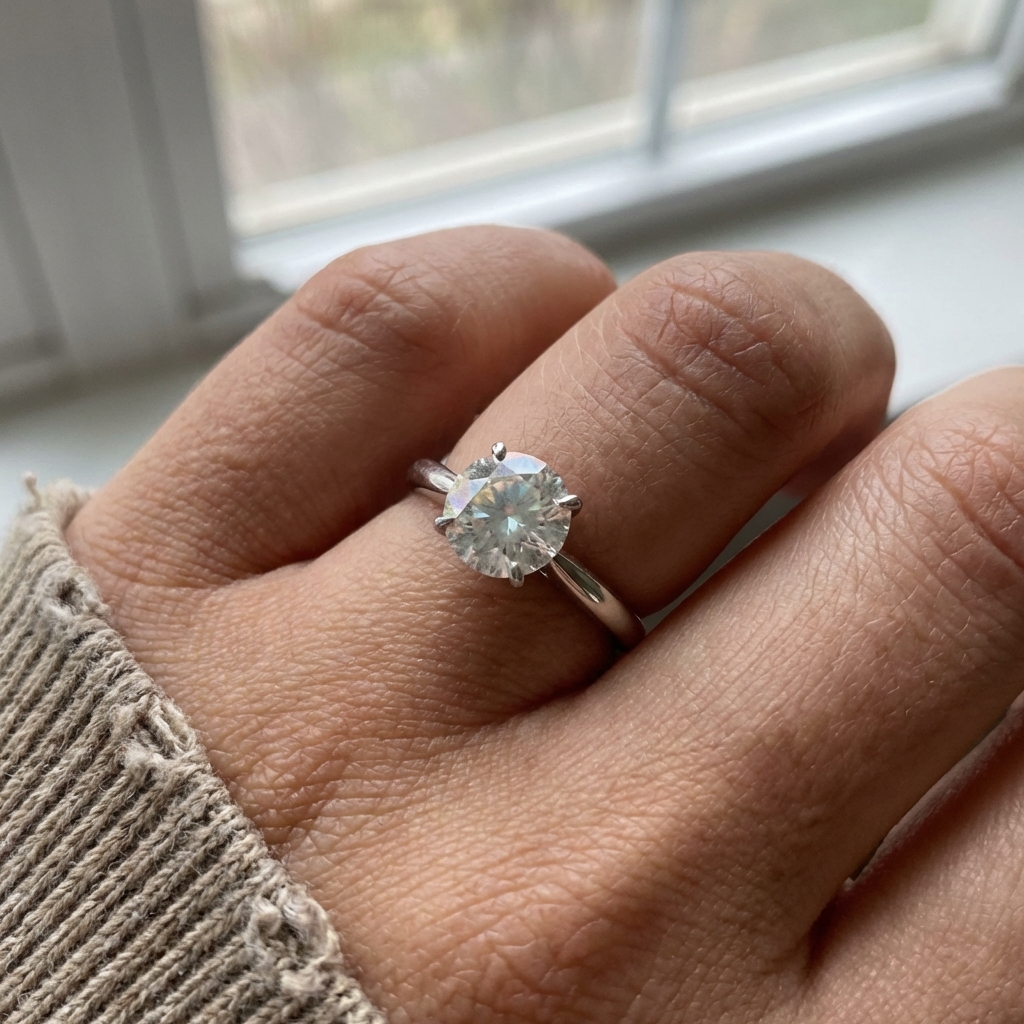
Warm water and dish soap clean most engagement rings safely. This method works for all diamond rings with secure settings.
Fill a small bowl with warm water. Add three drops of mild dish soap. Avoid moisturizing soaps as they leave residue.
Place your ring in the solution. Let it soak for 20 to 30 minutes. This loosens the oil and dirt.
Take a soft-bristled toothbrush. Baby toothbrushes work well because the bristles are gentler. Brush the diamond from all angles, especially underneath where dirt hides. Brush around the prongs and along the band.
Rinse under warm running water. Make sure the drain is closed or use a strainer. Pat dry with a lint-free cloth.
How Often to Clean Your Ring
Clean your ring at home every two weeks if you wear it daily. Monthly cleaning works if you remove your ring frequently.
Professional cleaning should happen once or twice per year. Jewelers use steam cleaners and can inspect your setting for loose stones or bent prongs.
Daily maintenance helps between cleanings. Wipe your ring with a jewelry polishing cloth each night. This removes the day's oils and keeps buildup from forming.
What Never to Use
Bleach damages metal settings. It can weaken white gold and cause discoloration. Even brief contact can harm your ring.
Chlorine works the same way. Remove your ring before swimming in pools or using household cleaners containing chlorine.
Toothpaste seems harmless but contains abrasives. These tiny particles can scratch softer metals like gold. They can also scratch certain diamond treatments if your stone has been clarity enhanced.
Baking soda is too harsh. The granules scratch metal finishes.
Acetone and harsh chemicals can damage certain settings or dissolve adhesives used in some ring designs.
Ultrasonic Cleaners Aren't Always Safe
Ultrasonic cleaners use high-frequency sound waves to shake loose dirt. They work effectively but come with risks.
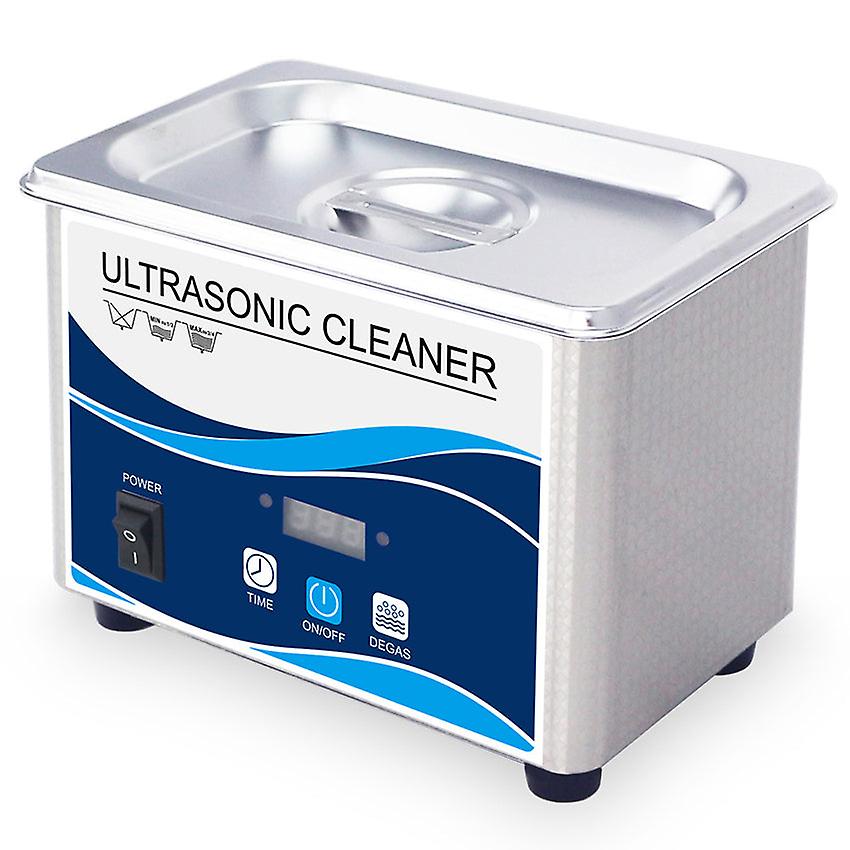
The vibration can loosen stones from their settings. This is especially true for older rings or delicate vintage settings. Prongs that are already slightly worn can weaken further.
Some diamonds have internal stress points called feathers. Strong vibrations can expand these, potentially damaging the stone.
Use ultrasonic cleaners only if your jeweler confirms your specific ring can handle them. Even then, limit use to once or twice per year.
When Your Ring Needs More Than Cleaning
If your diamond still looks cloudy after cleaning, the stone might need professional attention. Some diamonds develop a film that requires steam cleaning or professional solutions.
Check your prongs regularly. If any look bent, worn thin, or if you can move your diamond slightly with your fingernail, take the ring to a jeweler immediately.
Inspect the band for cracks or thin spots, especially where you resize the ring. These are signs of metal fatigue.
Special Considerations
Rings with pave or channel-set diamonds need gentler cleaning. The multiple small stones can collect more dirt but are also more delicate. Use a softer touch when brushing.
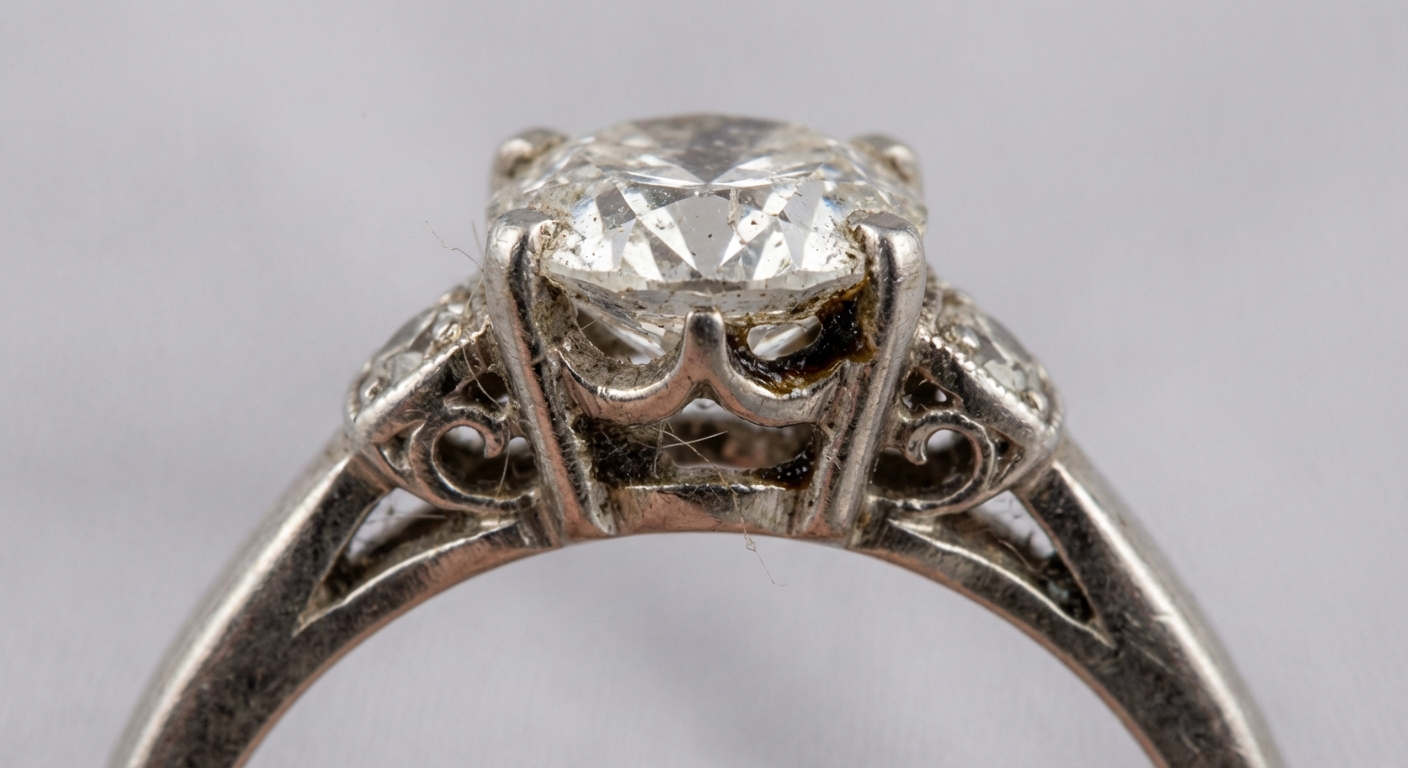
Vintage and antique rings may have fragile settings. Clean these less frequently and with extra care. Consider professional cleaning only.
Certain gemstones require different care. If your engagement ring includes sapphires, emeralds, or other stones alongside your diamond, verify the cleaning method won't harm them. Emeralds are particularly sensitive to ultrasonic cleaners.
The Simple Truth
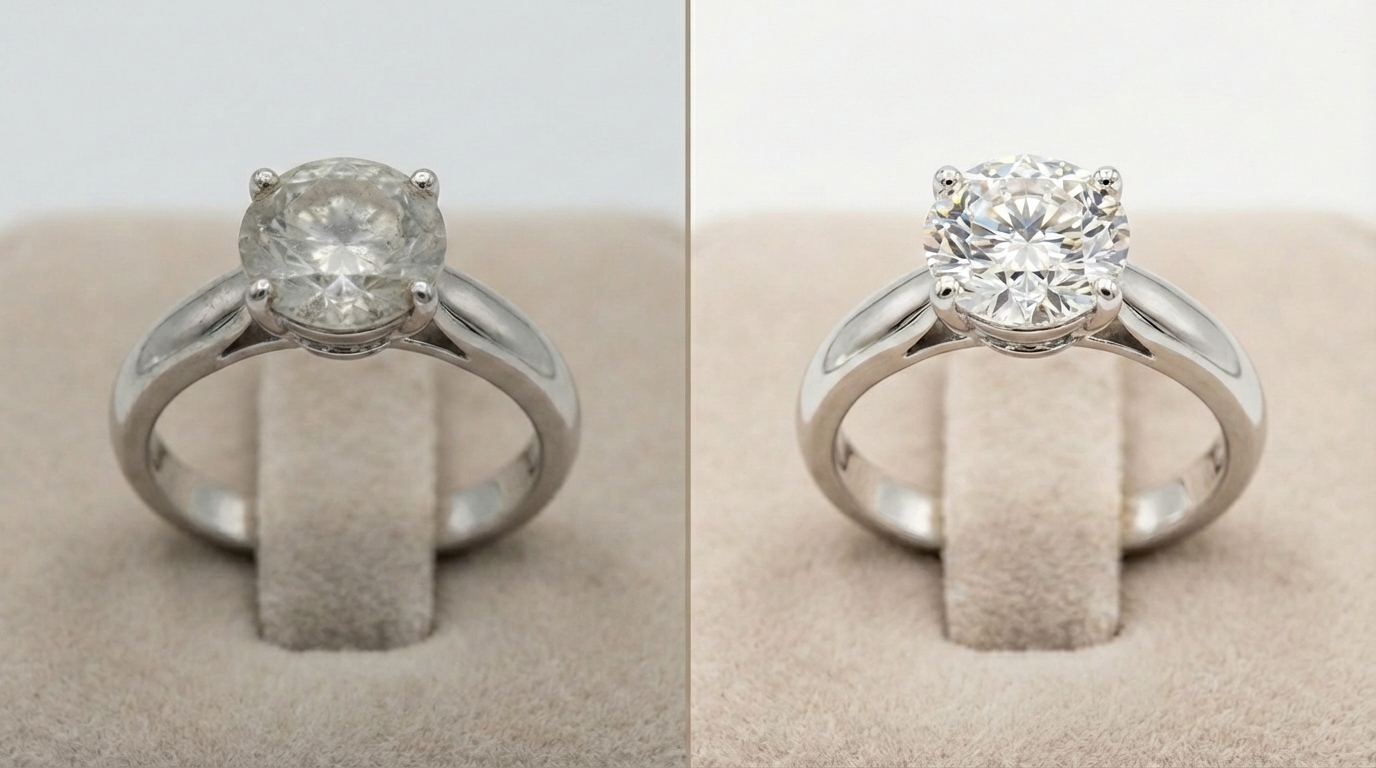
Regular cleaning with warm water and dish soap handles almost all ring maintenance. A soft brush, a few minutes of time, and consistent routine keep your diamond brilliant.
Professional inspection catches problems before stones fall out or settings break. Combine home cleaning with annual professional care.
Your ring will sparkle like new for decades with this basic maintenance.
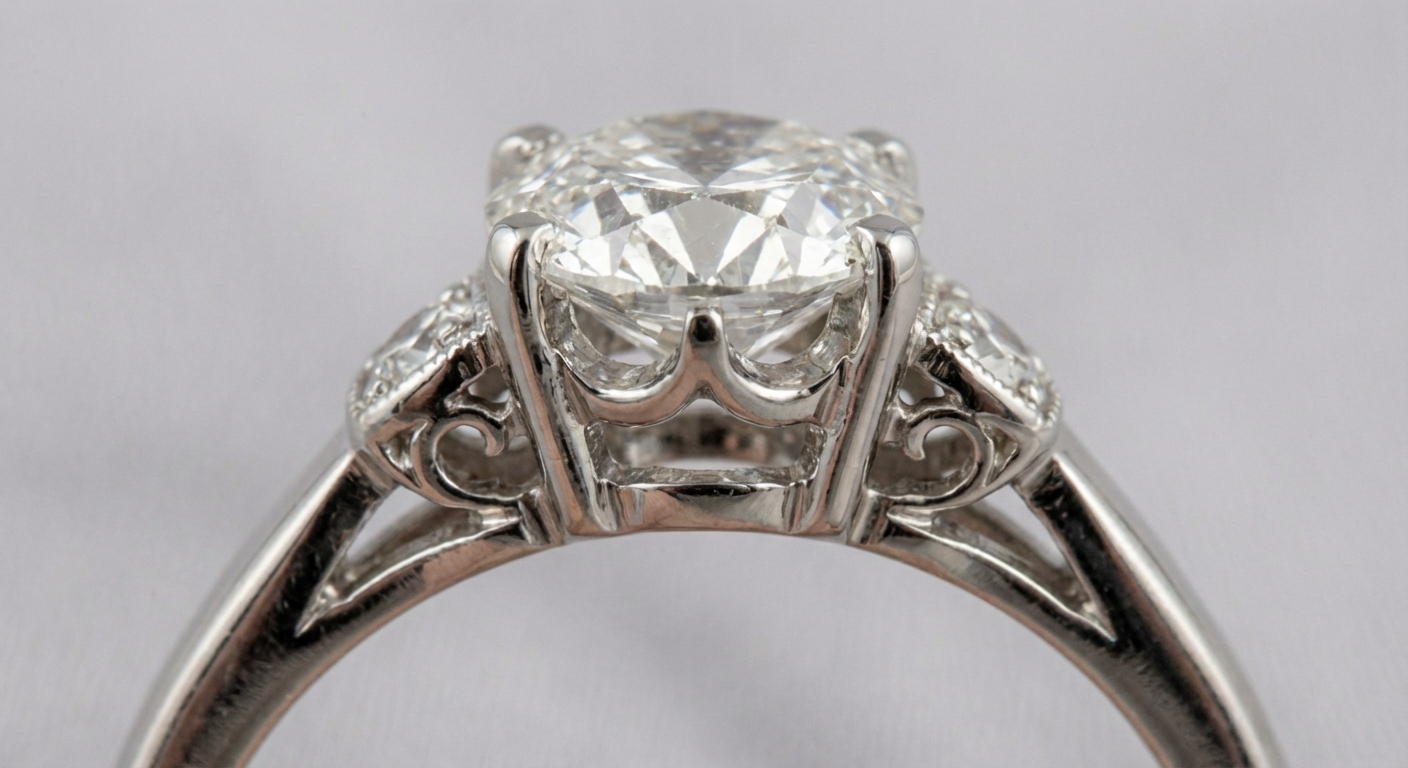
View our collection of beautifully crafted lab-grown diamond engagement rings
Thanks for reading
Jared & Brie