
What is a step cut gemstone?
Last updated 17 October 2026
A step cut uses rows of elongated facets arranged around the table and pavilion. Emerald and Asscher cuts are familiar examples. Their broad reflections create a different pattern from brilliant cuts, often described as a hall of mirrors. Cutting style does not set clarity grade, although an open facet pattern may make some inclusions easier to notice.
Emerald
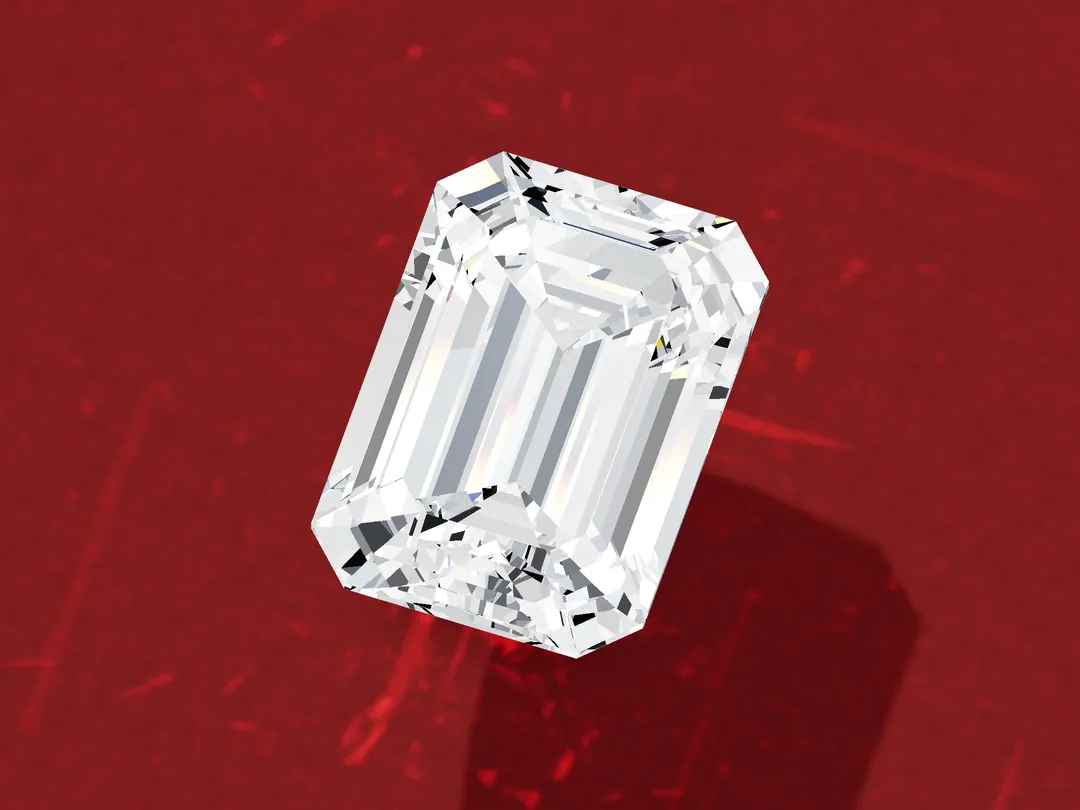
Rectangular, with trimmed corners.
Asscher
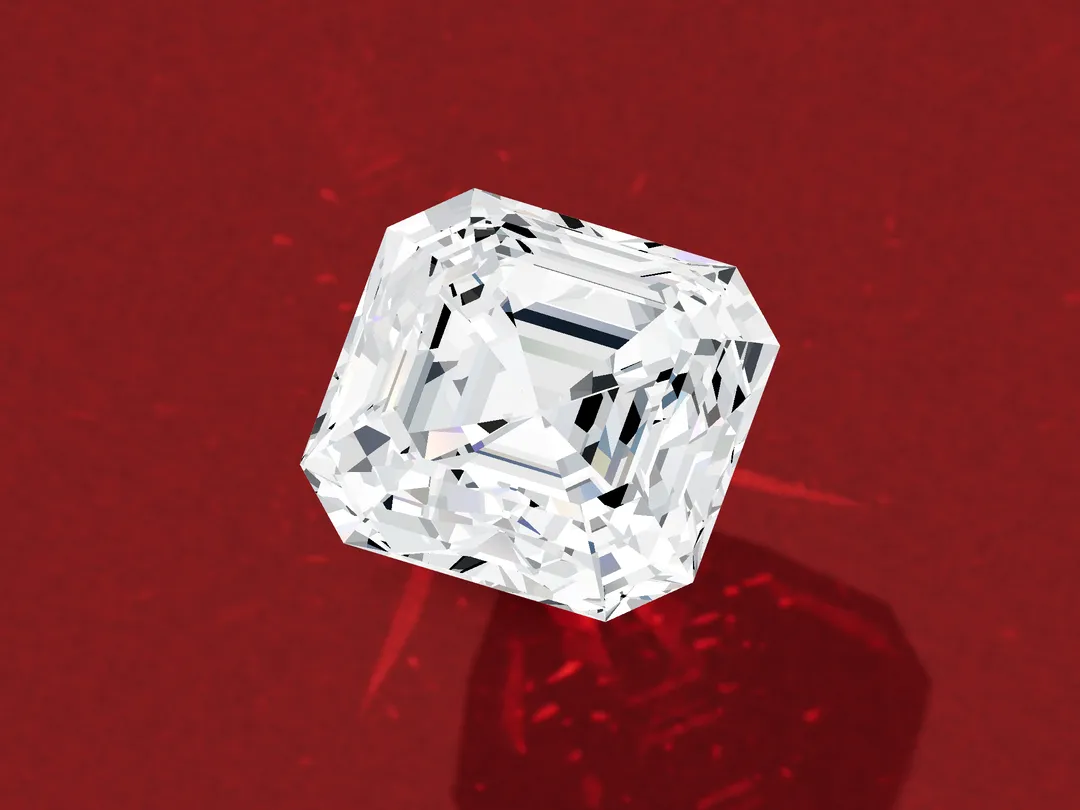
Square, with cropped corners.
Baguette
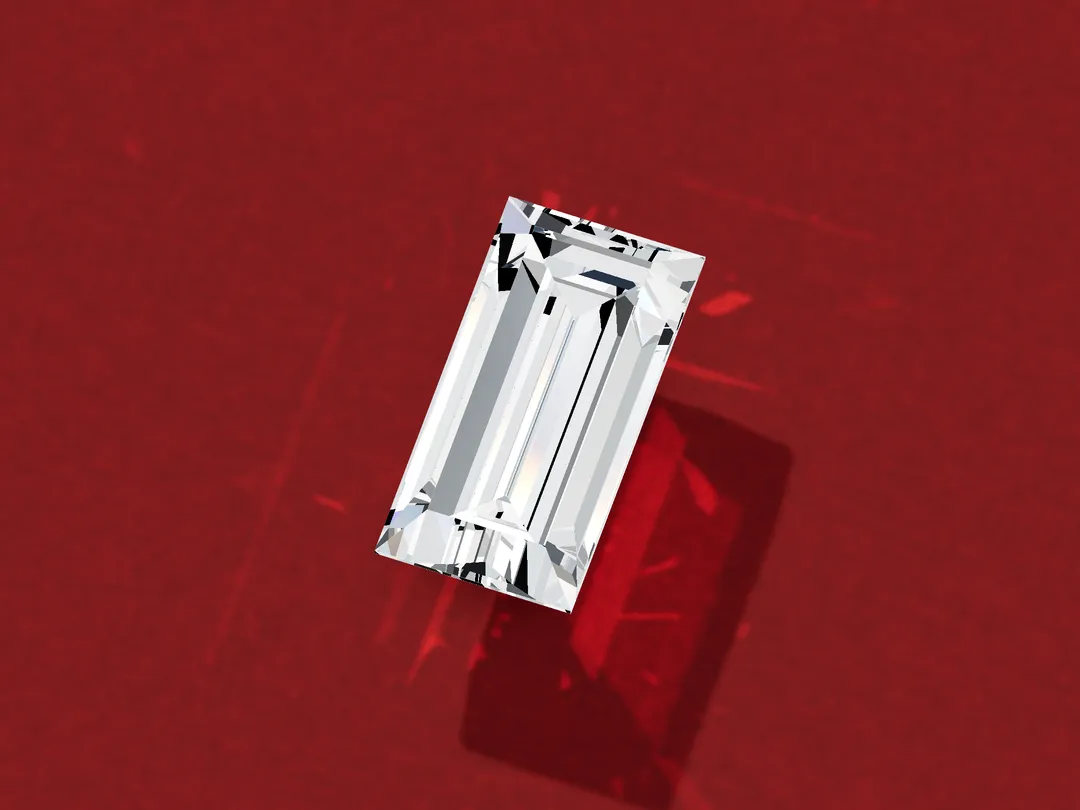
A narrow rectangle with square corners.
Frequently asked questions
- What is the difference between a step cut and a brilliant cut?
- A step cut uses rows of elongated facets and tends to show broad reflections. Brilliant-style facets are predominantly triangular and kite-shaped. Cutting style changes the pattern you see; it does not set the stone’s clarity grade.
- Which diamond cuts are step cuts?
- Emerald, Asscher and baguette cuts are familiar examples. Their outlines differ, but their elongated facets are arranged in a stepped pattern rather than the triangular and kite-shaped arrangement associated with brilliant cuts.
- Do step cuts need a particular clarity grade?
- There is no universal grade that guarantees the appearance you want. Inspect the individual stone face-up, paying attention to the position and visibility of inclusions rather than selecting on the grade alone.