
How to Clean a Diamond Engagement Ring at Home
Last updated 27 October 2026
Quick answer
Soak the ring for about 20 minutes in warm water with a few drops of mild dish soap, brush gently under the stone and around the claws with a soft toothbrush, rinse it in a bowl of clean water and pat it dry with a lint-free cloth. The same method suits diamond, lab-grown diamond and moissanite in gold or platinum. Skip toothpaste, baking soda and bleach, leave ultrasonic and steam cleaning to a jeweller, and have the claws checked once a year.
How do you clean a diamond ring at home?
With warm water, a few drops of mild dish soap and a soft toothbrush. It takes about half an hour, most of it soaking, and it works for diamond, lab-grown diamond and moissanite in gold or platinum.
- Soak the ring for about 20 minutes in a small bowl of warm, not hot, water with a few drops of mild dish soap.
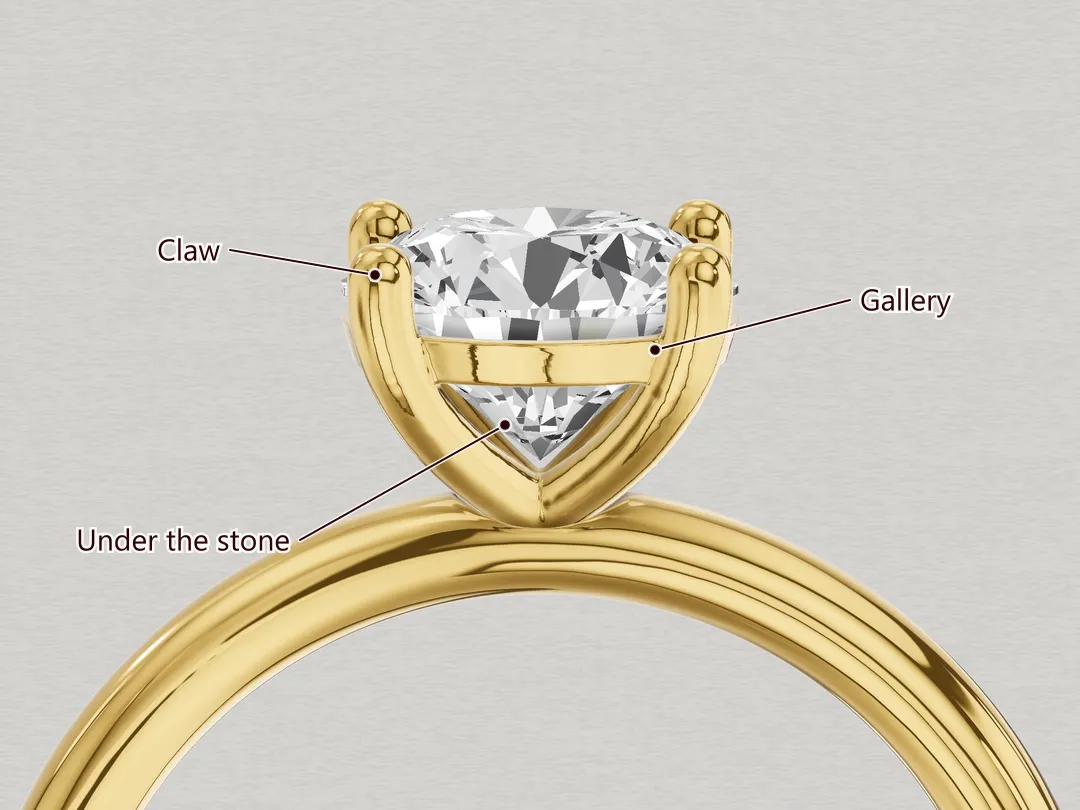
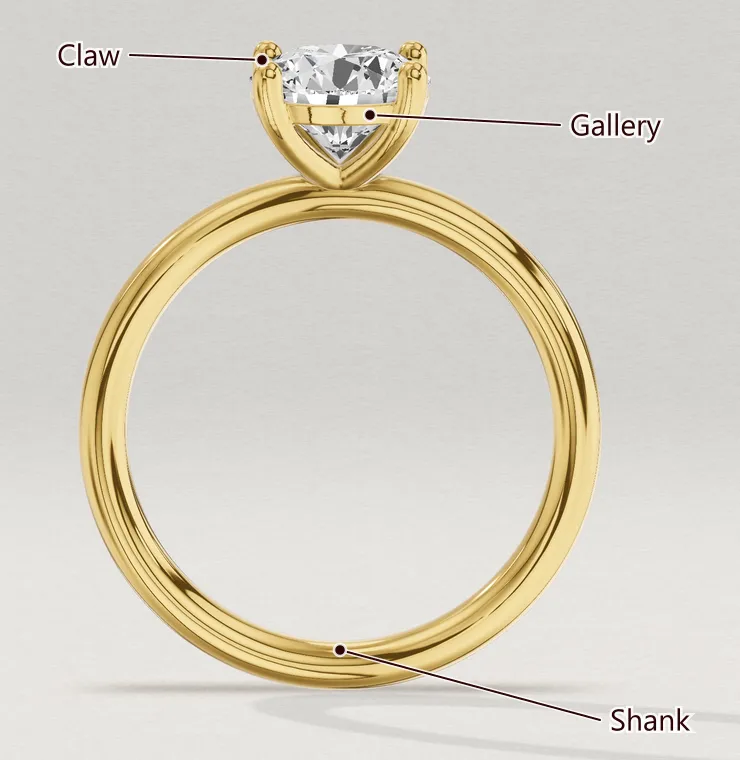
- Brush gently with a soft toothbrush kept for jewellery, mostly under the stone and around the claws, where lotion and skin oil collect. Don’t pull at the claws or force the bristles into tight gaps.
- Rinse the ring in a second bowl of clean warm water, not over the sink.
- Pat it dry with a soft, lint-free cloth.
- While it is clean, look at the claws. If a stone moves, or a claw is bent or catching on clothes, stop wearing the ring and have it checked.
What makes a diamond ring look cloudy?
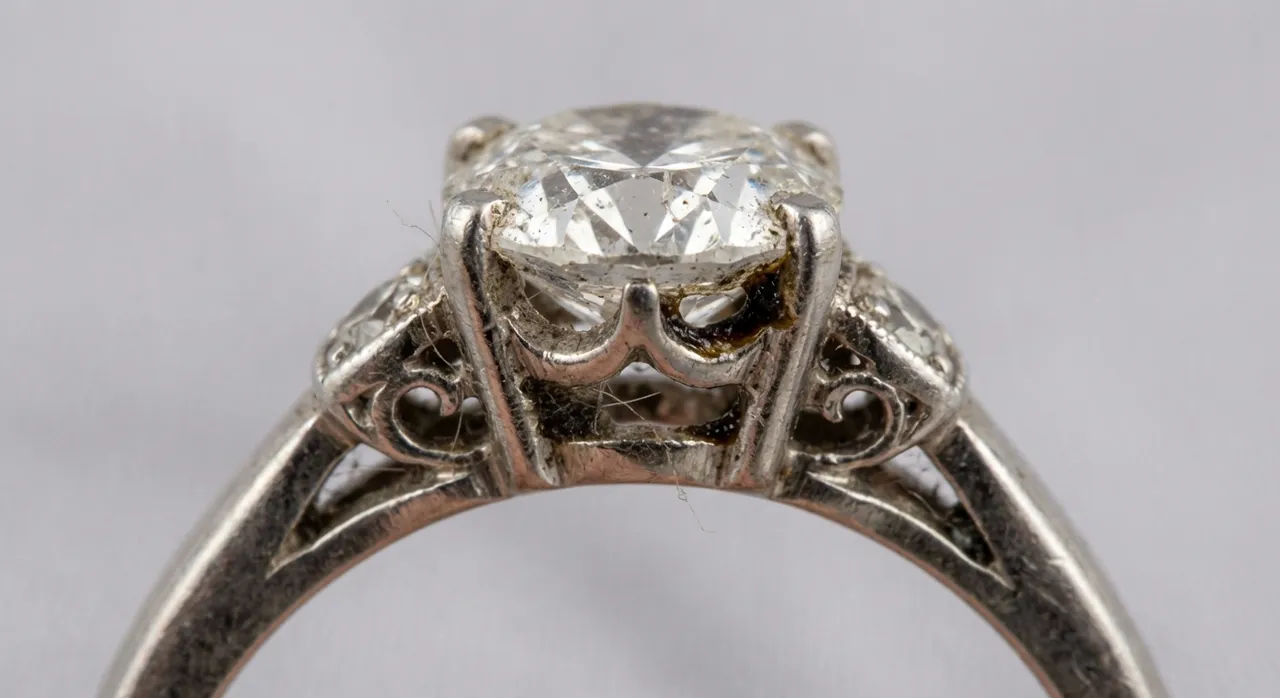
Lotion, soap and skin oil on the underside of the stone, not the diamond itself. A diamond, lab-grown or natural, does not go cloudy with age, so a ring that looks dull usually needs a clean. If it still looks hazy after a gentle wash, have it looked at rather than scrubbing harder.
Our guide to whether lab-grown diamonds get cloudy explains why, and how to clean a cloudy engagement ring covers stubborn film.
Can you use an ultrasonic or steam cleaner?
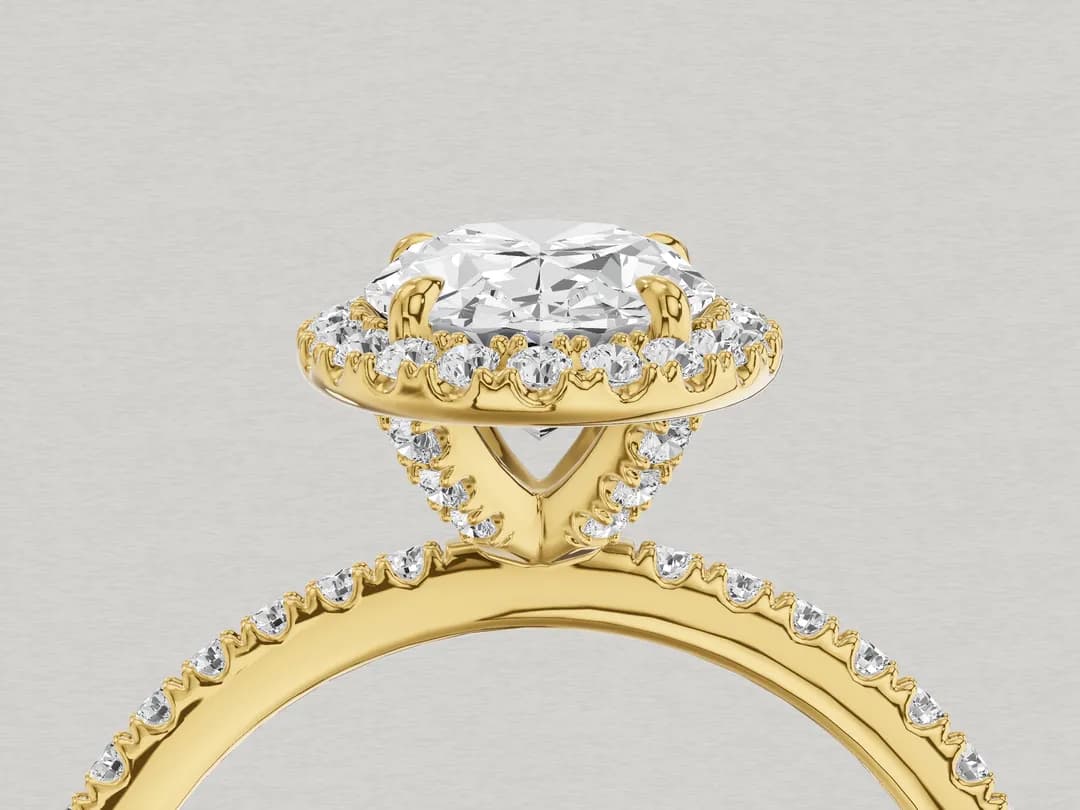
Not at home. GIA advises against ultrasonic and steam cleaners for home use because they can loosen stones in their settings, which is why a jeweller checks the setting first. The vibration can also chip pavé stones where their edges touch, and treated or coloured stones need more care again.
| Stone | Soap and warm water | Ultrasonic or steam |
|---|---|---|
| Lab-grown diamond | Yes | Only by a jeweller, after checking the setting |
| Natural diamond | Yes | Only by a jeweller; never on a fracture-filled diamond |
| Moissanite | Yes | Only by a jeweller, after checking the setting |
| Sapphire or ruby | Usually, if untreated or heated | Ask first; never if filled or dyed |
What should you never clean a diamond ring with?
Toothpaste, baking soda, chlorine bleach and harsh household cleaners. Toothpaste and baking soda are abrasive and scratch the gold or platinum around the stone. Chlorine, including pool water, and strong cleaners can damage gold alloys and some stone treatments, so take the ring off before swimming or cleaning the house.
Boiling water and sudden changes of temperature are a risk too. Warm water is enough.
How often should you clean a diamond ring?
About once a week if you wear it every day, with a wipe from a soft cloth in between, and a check of the claws once a year. Bring the check forward after a hard knock, if the ring starts catching on clothes, or if a stone moves.
How do you clean a gold or platinum band?
The same soap-and-water soak works for gold and platinum. Afterwards, buff the band with a soft jewellery polishing cloth, and keep toothpaste and baking soda away from it.
Most white gold is rhodium plated, so clean it gently to make the plating last. When the warmer gold underneath starts to show, it needs replating rather than more cleaning; does white gold turn yellow? explains when. Platinum wears to a soft grey patina, which a jeweller can polish back to a shine if you prefer it.
| Metal | Clean with | Over time |
|---|---|---|
| Yellow or rose gold | Soap, warm water and a soft brush, then a polishing cloth | Keeps its colour; fine scratches polish out |
| White gold | The same, gently | The rhodium plating wears and can be renewed |
| Platinum | The same | Wears to a soft patina that a jeweller can polish |
What do jewellers use to clean diamond rings?
An ultrasonic bath, a steam cleaner and a polishing wheel, used after checking the claws and making sure no stone moves. Polishing takes off a fine layer of metal, so it is worth doing only when the ring needs it. How do jewellers get rings so shiny? goes through each step.
We have no showroom, so if something looks wrong, send us a photo. We will tell you whether a home clean is enough or whether the ring should be posted to us for a check.
Does a lab-grown diamond or moissanite need different cleaning?
No. A lab-grown diamond is the same material as a natural one, as GIA explains, and moissanite takes the same soap, warm water and soft brush. Every diamond on our ring builder is lab-grown and IGI-graded, and every ring we make is solid 14k or 18k gold or platinum, so this method suits all of them, halos and pavé bands included.
Sources and PDS documents
- #01
GIA: Diamond Care and Cleaning Guide
Safe home cleaning, and why ultrasonic and steam cleaners are not for home use.
- #02
GIA: Secrets to Keeping Your Diamond Sparkling
Gentle washing, cleaning behind the stone, abrasive risks and ultrasonic cautions.
- #03
GIA: Tips on Caring for Jewelry
Treatment-sensitive care, rinsing in a container and protecting different gem materials.
- #04
GIA: Understanding Diamond Treatments
Coatings, fracture filling and the limits of GIA reporting for unstable treatments.
- #05
GIA: How to Protect Your Diamond Engagement Ring
Prong checks, everyday handling and separate storage.
- #06
GIA: Natural and Laboratory-Grown Diamonds
The material properties shared by natural and laboratory-grown diamonds.
- #07
GIA: Ruby Care and Cleaning Guide
Cleaning distinctions for untreated, heated, filled and dyed ruby.
- #08
GIA: Sapphire Care and Cleaning Guide
Treatment-related cleaning restrictions, including filled and dyed sapphire.
Frequently asked questions
- How do I make my diamond ring sparkle again?
- Clean the underside of the stone, where lotion and skin oil build up: soak the ring in warm soapy water for about 20 minutes, brush gently with a soft toothbrush, rinse it and dry it with a lint-free cloth.
- Can I use toothpaste to clean a diamond ring?
- No. Toothpaste is abrasive and scratches the gold or platinum around the stone. Use warm water, mild dish soap and a soft brush.
- Can I clean my ring with vinegar?
- There is no need. Mild dish soap does the job, and acids such as vinegar can harm some gemstones, treatments and plated finishes.
- Can I use an ultrasonic cleaner on a diamond ring?
- Not at home. GIA advises against home ultrasonic and steam cleaners because they can loosen stones. A jeweller checks the setting before using one.
- How often should I clean my engagement ring?
- About once a week if you wear it every day. Have the claws checked once a year, or straight away after a hard knock.
- Why does my engagement ring look dull?
- Usually lotion, soap and skin oil on the underside of the stone. A gentle clean brings the sparkle back; if it doesn’t, have the ring looked at rather than scrubbing harder.
- Can I clean a coloured-stone engagement ring the same way?
- Check the stone and any treatment first. Untreated or heated sapphire and ruby usually take soap and warm water, but filled or dyed stones, emerald, opal and pearl need their own care, so ask before soaking them.
- How do I make a gold ring shiny again?
- Clean it in warm soapy water with a soft brush, then buff it with a jewellery polishing cloth. Deeper scratches need a jeweller’s polish.
- Can I clean a white gold ring with toothpaste?
- No. It scratches the metal and wears away the rhodium plating that keeps white gold bright.