
What is 14k gold?
Last updated 17 October 2026
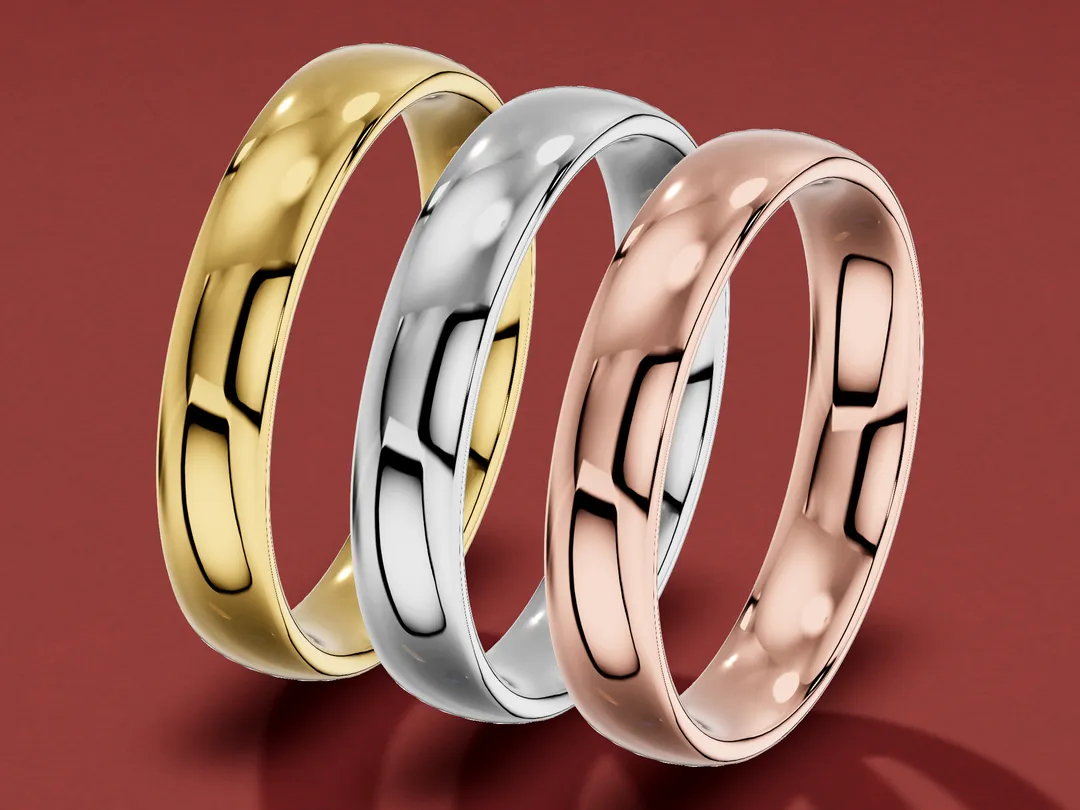
14k gold describes a gold alloy with a purity of 14 parts in 24, about 58.3% by calculation. A common manufacturing standard is 585 fineness, which means 58.5% gold by weight. The other metals create yellow, white, rose and other gold colours, and influence how the alloy behaves. Both composition and manufacturing treatment matter, so the 14k label alone does not predict hardness or the quality of a finished piece.
| Description | Gold content | What it means |
|---|---|---|
| 9ct or 375 | 37.5% | 9 parts gold in 24; 375 parts in 1,000 |
| 14k, calculated as 14/24 | About 58.3% | The mathematical karat fraction |
| 585, a common 14k standard | 58.5% | 585 parts gold in 1,000 |
| 18k, 18ct or 750 | 75% | 18 parts gold in 24; 750 parts in 1,000 |
Read the full material description
A 14k or 585 mark is a clue to stated purity, but provenance and construction still matter. Check whether the description says solid gold, gold filled or gold plated. Surface colour and a stamp alone cannot authenticate an unfamiliar piece.
Compare the whole piece with 18k
Ask which alloy is used and how the ring, chain or setting is constructed. Manufacturer data show that hardness varies within a karat category, while working and heat treatment can change it further. Choose the colour and design you prefer, with care suited to the piece.
Frequently asked questions
- Is 14k gold good quality?
- 14k gold can be used for well-made everyday jewellery. Its mark describes gold content; quality also depends on the alloy, construction, finish and workmanship. Check the stated materials and how the piece is made rather than treating karat as a guarantee against scratches, bending or wear.
- Will 14k gold turn your finger green?
- It can leave a green mark when metals in the alloy react, although that is not inevitable for every piece or wearer. A mark alone does not establish gold purity or prove the ring is imitation. Ask a jeweller to check the materials and surface if the cause is uncertain.
- 14k or 18k gold, which should I choose?
- Start with the actual pieces and their specifications. 18k contains more gold by weight, while colour and wear properties depend on the complete alloy and how it is made. Compare the finish, construction, care needs and current quote. Either can suit everyday jewellery in an appropriate design.
Sources and further reading
Talk through 14k gold with us
Tell us what you have in mind, even if it is only a budget and a piece of jewellery type, and we will help you weigh up the options. We reply to every enquiry, usually within one business day.
Contact the studio