Diamond clarity measures the natural imperfections in a stone. These form as carbon crystals grow deep in the earth over millions of years. Some appear inside the diamond, inclusions. Others show on the surface which are called blemishes.
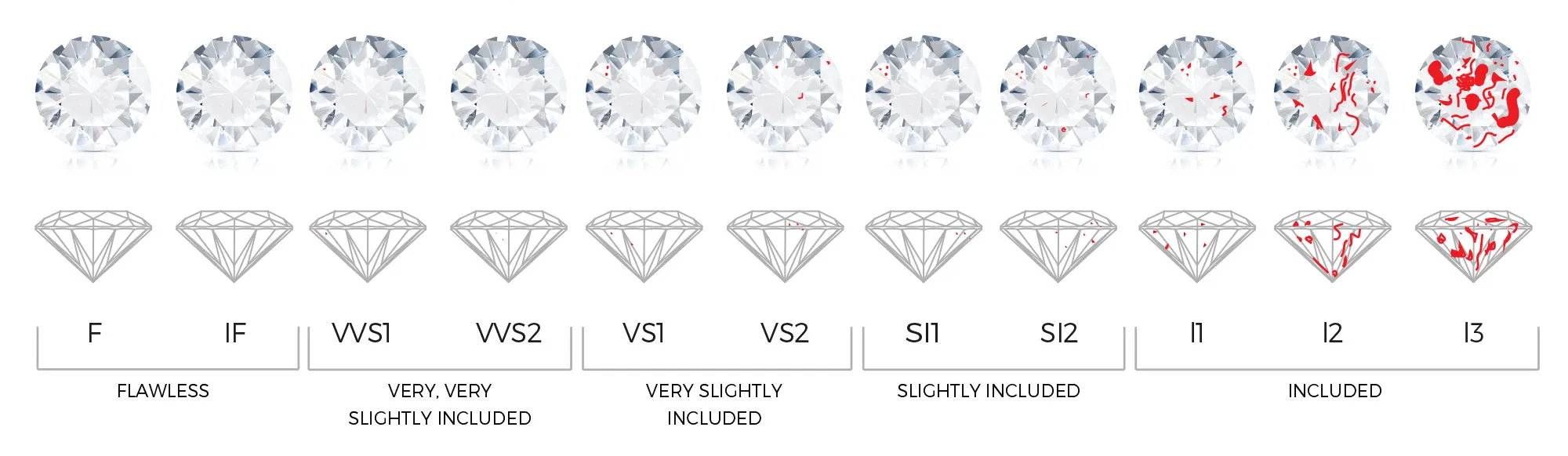
Gemologists grade clarity under 10× magnification. They assess the size, number, position, and contrast of these characteristics. Flawless diamonds show no imperfections under magnification. Lower grades have more or larger flaws.
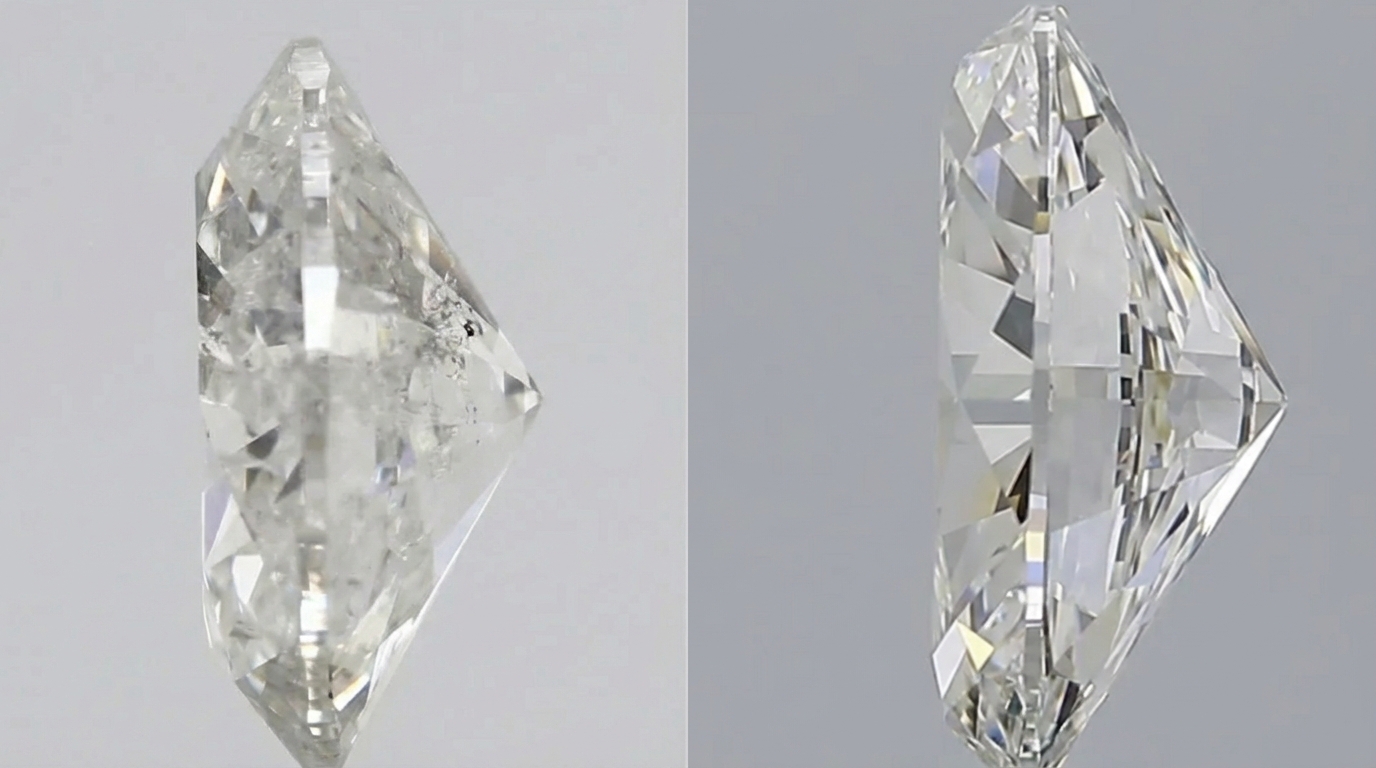
Nearly all diamonds contain some clarity characteristics. The real question isn't the grade on paper, it's whether you can see the imperfections without magnification in everyday life. Many diamonds graded VS2 to SI1 look perfectly clean to the naked eye. The industry calls these eye-clean diamonds.
What Eye-Clean Means
Eye-clean describes diamonds with no visible inclusions when viewed normally, at 6 to 12 inches from the eye in good lighting. Two diamonds with the same clarity grade can look different. One might appear flawless while the other shows obvious spots.
The GIA clarity scale has 11 grades:
- Flawless (FL): No imperfections under 10× magnification
- Internally Flawless (IF): No inclusions, only surface blemishes
- VVS1-VVS2: Extremely difficult to see under magnification
- VS1-VS2: Minor inclusions, difficult to see under magnification
- SI1-SI2: Noticeable under magnification, sometimes visible to the eye
- I1-I3: Inclusions visible to the naked eye
Most VS2 and higher diamonds appear eye-clean. Many SI1 diamonds do too. SI2 is where selection becomes critical, some look clean, others don't.
Does Clarity Grade Guarantee What You'll See?
No. A certificate tells you what a grader saw under magnification. It doesn't guarantee how the diamond looks to your eye.
Different types of inclusions affect visibility. Black carbon spots show more than white crystals. Inclusions under the table facet are more obvious than those near the edge. The cut and shape matter too. Brilliant cuts like round and princess hide inclusions better than step cuts like emerald and Asscher.
Size affects what you see. In diamonds under one carat, SI1 clarity often looks clean. Above two carats, the same grade can show visible flaws because the larger table magnifies imperfections.
Where Clarity Fits in Value
Clarity is one of the 4Cs of diamond quality. But it doesn't work alone. Cut quality usually affects how bright and lively a diamond appears more than clarity does. Color and carat weight play their roles too.
Once a diamond looks clean to your eye, higher clarity grades rarely improve appearance. A VS2 that's eye-clean can cost thousands less than a VVS1. Both look identical when worn.
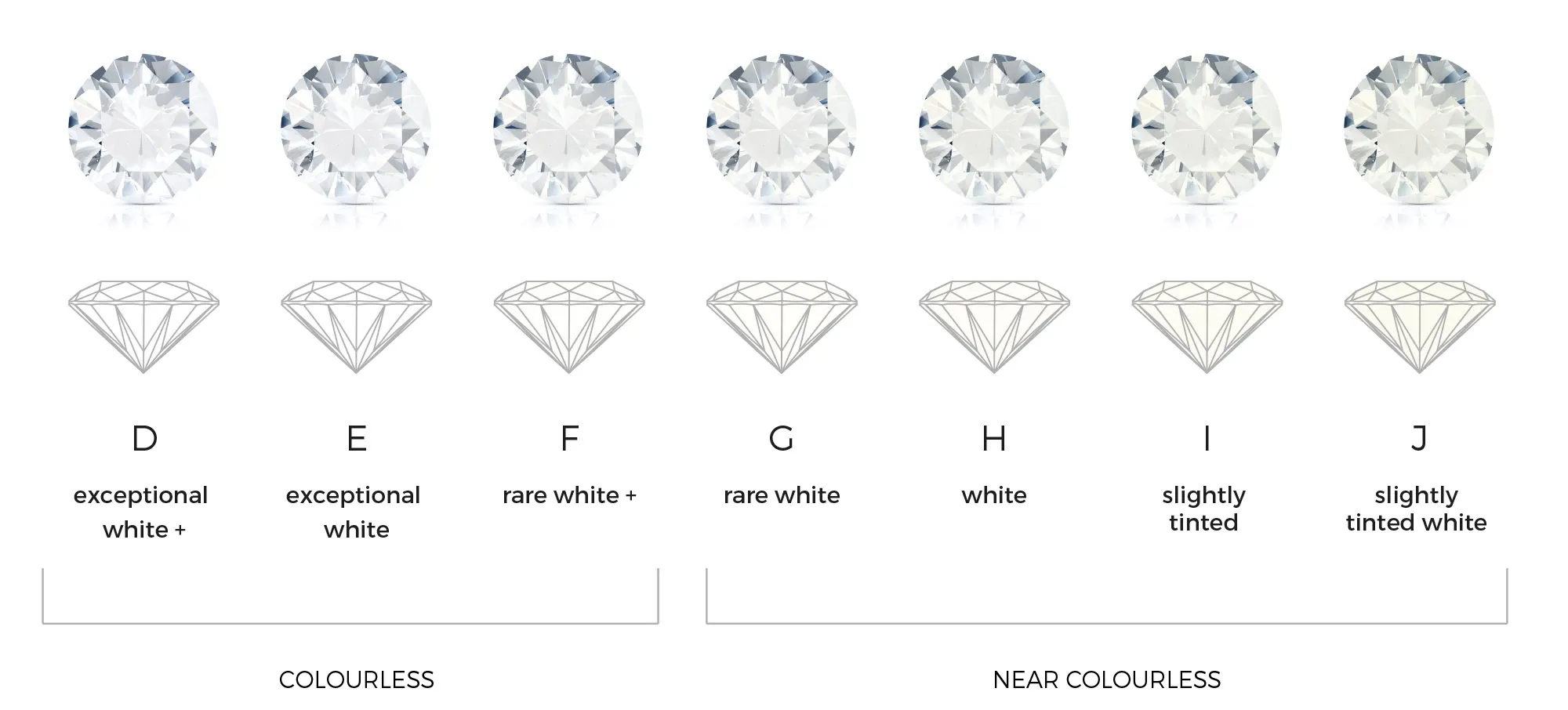
The sweet spot for value sits between VS2 and SI1. These grades balance visual cleanliness with price. You avoid paying for perfection you can't see while still getting a diamond that looks flawless in real life. View our collection of lab-grown diamond engagement rings in which we only stock the best stones.
Thanks for reading,
Jared & Brie