Are Lab-Grown Diamonds Worth It?

By Jared James · Last updated 21 May 2026
Quick answer
Lab-grown diamonds are worth it if you want a real diamond and care most about the ring you will wear. For the same budget they let you choose a larger or better-cut stone than a natural diamond. They make less sense if natural rarity or heirloom origin matters most to you.
When are lab-grown diamonds worth it?
They are worth it when what you really care about is the finished ring, a diamond that looks like a diamond and wears like a diamond, with more of your budget free to go into the choices you can actually see, like the cut, the size, the setting and the metal.
They are a weaker fit when the value sits in natural rarity, because some buyers want a stone that formed underground over billions of years, and for them that story is part of the point. That is a question of meaning as much as price, and only you can answer it.
If you are still wondering whether a lab-grown diamond counts as a real diamond, start with are lab-grown diamonds real?
Lab-grown diamond value compared
| Factor | Worth it when | Think twice when |
|---|---|---|
| Budget | You want a real diamond and would rather put the budget into size, cut quality or the setting. | You would rather own a smaller natural diamond because origin carries more meaning to you. |
| Appearance | You want the same diamond look, hardness and grading language as a mined diamond. | You want the natural formation story as part of the emotional value of the stone. |
| Resale | You plan to keep the ring and do not treat the diamond as an investment. | You may sell, trade or upgrade later and want the more established natural diamond resale market. |
| Origin | You prefer a diamond with no mining origin and clearer disclosure around how it was produced. | You want a natural stone and are prepared to ask more provenance questions before buying. |
Why are lab-grown diamonds cheaper?
Lab-grown diamonds usually cost less than a comparable natural diamond, and the reason is supply. A lab-grown diamond is made over a matter of weeks rather than found in a limited natural deposit, so production can scale to meet demand, and the price reflects that.
A lower price does not mean a lower-quality stone. A lab-grown diamond is still carbon arranged in a diamond crystal structure, so it is every bit a diamond, and how good any one looks still comes down to the individual stone, its cut, colour, clarity, carat weight and transparency.
Do lab-grown diamonds hold their value?
Lab-grown diamonds resell for well below what you paid, and by a wider margin than natural diamonds do. New production keeps coming online and prices keep drifting down, so a stone you buy today can usually be replaced more cheaply in a few years, and the resale market has already priced that in.
Natural diamonds are not really an investment either, and they rarely recover their retail price once they are secondhand, so neither stone is money you should expect to get back. It helps to think of an engagement ring as something to wear for decades rather than a stone to sell one day, and judged that way a lab-grown diamond does its job well.
The picture is the same whatever the stone is called, whether that is lab-grown, lab-created, man-made or synthetic. They are all names for the same thing, and the resale market treats them alike.
Do lab-grown diamonds vary in quality?
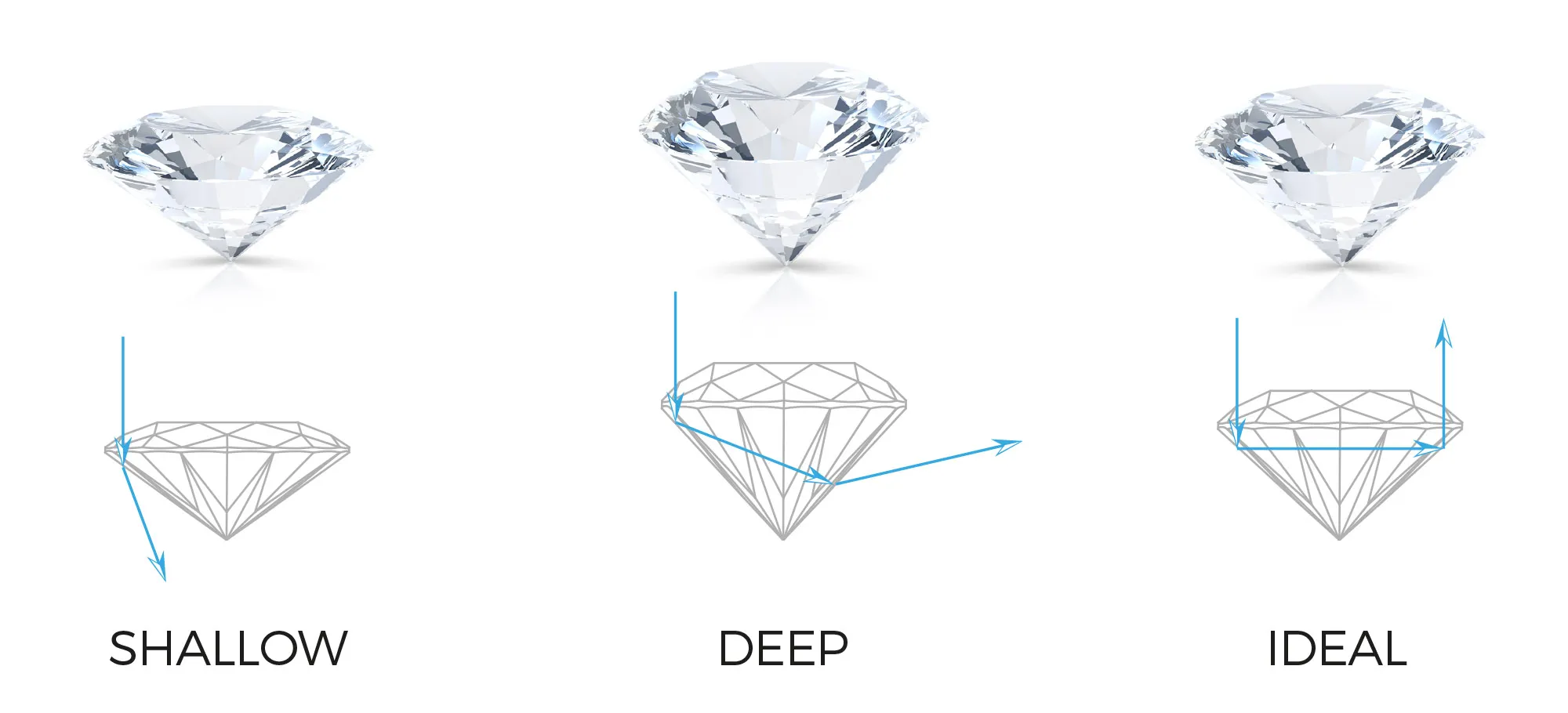
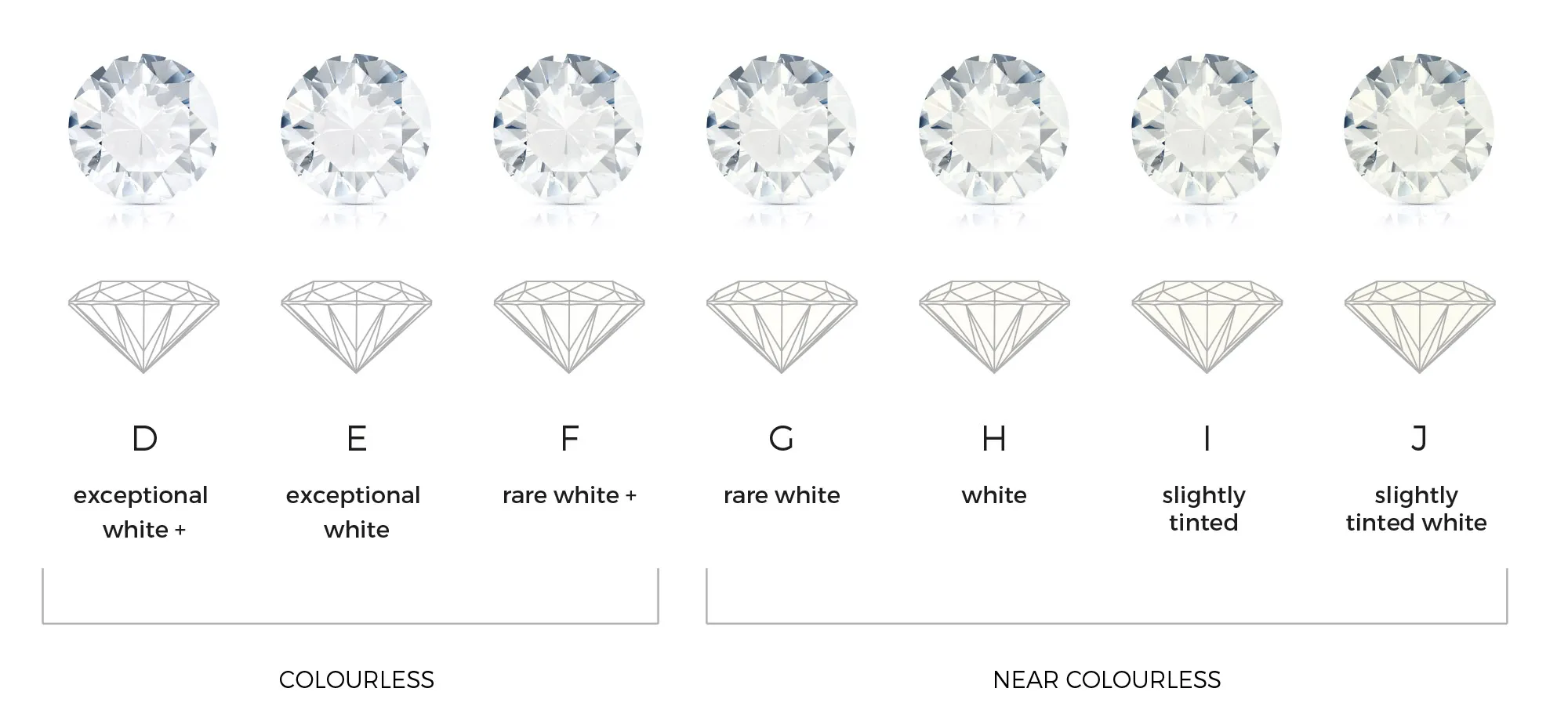
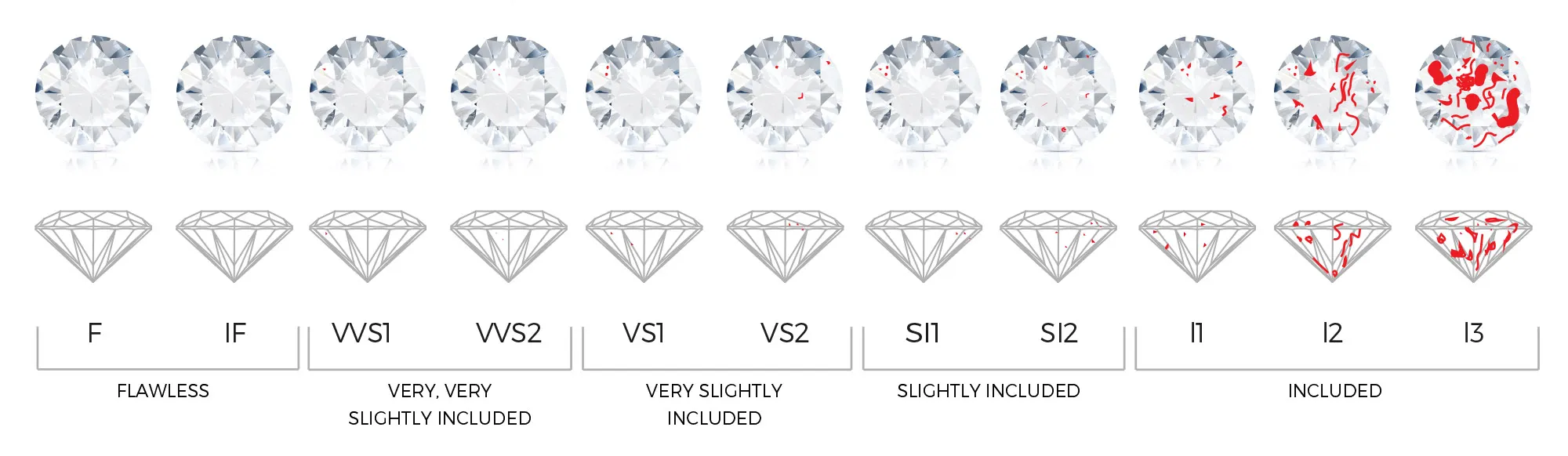
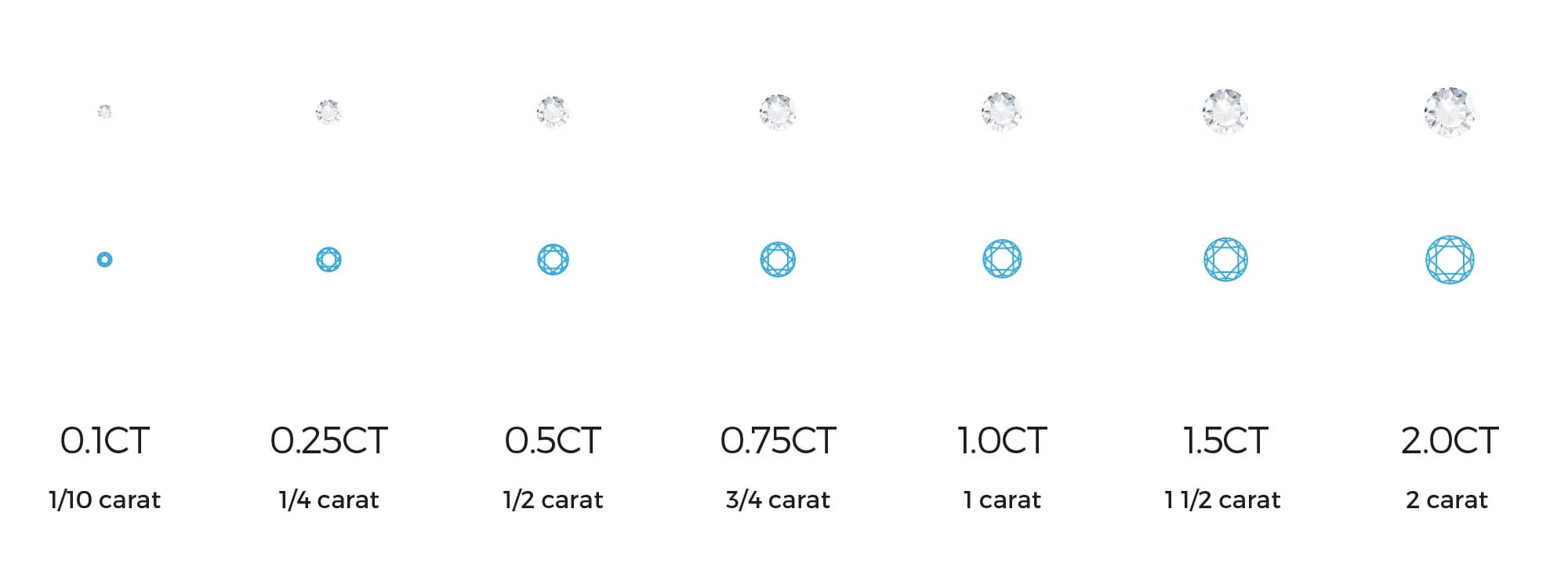
Yes, they do. Lab-grown diamonds run all the way from excellent to poor, just like natural diamonds, so it is worth slowing down here. Do not buy a stone only because it is lab-grown or because the price looks like a bargain. Read the grading report, compare the cut and look at the stone itself before you decide.
The best value is usually not the highest grade on the page. It is the diamond that looks clean, bright and balanced once it is in the setting, without paying extra for fine details you would never notice on the hand.
Use the 4Cs guide and certification guide when you compare reports.
Are lab-grown diamonds ethical?
Lab-grown diamonds take mining out of the picture, which is one of the main reasons buyers come to them, and they are often easier to trace back to the facility that made them.
They do still use energy, and producers vary, so treat broad environmental claims with a bit of care and ask the seller what they can actually document. The ethical diamonds guide explains the sourcing question in more detail.
Ready to compare
See what the value looks like in rings
Browse lab-grown diamond engagement rings and compare how size, cut quality, colour and clarity read once the stone is set.
View lab-grown ringsFrequently asked questions
- Are lab-grown diamonds worth buying?
- Yes, for a lot of engagement ring buyers they are. A lab-grown diamond is worth buying if you want a real diamond, you would like more size or quality for the same budget, and you plan to keep the ring rather than resell the stone later.
- Do lab-grown diamonds hold their value?
- Not really, and it helps to know that going in. Lab-grown diamonds have a smaller resale market than natural diamonds, and while natural diamonds rarely recover their retail price either, your resale expectations for a lab-grown stone should be more modest again.
- Are lab-grown diamonds lower quality?
- No. Quality comes down to the individual stone, its cut, colour, clarity and carat weight, so a lab-grown diamond can be excellent or poor in just the same way a natural diamond can.
- Why are lab-grown diamonds usually cheaper?
- They are made with controlled technology rather than mined from a limited natural deposit, so supply can scale to meet demand, and that brings the price down. A lower price does not mean the stone is fake.
- Are lab-grown diamonds good for engagement rings?
- Yes. They are hard enough for everyday wear, they grade just like natural diamonds, and they suit anyone who cares more about the ring they will actually wear than about reselling the stone down the line.
Still deciding
Ask us to compare the trade-offs
Send the ring brief or diamond reports you are considering and we will help you compare the value, origin and setting choices.
Contact the studio