Lab-Grown vs Natural Diamonds: Are Lab-Grown Diamonds Real?

By Jared James · Last updated 17 September 2026
Quick answer
Yes, lab-grown diamonds are real diamonds. Lab-grown and natural diamonds are both carbon in the same crystal structure, so they share the same hardness and sparkle. Their differences are origin, price, rarity and resale market.
Lab-grown vs natural diamonds at a glance
| Factor | Lab-grown diamond | Natural diamond |
|---|---|---|
| Material | Carbon in a diamond crystal structure. | Carbon in a diamond crystal structure. |
| Appearance | Looks like diamond because it is diamond, with beauty depending on cut quality. | Looks like diamond, with beauty depending on cut quality. |
| Origin | Grown above ground using HPHT or CVD technology. | Formed underground and recovered through mining. |
| Price | Usually lower for a comparable size and grade. | Usually higher because supply is mined and natural rarity is part of the value. |
| Resale | A smaller resale market and more conservative resale expectations. | A more established resale market, though retail price is rarely recovered. |
| Grading | Graded on the 4Cs by IGI; GIA switched to a Premium or Standard rating in 2025. | Graded by the 4Cs, with natural origin disclosed on the report. |
| Best fit | Buyers who want a real diamond and more budget room for size, cut or setting detail. | Buyers who value natural origin, rarity and a longer-established market. |
Are Lab-Grown Diamonds Real?
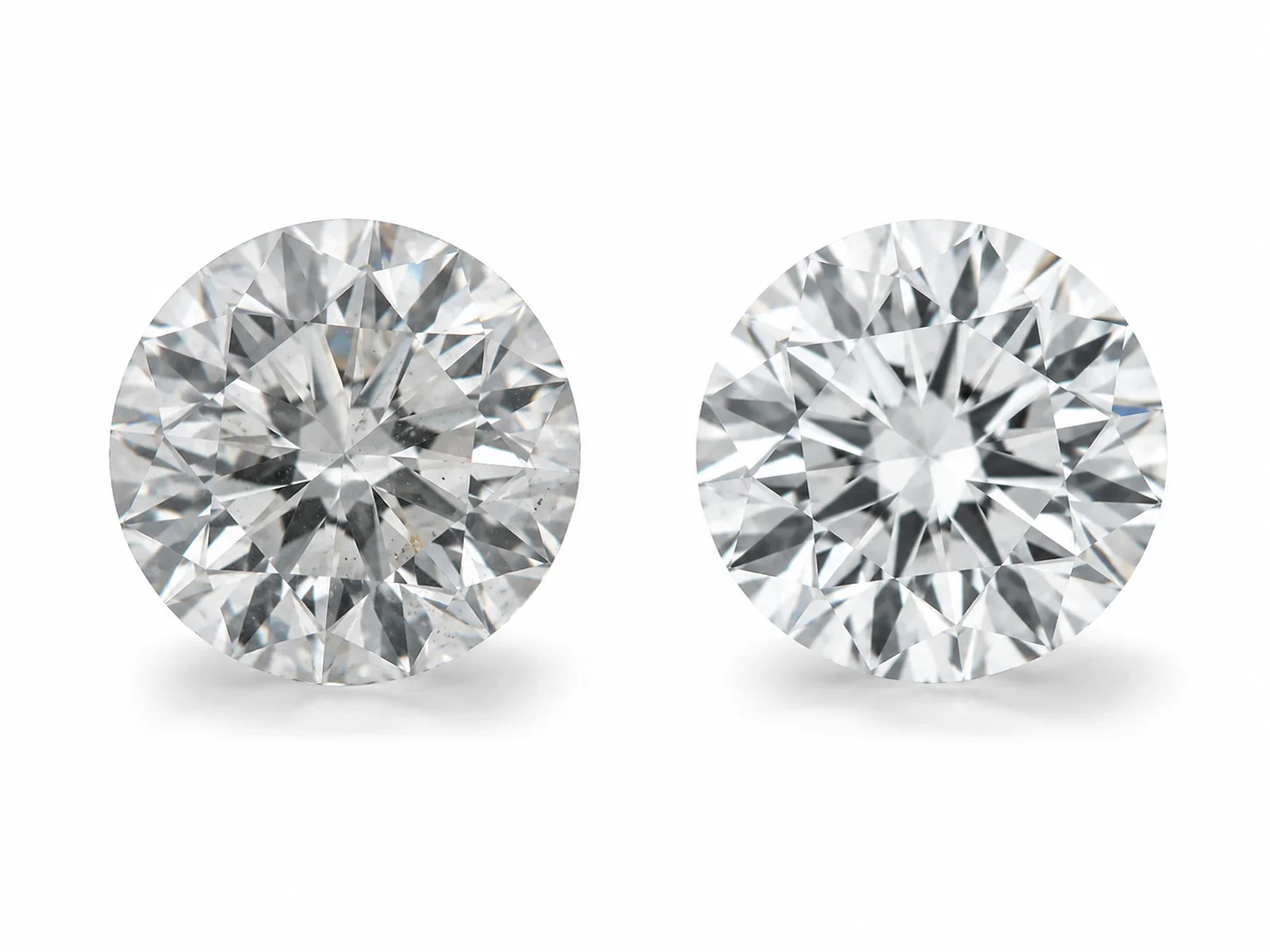
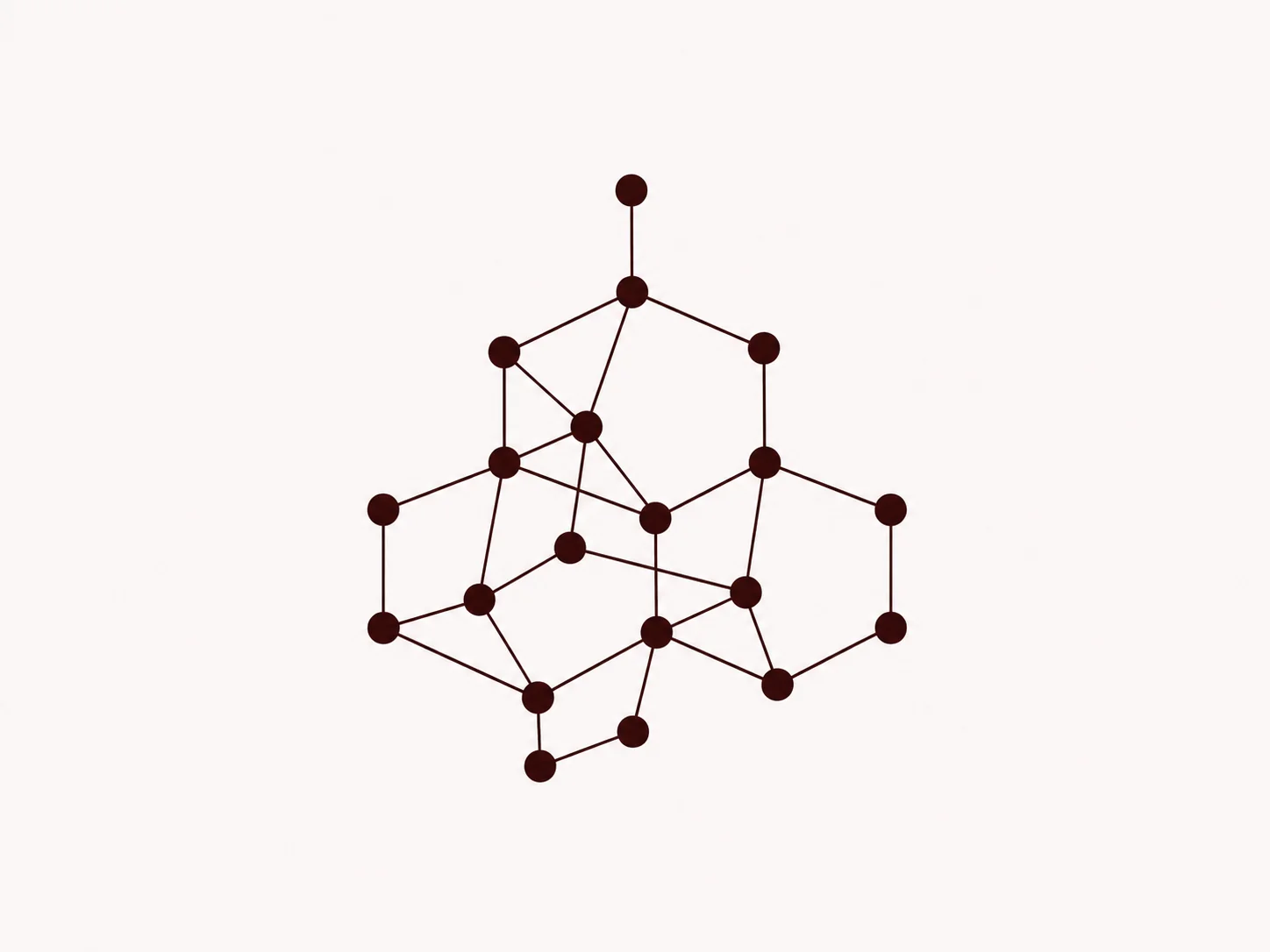
Both are diamonds. A lab-grown diamond and a natural diamond are both carbon in a diamond crystal structure, so they have the same hardness and the same diamond sparkle when they are cut to the same standard.
Both are judged on quality and origin by independent grading labs. Natural diamonds and most lab-grown diamonds are described through the 4Cs, the cut, colour, clarity and carat weight, although GIA now rates lab-grown diamonds as Premium or Standard instead.
You will often see this searched as lab-grown vs real diamonds, or as man-made, manufactured, synthetic or engineered diamonds against real ones. That framing is a little off, because a lab-grown diamond is a real diamond, and all of those names describe the same stone. The comparison that actually holds up is lab-grown against natural, or mined, and that is what the rest of this page works through.
Lab-grown diamonds are not diamond lookalikes. Moissanite and cubic zirconia are different materials with different optical and physical properties. A grading report identifies a diamond as laboratory-grown or natural, and specialist equipment can distinguish the growth origin even though the two look alike to the unaided eye.
Difference between lab-grown and natural diamonds
Origin changes the story, the supply chain and the price. Natural diamonds form underground over a very long time and are recovered through mining, while lab-grown diamonds start with a diamond seed and grow above ground using HPHT or CVD technology.
Origin can also change how you feel about the ring itself. Some buyers love the idea of a stone that formed underground, while others would rather have a diamond with no mining behind it, and the budget room that leaves for a bigger centre stone or a more detailed setting.
Watch: natural, lab-grown and moissanite
A short video walkthrough of how natural diamonds, lab-grown diamonds and moissanite differ in material, sparkle and origin.
Lab-grown vs natural diamonds: cost and resale
Lab-grown diamonds cost much less than a natural diamond of the same size and grade. The ABC reports they are 30 to 70 per cent cheaper per carat than natural diamonds, which can free up room for a larger stone, a better cut or a more detailed setting inside the same budget.
The gap keeps widening because lab-grown prices keep falling. De Beers said in May 2025 that lab-grown diamond prices in the jewellery sector had fallen 90% at wholesale, and JCK reported in August 2026 that wholesale prices fell another 26% in 2025.
Resale is where the two differ most. A Jewellers Association of Australia spokesperson told the ABC that lab-grown diamonds have negligible resale value, leaving mainly the value of the gold or platinum in the setting. Natural diamonds have the more established resale market, though even a natural diamond usually sells secondhand for less than you paid. Buy a lab-grown diamond for the ring you want to wear, not as an investment.
If you want to dig into the value side of this, read do lab-grown diamonds hold their value?
How lab-grown diamonds must be described in Australia
There is no Australian law written only for lab-grown diamonds, but the Australian Consumer Law bans misleading or deceptive conduct, including misleading claims about what a product is. The ACCC's guidance on jewellery advertising says "laboratory created" is unlikely to be misleading for a lab-made diamond, that "cultured" risks being misleading, and that failing to disclose that a gemstone is not natural is likely to breach the law.
The Jewellers Association of Australia's code of conduct, which binds the jewellers who sign it, reserves the word diamond on its own for natural diamonds, and requires a lab-made stone to be described as a laboratory-grown, laboratory-created or synthetic diamond. Check that one of those terms appears on the invoice and the grading report.
Lab-grown vs natural diamond quality
Quality varies just as much in both. A lab-grown diamond can have a poor cut, visible inclusions or a colour undertone, and a natural diamond can have all the same issues. The grading report gives you a starting point, and from there the exact stone still needs to be judged on its own.
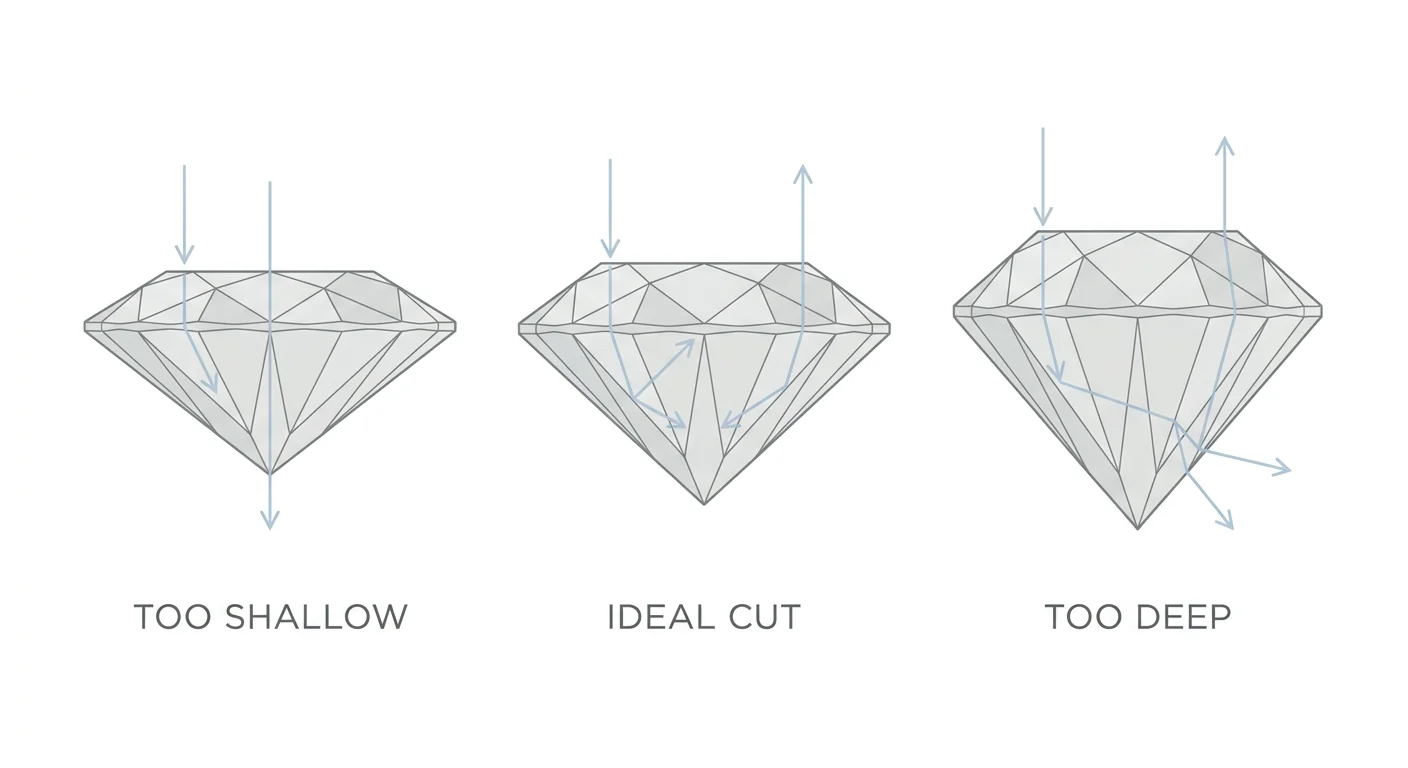
Put cut first. Colour and clarity are best chosen alongside the diamond shape, the size and the setting metal, since they all affect how the stone reads. A well-cut G colour VS2 can make a better ring than a higher-grade diamond that returns light poorly.
Use the 4Cs guide and the certification guide while you compare reports.
Lab-grown or natural diamond: which to choose
Choose lab-grown if
- You want a real diamond with more size for the budget.
- You plan to keep the ring and are not relying on resale.
- You prefer to avoid a mined origin.
- You would rather put money into the setting or cut quality.
Choose natural if
- Natural origin is part of the meaning of the ring.
- Rarity matters more to you than initial size for budget.
- You want the more established resale market.
- You have strong provenance documentation for the exact stone.
Ready to compare
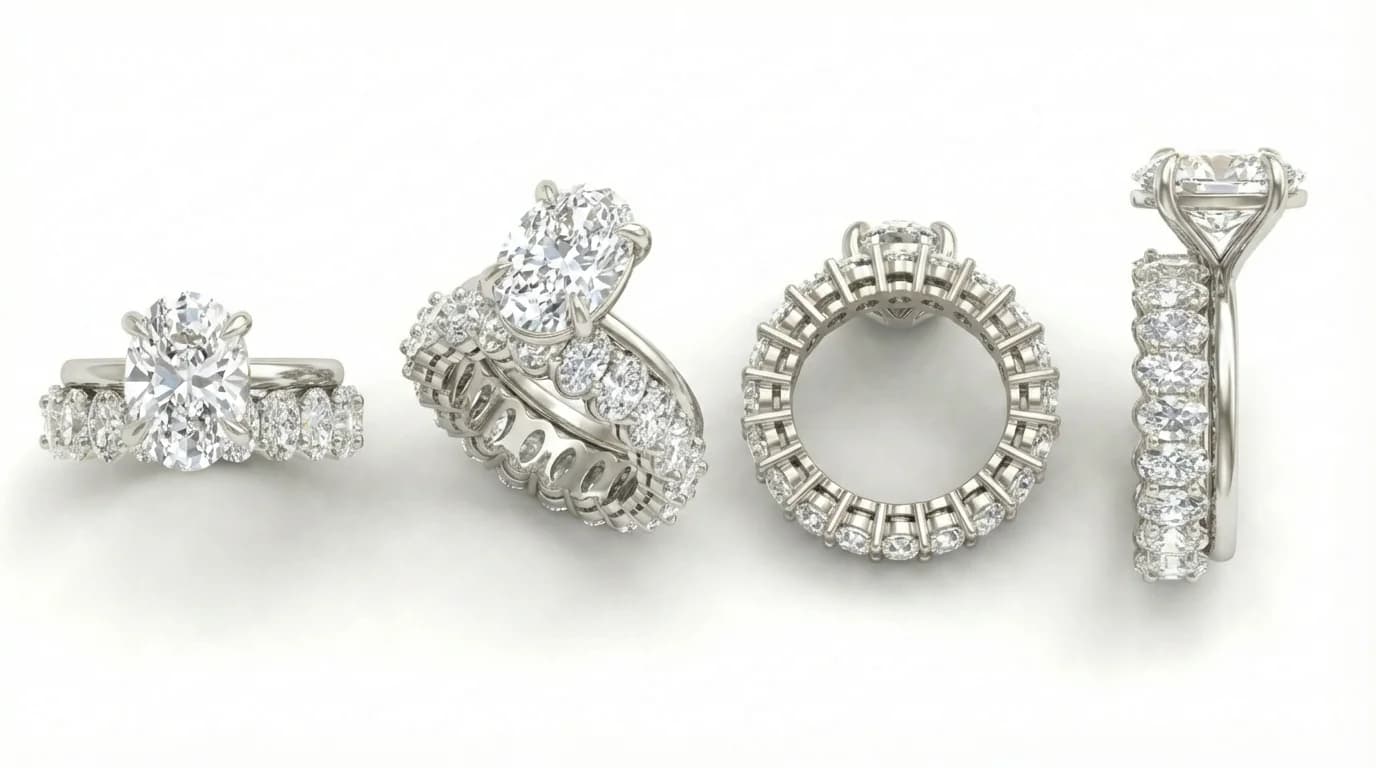
See lab-grown diamonds in ring settings
Browse lab-grown diamond engagement rings and compare how shape, size, colour and clarity read once the stone is set.
View lab-grown ringsFrequently asked questions
- What is the main difference between lab-grown and natural diamonds?
- The main difference is origin. Lab-grown diamonds are grown above ground using technology, while natural diamonds form underground and are mined. Both are diamond material.
- Are man-made and synthetic diamonds the same as lab-grown diamonds?
- Yes. Man-made, manufactured, laboratory, synthetic and engineered are all other names for lab-grown diamonds. They are real diamonds, so the genuine comparison is lab-grown against natural, or mined, diamonds.
- Do lab-grown and natural diamonds look different?
- No. A lab-grown and natural diamond with the same cut, colour, clarity and carat weight look the same to the eye. Specialist testing and the grading report identify origin.
- Are lab-grown diamonds cheaper than natural diamonds?
- Yes. The ABC reports lab-grown diamonds are 30 to 70 per cent cheaper per carat than natural diamonds, and the gap has widened as lab-grown prices keep falling.
- Can a jeweller call a lab-grown diamond just a diamond in Australia?
- Not under the Jewellers Association of Australia code of conduct, which reserves the word diamond on its own for natural diamonds and requires lab-made stones to be described as laboratory-grown, laboratory-created or synthetic. The Australian Consumer Law also bans misleading claims about what a product is.
- Do lab-grown diamonds have resale value in Australia?
- Very little. A Jewellers Association of Australia spokesperson told the ABC that lab-grown diamonds have negligible resale value, leaving mainly the value of the gold or platinum setting.
- Which is better for an engagement ring?
- Lab-grown is often better if you want more size or quality for the budget. Natural is often better if the natural formation story, rarity or resale market matters more.
- Are both types graded by the 4Cs?
- Natural diamonds are, and so are lab-grown diamonds graded by laboratories such as IGI. GIA is the exception: since October 2025 it rates lab-grown diamonds as Premium or Standard rather than grading them on the 4Cs.
Still deciding
Ask us to compare origins
Send the report or ring brief you are working with and we will help you compare lab-grown and natural options.
Contact the studio