
What is an inclusion in a gemstone?
Last updated 17 October 2026
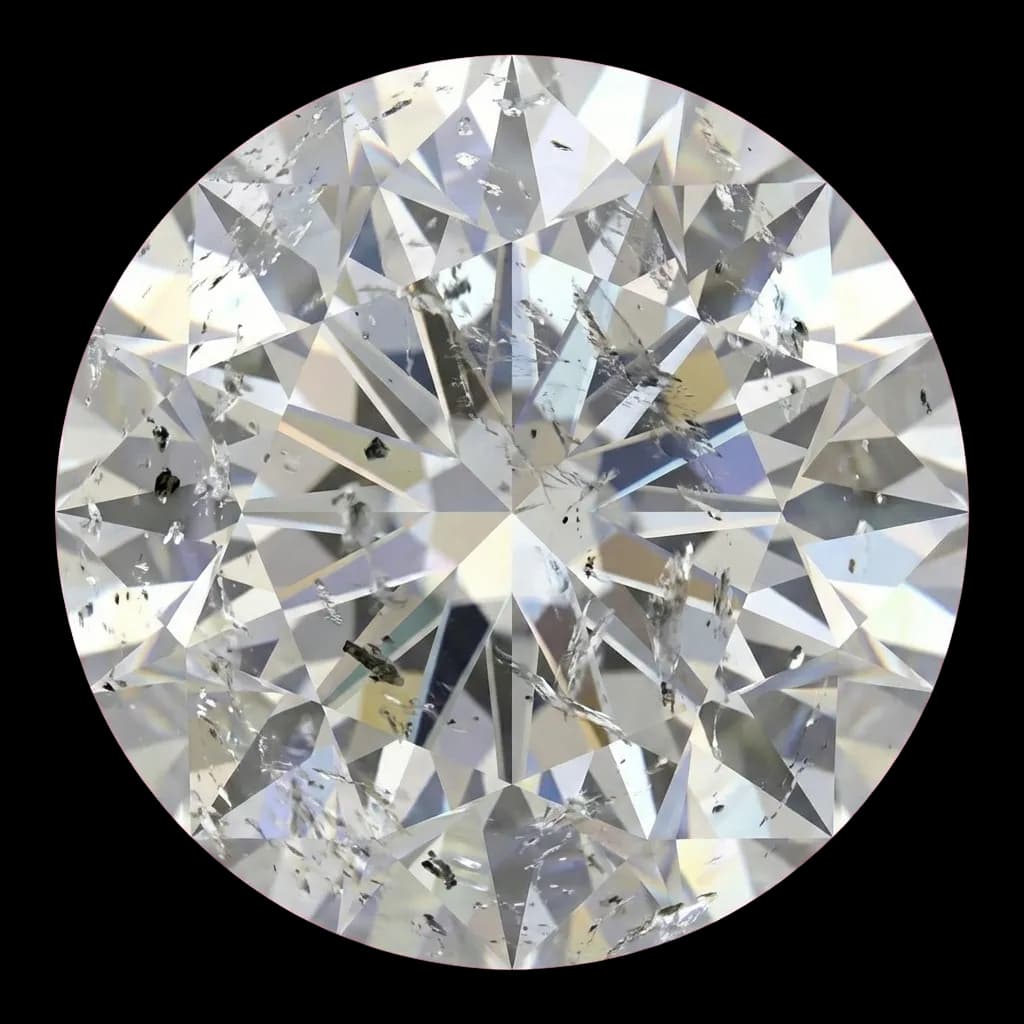
An inclusion is an internal characteristic of a gemstone, such as a crystal, a growth feature or a fracture. In diamonds, a cloud is a group of tightly clustered pinpoints, not a group of cavities. Natural and laboratory-grown gems can both contain inclusions. Certain features help a gemmologist investigate origin or treatment, but their mere presence does not prove either.
Frequently asked questions
- Do inclusions make a gemstone less valuable?
- Generally yes, because more visible inclusions affect the stone's clarity grade and its appearance. But the impact depends heavily on the type of stone. Diamonds are graded on a strict clarity scale where visible inclusions reduce value significantly, while emeralds are almost always included and priced with that in mind, so a clean emerald commands a very large premium.
- Can you see inclusions in a diamond with the naked eye?
- Sometimes. Visibility depends on the inclusion’s size, position and contrast, as well as the stone and viewing conditions. An eye-clean appearance must be assessed individually; it is not guaranteed by a VS or SI label.
- Are inclusions ever a good thing?
- Yes. Inclusions can create attractive patterns or optical phenomena, such as the star in some sapphires. They can also help trained gemmologists investigate origin or treatment. A visible inclusion by itself is not proof that a gem is natural.