
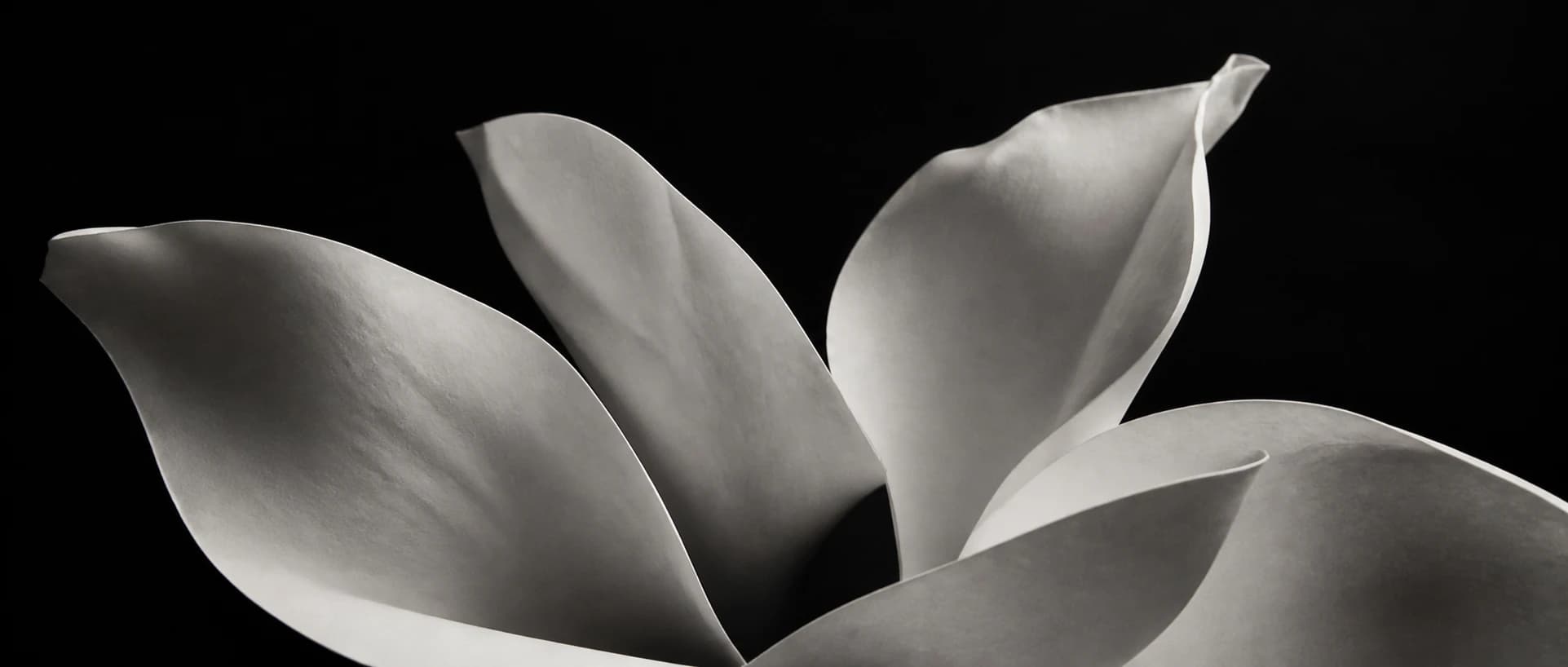

A princess cut typically has pointed corners. A radiant has cropped corners, giving it an eight-sided outline. That is the clearest starting point when you are choosing between these two angular diamond shapes.
The corners and proportions are separate choices. Radiants can be square, and princess cuts can be rectangular. First decide which corner shape you prefer, then look for proportions you like within that shape.
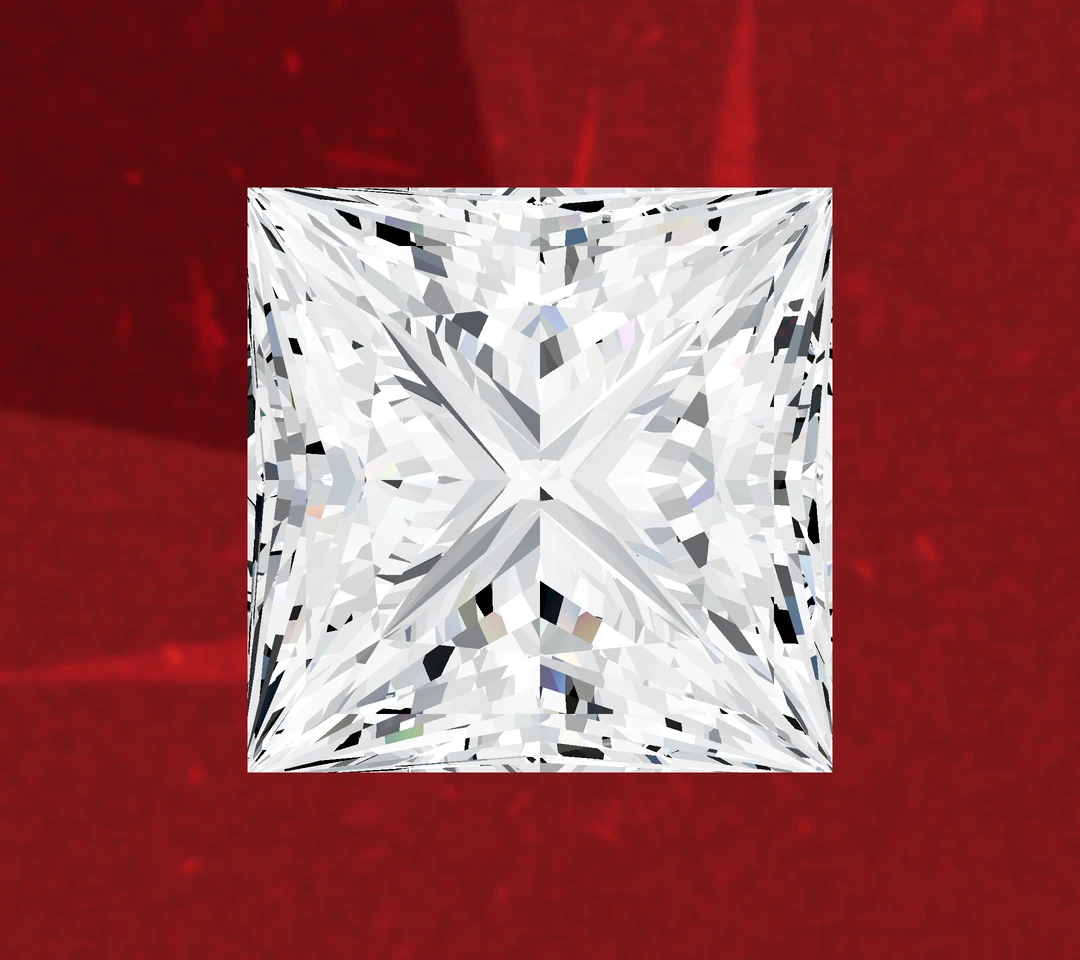
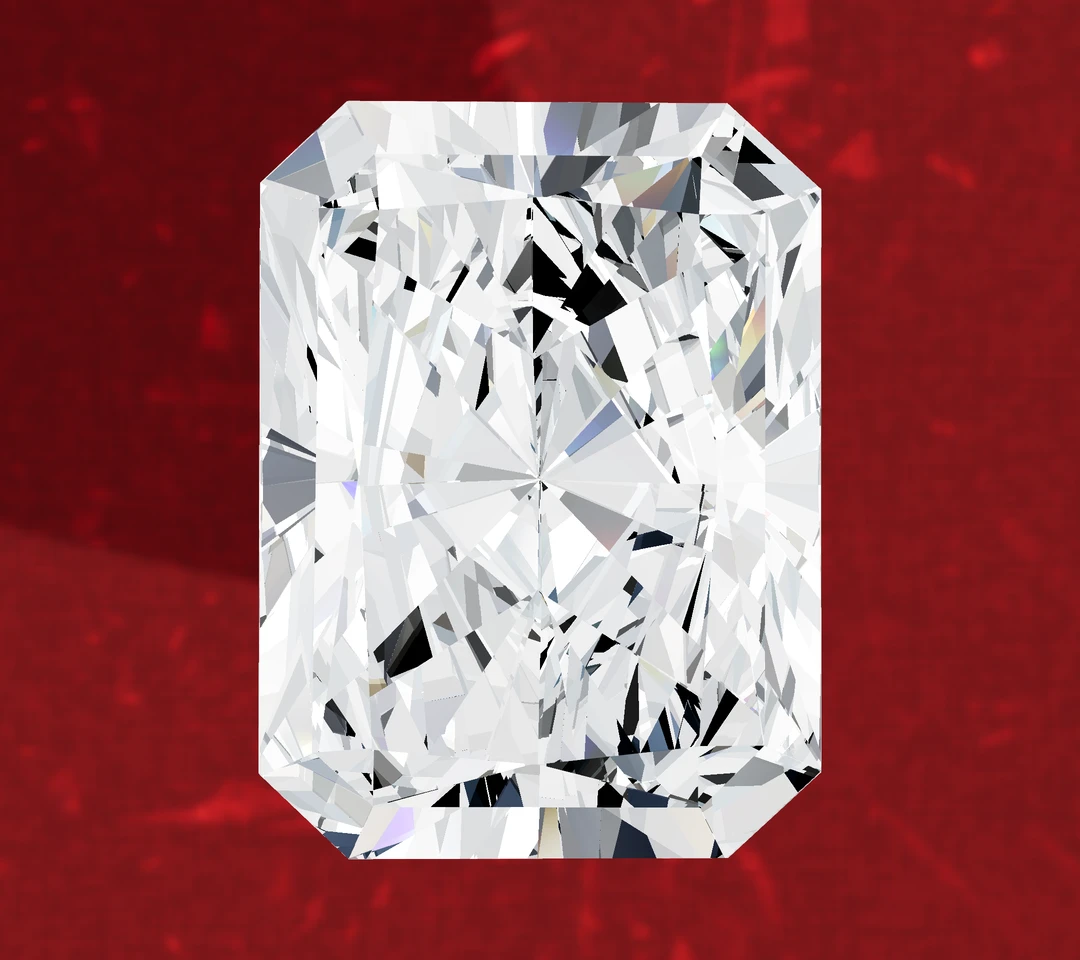
Follow the edge around one corner
Start halfway along a side and follow it towards the next side.
On a princess cut, the sides meet at a point. On a radiant, a short diagonal edge connects them. Follow all the way around a radiant and you can distinguish four main sides and four shorter corner edges. GIA describes this eight-sided outline in its radiant guide.
Look at the diamond's outside boundary, rather than a bright line inside it. An internal facet edge is not the outline of the stone. In a ring photograph, a claw can also cover the very corner you are trying to see.
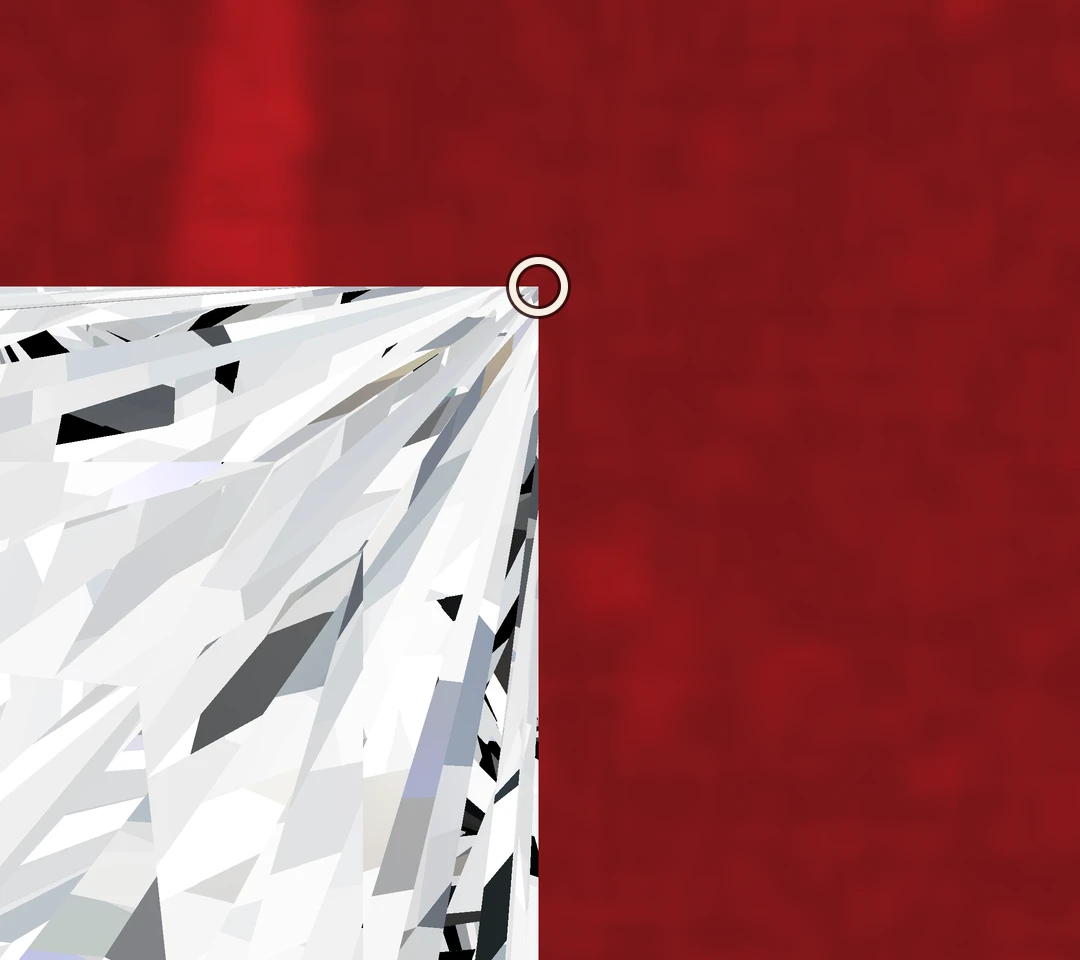
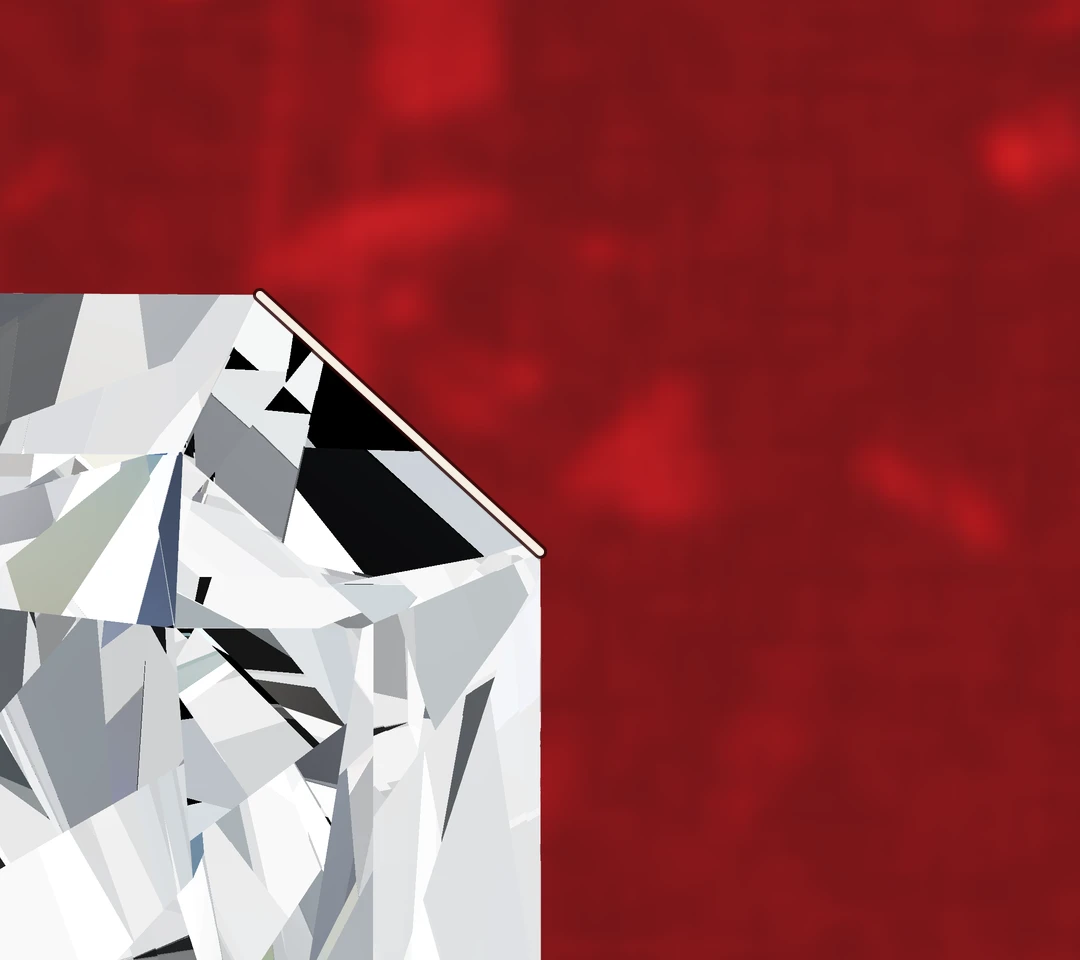
The size of a radiant's cropped corners matters to its appearance too. A short crop leaves more of the square or rectangular outline intact; a longer crop makes the diagonal edge more noticeable. When comparing actual radiants, check that all four corners have the balance you want.
Separate the corners from the proportions
A square radiant still has cropped corners. A rectangular princess still has pointed corners. GIA’s princess guide notes that princess cuts can be rectangular or tapered as well as square.
If you compare a square princess with a long radiant, you are judging two differences together: the corners and the overall proportions. That can be a useful first comparison, but it may leave you unsure which detail you prefer.
Try a more specific shortlist:
- If you like a compact outline, compare a square princess with a square radiant.
- If you like cropped corners, compare square and rectangular radiants before settling on the length.
- If you like pointed corners, ask to see the proportions available in princess cuts.
Use the actual length and width to describe your preference. There is no need to turn it into a universal “ideal” ratio.
Check what remains visible in the setting
Once you have a preferred outline, look at how the setting frames it. A close face-up view shows where the claws sit; an angled view helps distinguish metal from the stone beneath it.
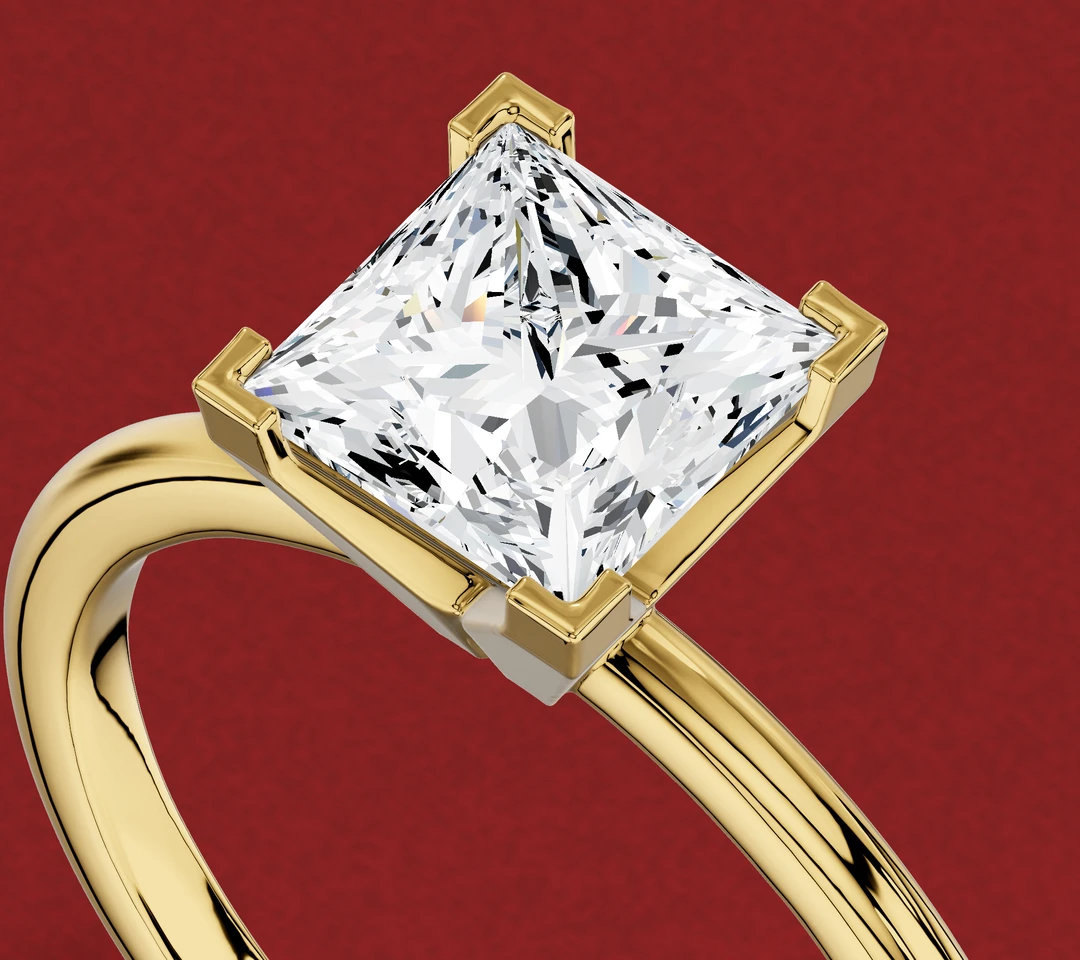
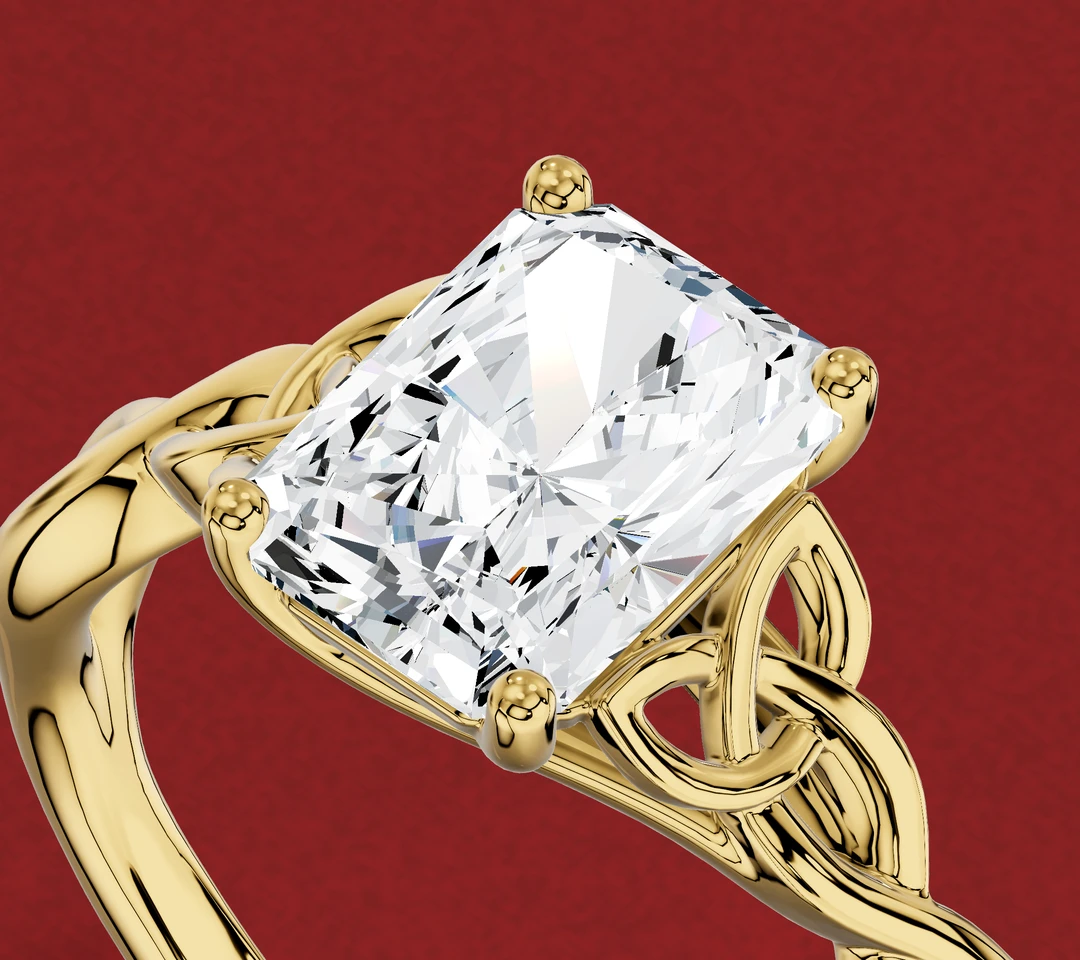
Ask for a loose-stone image as well as the ring view if a corner is hidden. That lets you check the diamond's shape separately from the setting design.
Corner protection also deserves a specific conversation. GIA identifies pointed corners as vulnerable to chipping, and notes that radiant corners need attention too. Ask how the proposed setting supports your chosen stone; cropped corners are not a promise that a diamond cannot chip.
Make the choice in two steps
Choose the outline first: pointed corners or cropped corners, then compact or elongated proportions. Next, compare actual stones in clear face-up photographs and moving video, including the report details for each one.
You can browse princess engagement rings and radiant engagement rings, or send us your shortlist online. Include the corner shape you prefer and the examples you keep returning to. That gives us a clearer starting point than “a square diamond”.
Designed by us in Melbourne, made to order
Lily Dia is a small studio, so every ring is drawn, set and finished for the person wearing it. If this article helped, the collection shows how these choices look on real rings, and you can ask us anything before you decide.
Browse engagement ringsOr ask us a question first