What does cut mean in jewellery?
Last updated 17 October 2026
Cut can describe a gemstone’s cutting style or the quality of its shaping and finish. Shape is its outline, such as round or pear. Cutting style is the arrangement of facets, such as brilliant or step. Cut quality concerns how the design is executed, including proportions, polish and symmetry. These meanings are related, but they are not interchangeable.
Princess
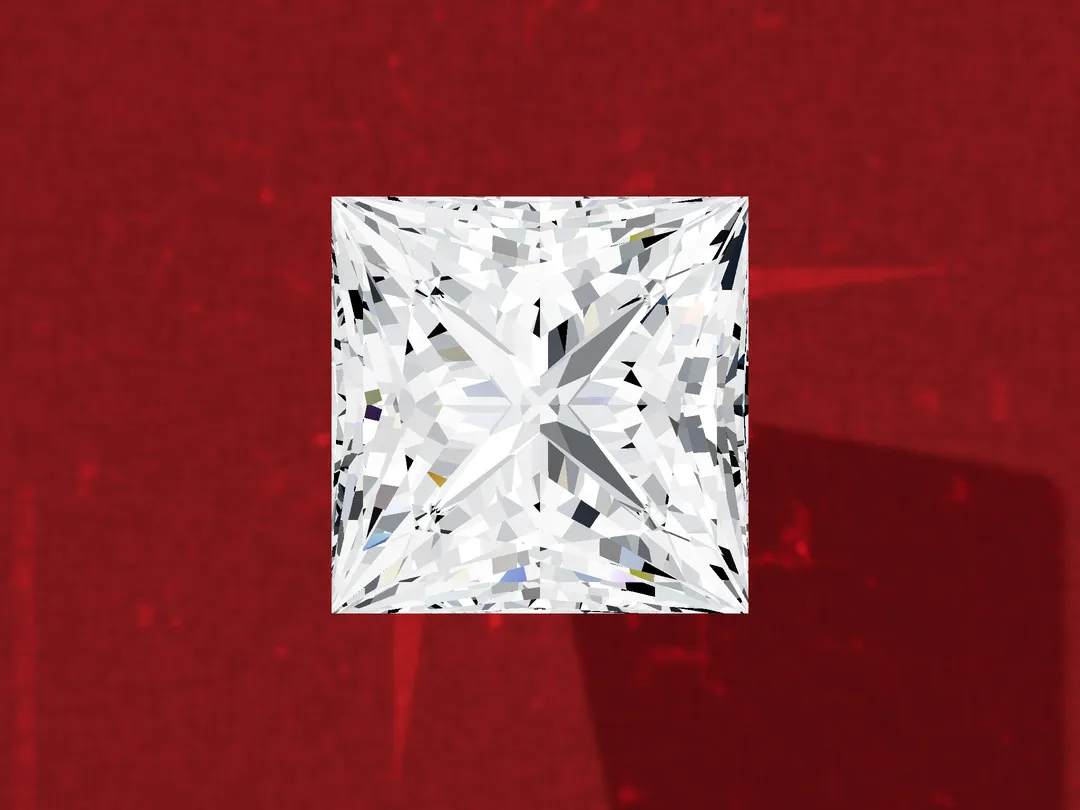
Square shape, brilliant cutting style.
Asscher
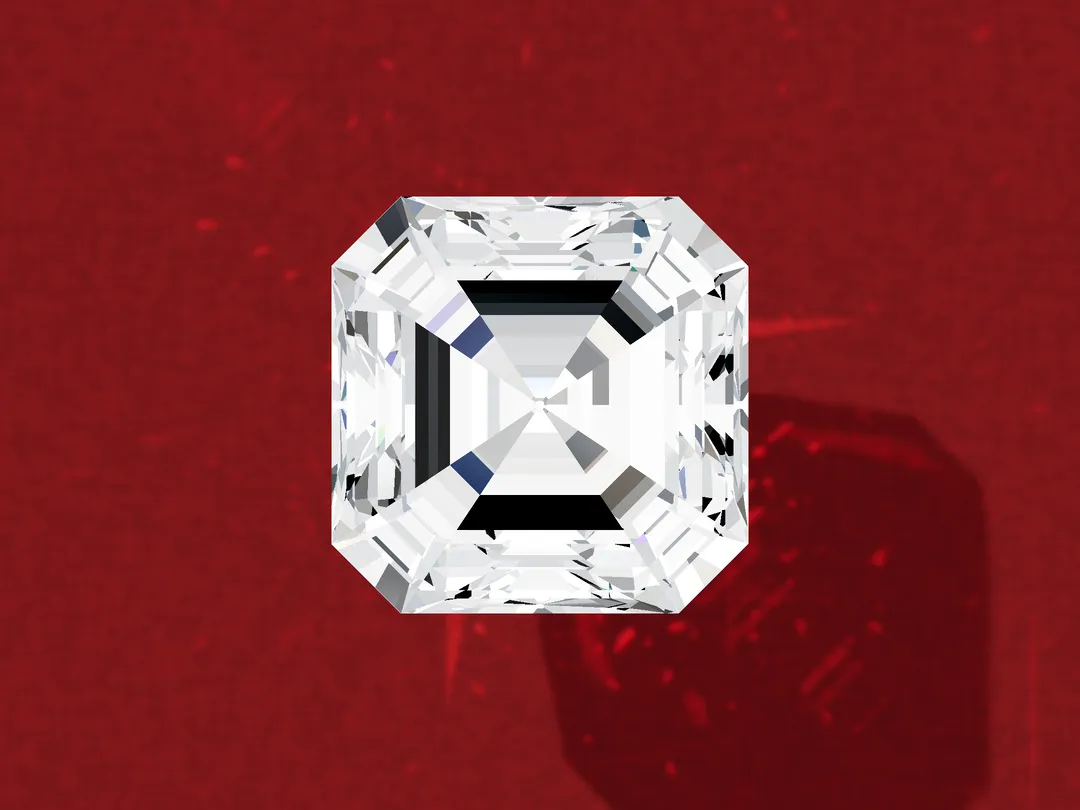
Square shape with cropped corners, step cutting style.
Frequently asked questions
- What is the difference between cut and shape in a diamond?
- Shape is the outline seen from above, such as round or pear. Cutting style describes the facet arrangement, such as brilliant or step. Cut quality concerns the proportions and finish. An outline alone does not establish quality.
- Why does cut quality matter?
- Cut quality strongly influences a diamond’s brightness and sparkle, which makes it an important consideration. It should still be assessed alongside colour, clarity and size: one favourable cut description cannot make every other characteristic irrelevant.
- Does “ideal cut” have one universal meaning?
- No. The term depends on the laboratory or seller using it. Ask which grading system and criteria support the description. It is not a promise that all incoming light returns to the viewer.
Shop lab-grown diamond engagement rings
Browse our lab-grown diamond engagement rings, each made to order in Melbourne in your choice of gold or platinum.
Shop lab-grown diamond engagement ringsTalk through cut with us
Tell us what you have in mind, even if it is only a budget and a piece of jewellery type, and we will help you weigh up the options. We reply to every enquiry, usually within one business day.
Contact the studio