Can You Redesign or Reset an Engagement Ring? What to Know Before You Change It
Yes. A diamond can be reset into a new setting and a ring can be redesigned. How it works, the risks to the stone, reusing old gold and what to check first.
14 insights found
Yes. A diamond can be reset into a new setting and a ring can be redesigned. How it works, the risks to the stone, reusing old gold and what to check first.
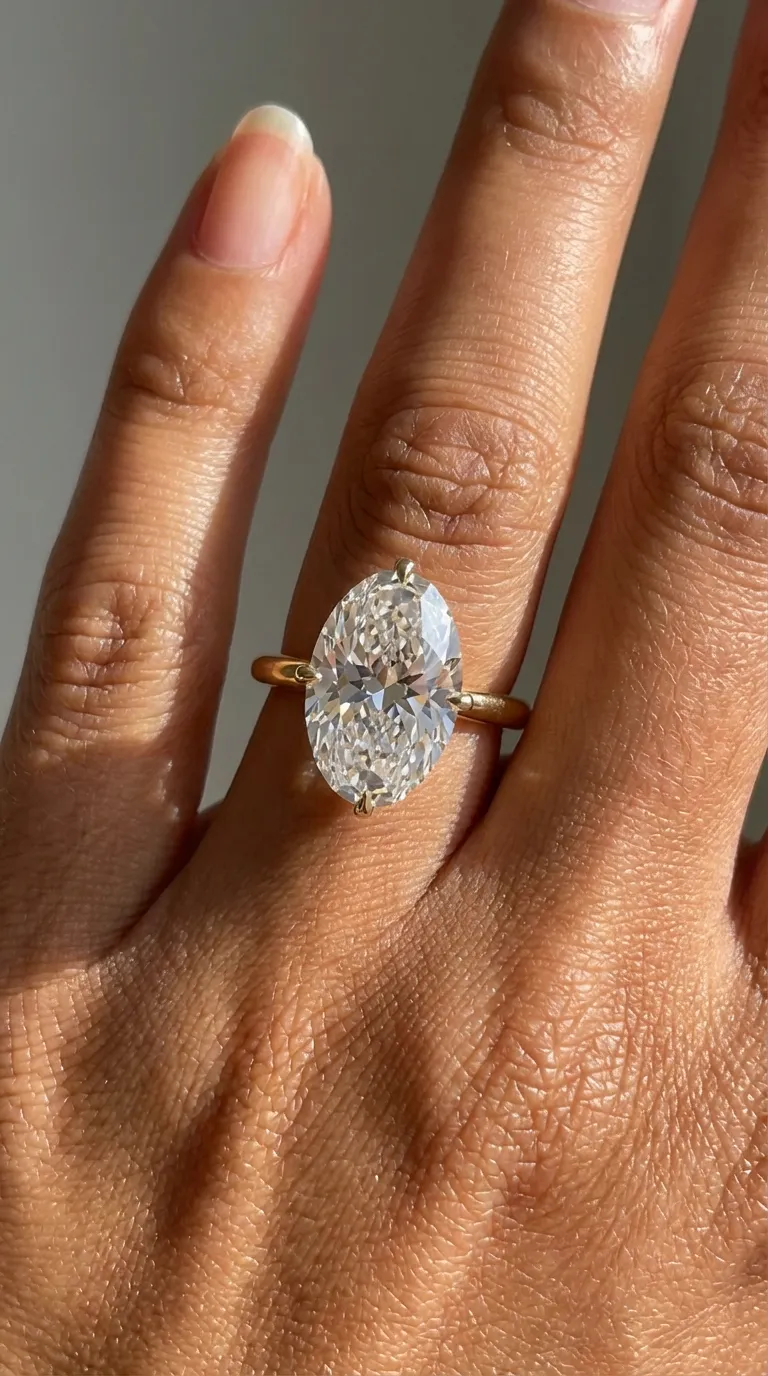
Larger fingers carry substantial rings beautifully; the mistake is going too delicate. Elongated shapes (oval, emerald, pear) at 1.5 carats and up, bands from 2.3mm, and halo or three-stone settings all sit in proportion. Very thin bands and small solitaires are the ones to avoid.
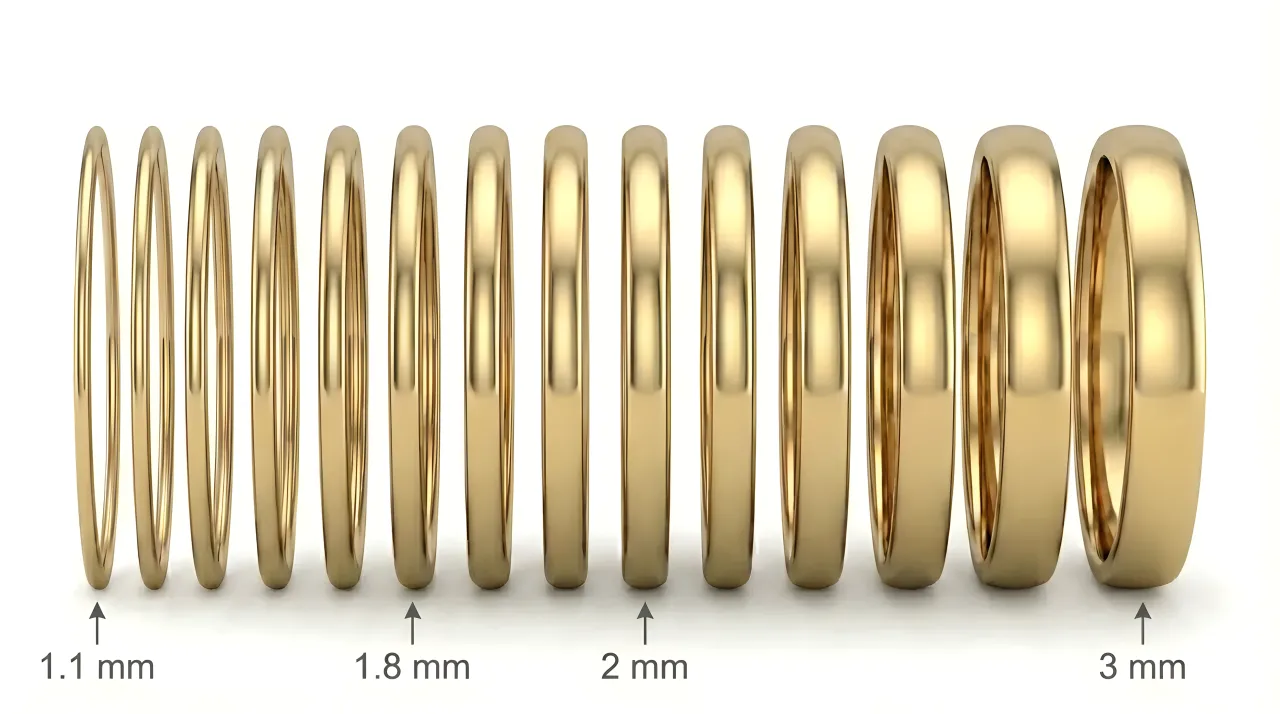
A 2.5mm band reads structured and still lets the stone lead; a 3mm band becomes part of the statement. The 0.5mm gap is one of the most visible width steps in ring design. Here is how each wears, stacks and resizes, and which one suits an engagement ring versus a standalone wedding band.
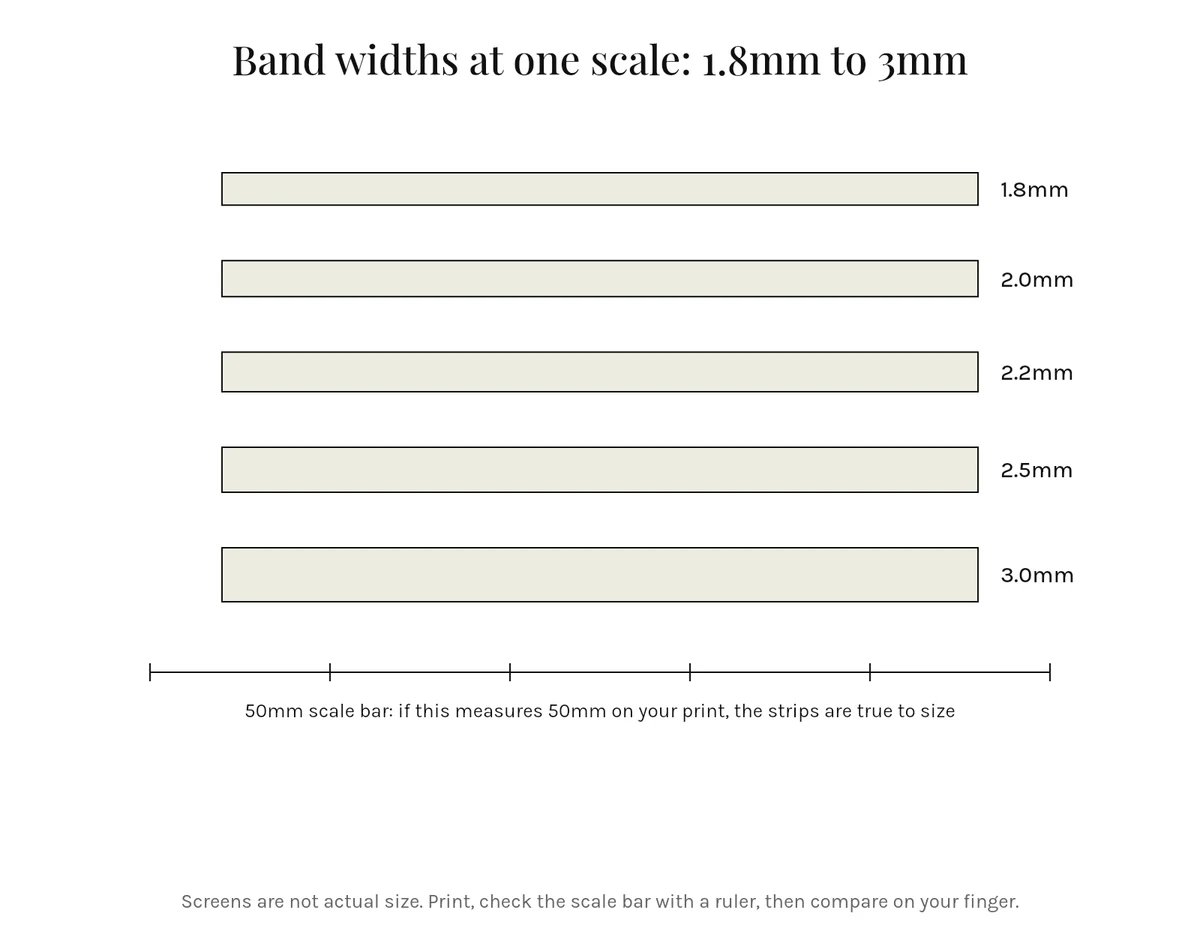
Smaller AU ring sizes usually carry 1.8mm to 2mm best, average sizes 2mm to 2.5mm, and larger sizes 2.5mm to 3mm, then finger length, hand breadth, stone size and the wedding band you plan all shift the answer. Here is the full matrix, plus a printable width strip so you can check on your own hand.
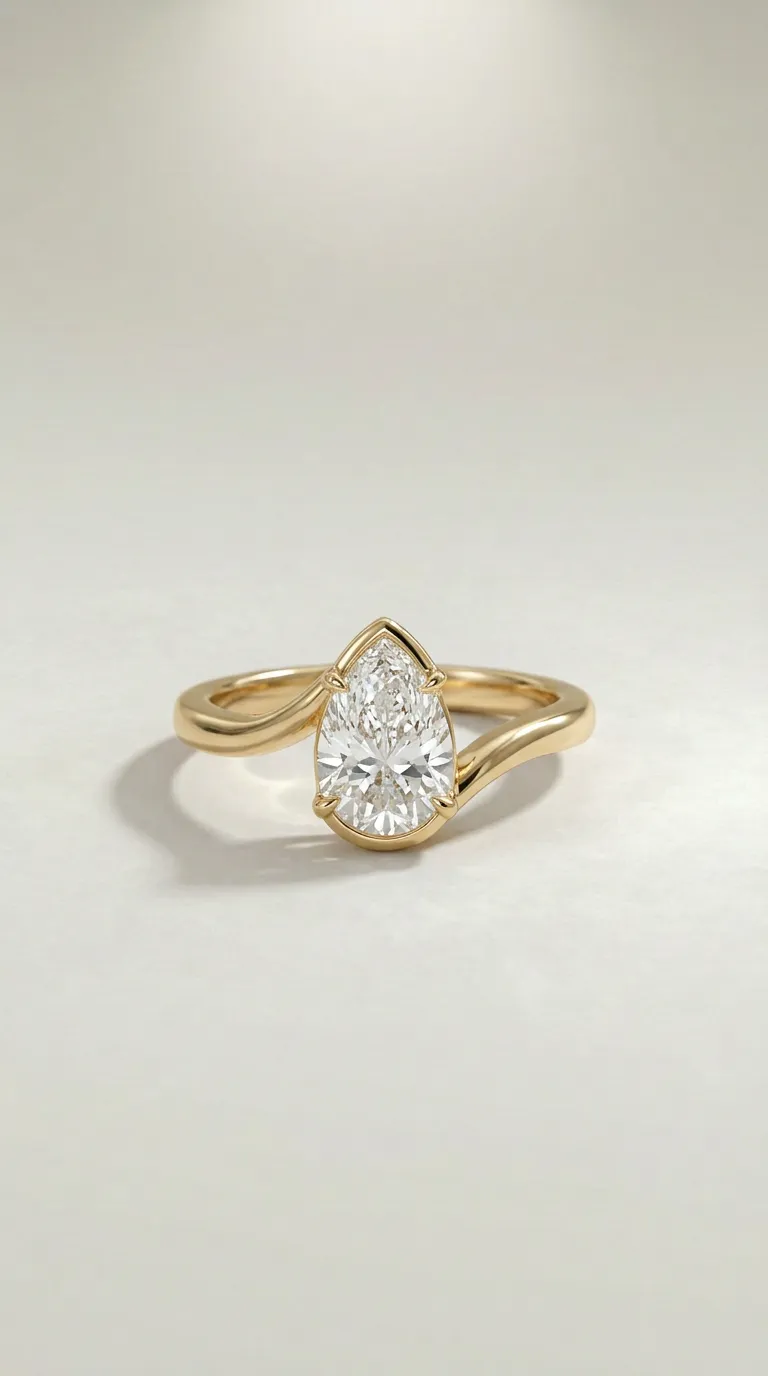
Snagging, uneven prongs, prongs too clunky for the stone, and prongs too thin to hold it. Four prong problems worth catching the day your ring arrives, plus what is normal wear versus what is a defect that needs fixing.
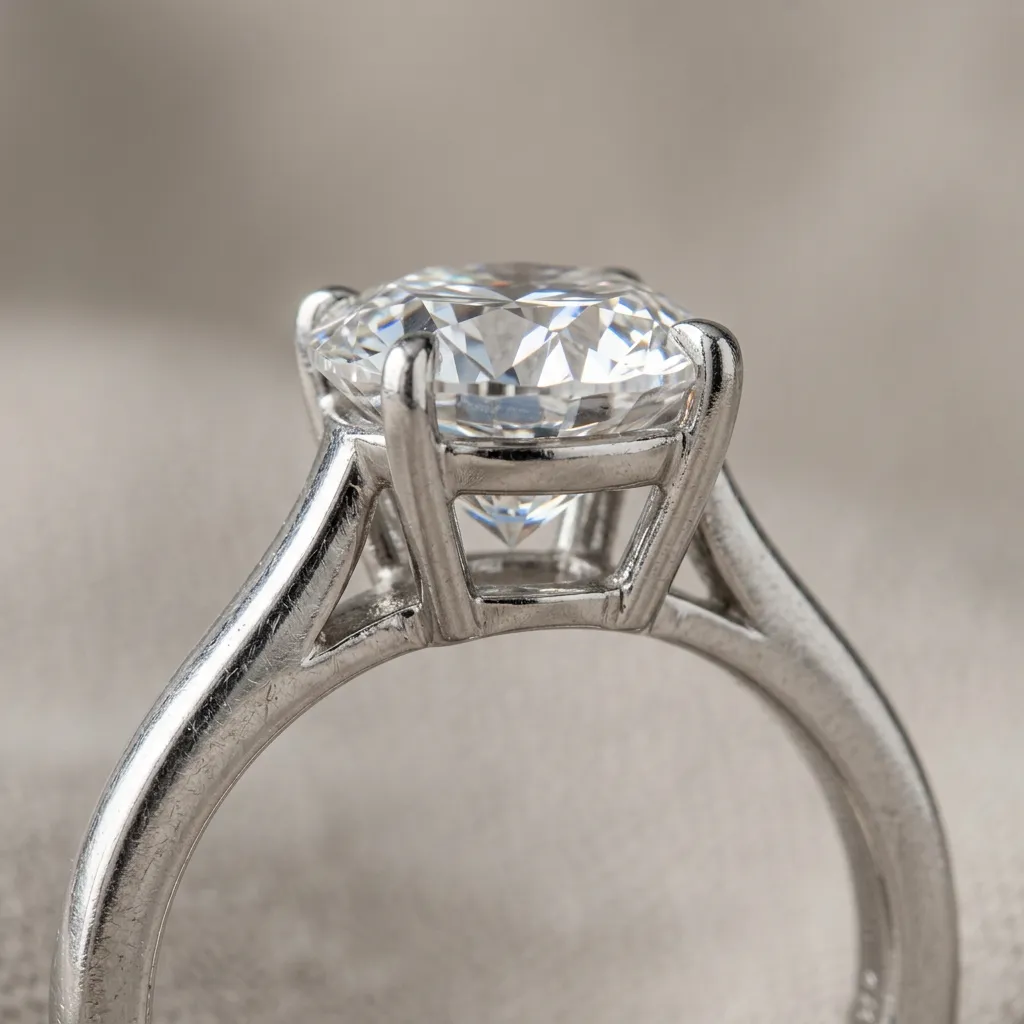
Bezel is the safest setting, but it is not for everyone. A low-profile basket setting with an integrated head in platinum is the next best thing: secure, snag-resistant, and beautiful. Here is how to pick a setting that holds the stone well without committing to a bezel.
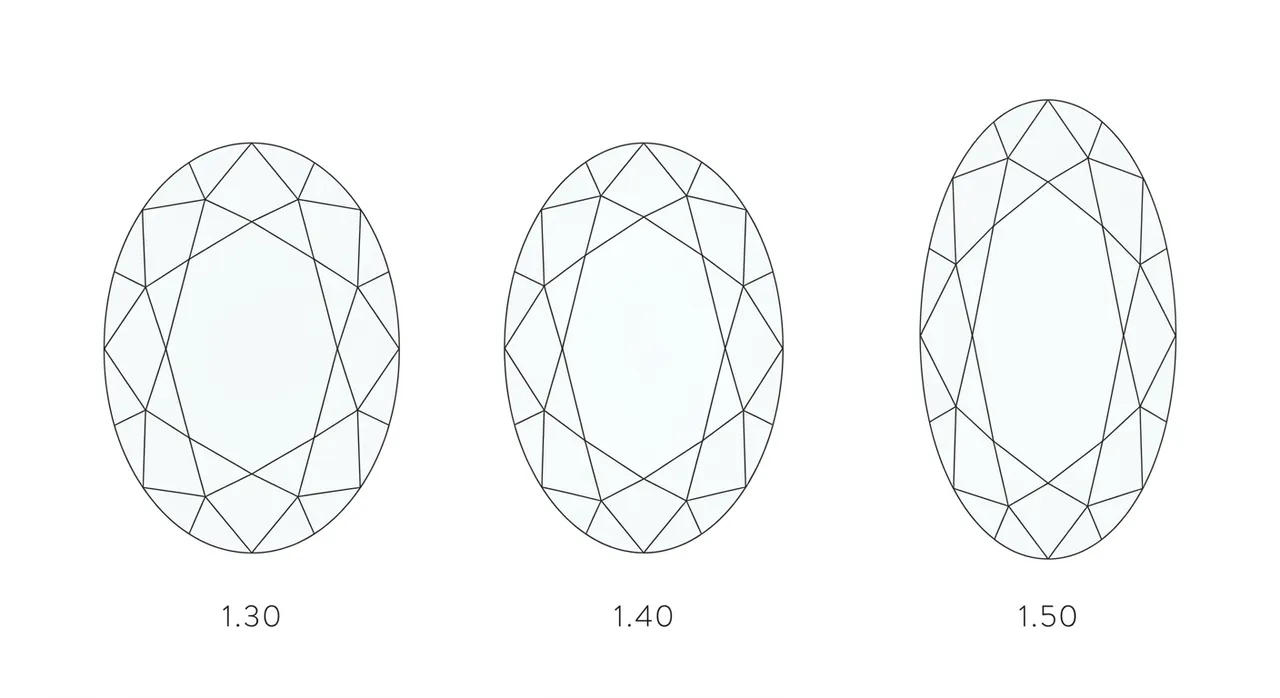
Four things most people learn about oval diamonds after they buy: ovals look bigger for their carat weight, no certificate grades the cut quality, clarity is the safer place to compromise rather than colour, and the length-to-width ratio decides the look of the whole stone.
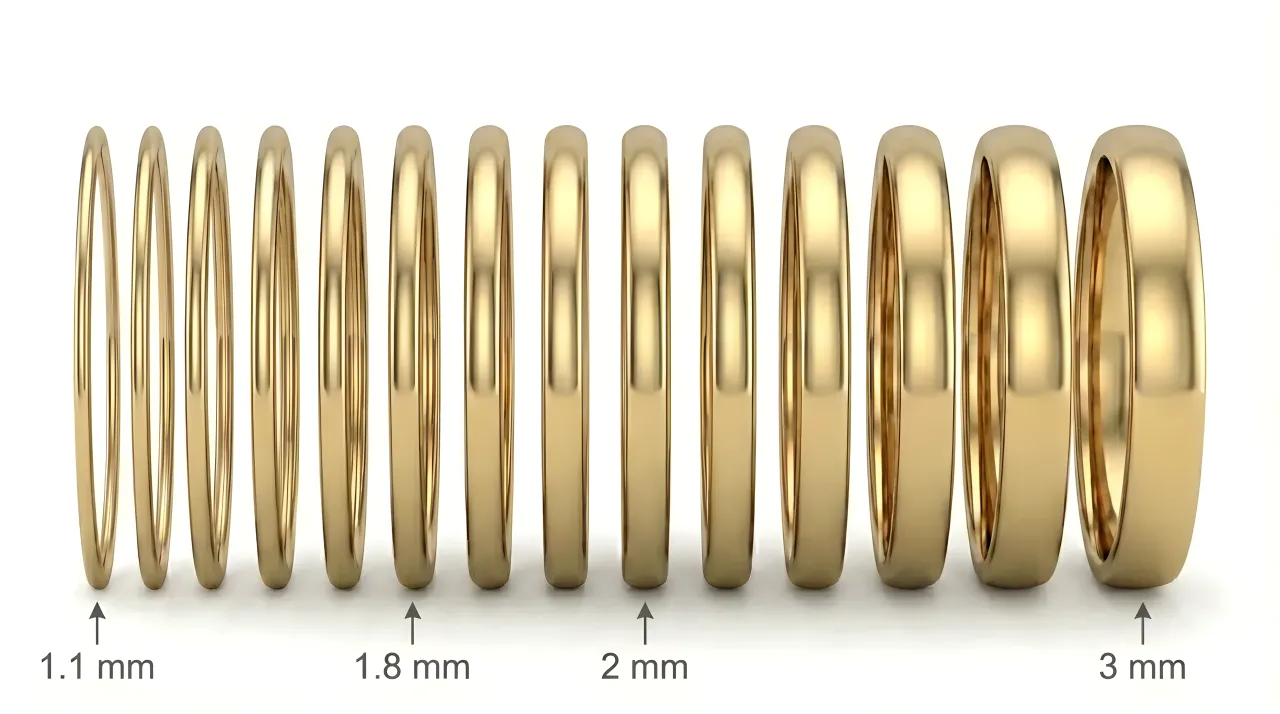
Yes, 1.5mm is too thin for a daily-wear engagement ring in gold. It bends with normal wear and re-shanking becomes a matter of when, not if. 1.8mm is the safe floor, 2mm is the comfortable choice, 2mm and wider is the minimum for pave.
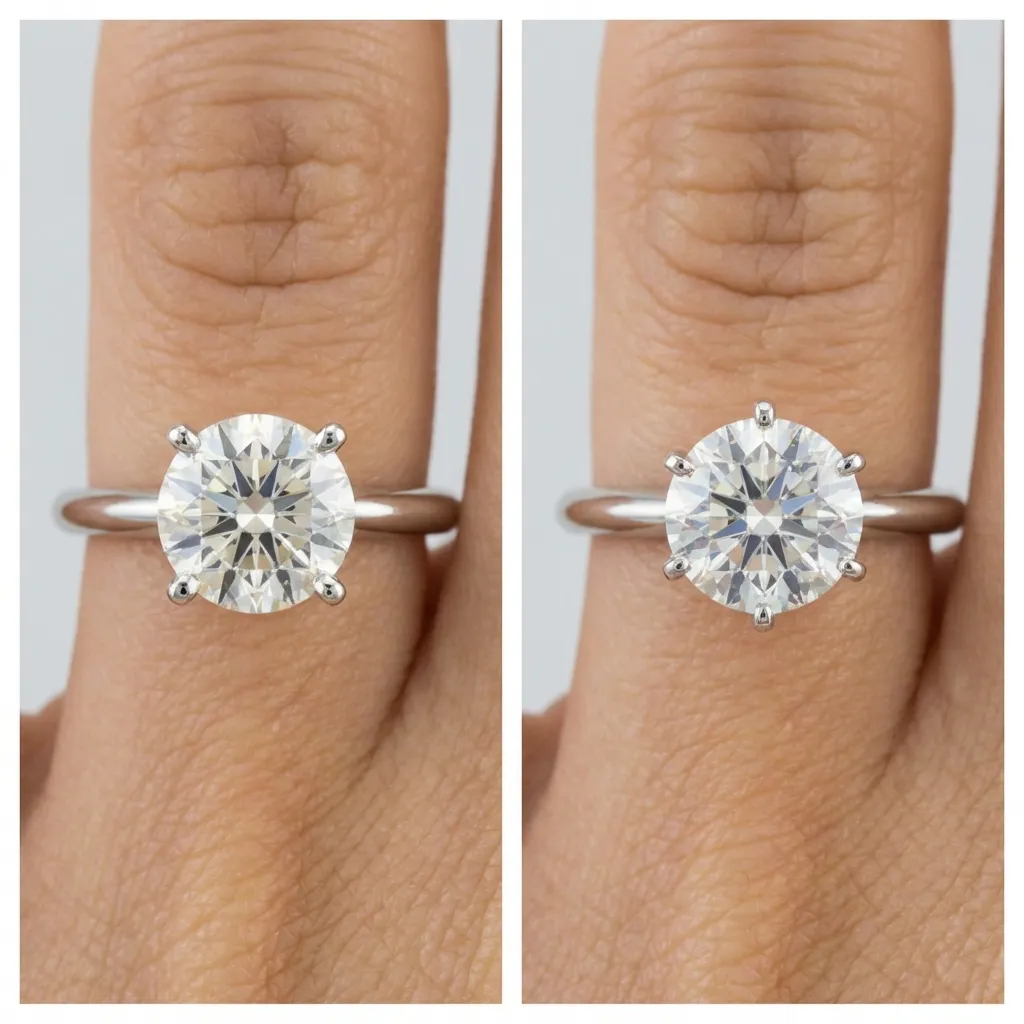
Four prongs are enough for almost every engagement ring under 2 carats, as long as you get them checked once a year. Where it stops being enough is large stones, ovals over 1.5 carats, and very active hands.
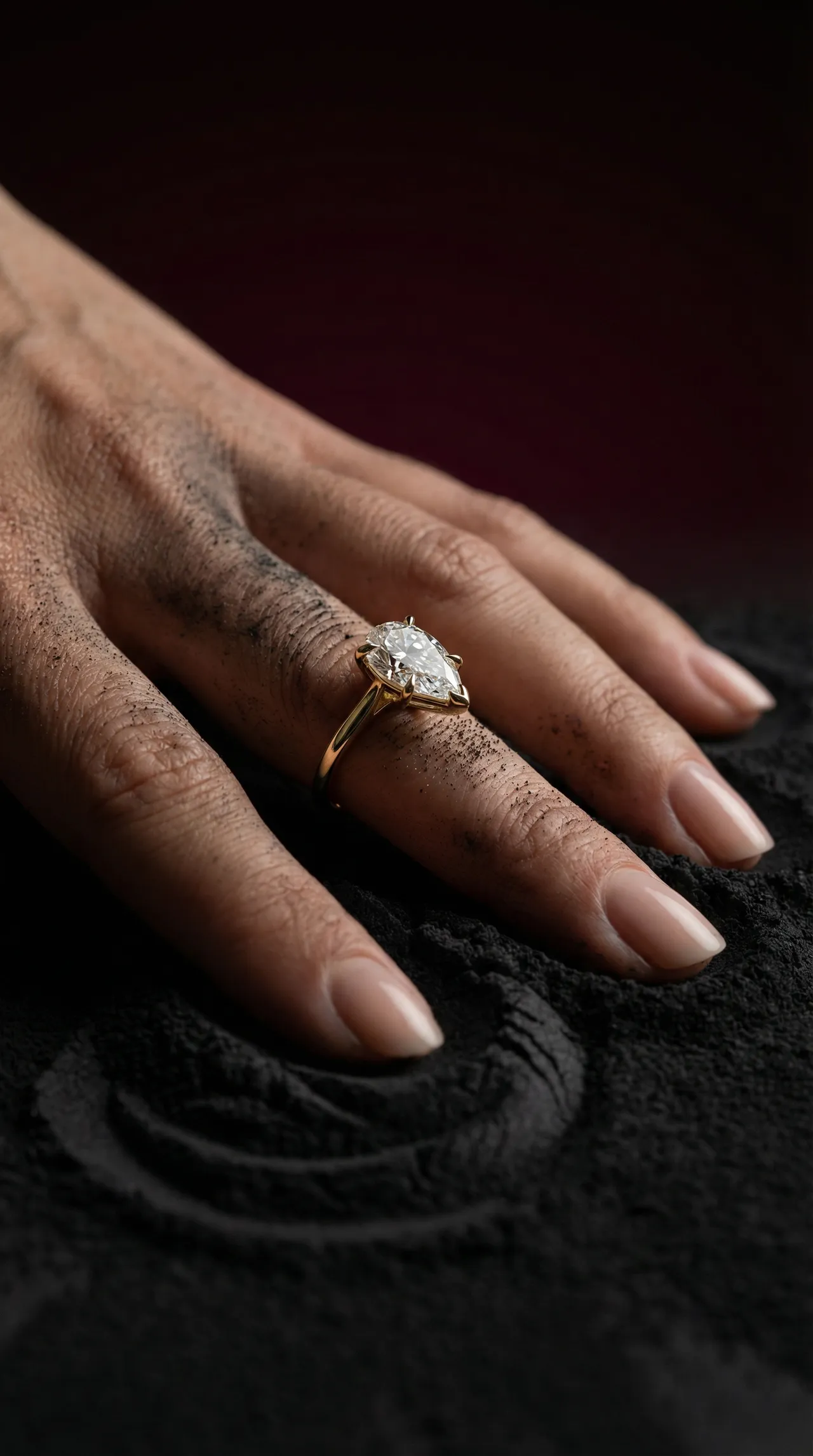
Long, slim fingers carry almost any engagement ring well, but elongated shapes (oval, marquise, pear, emerald) flatter the most. Bulky rings work too. Round and square sizes need to sit at 1ct or above so the stone does not look small. Here is the full breakdown.
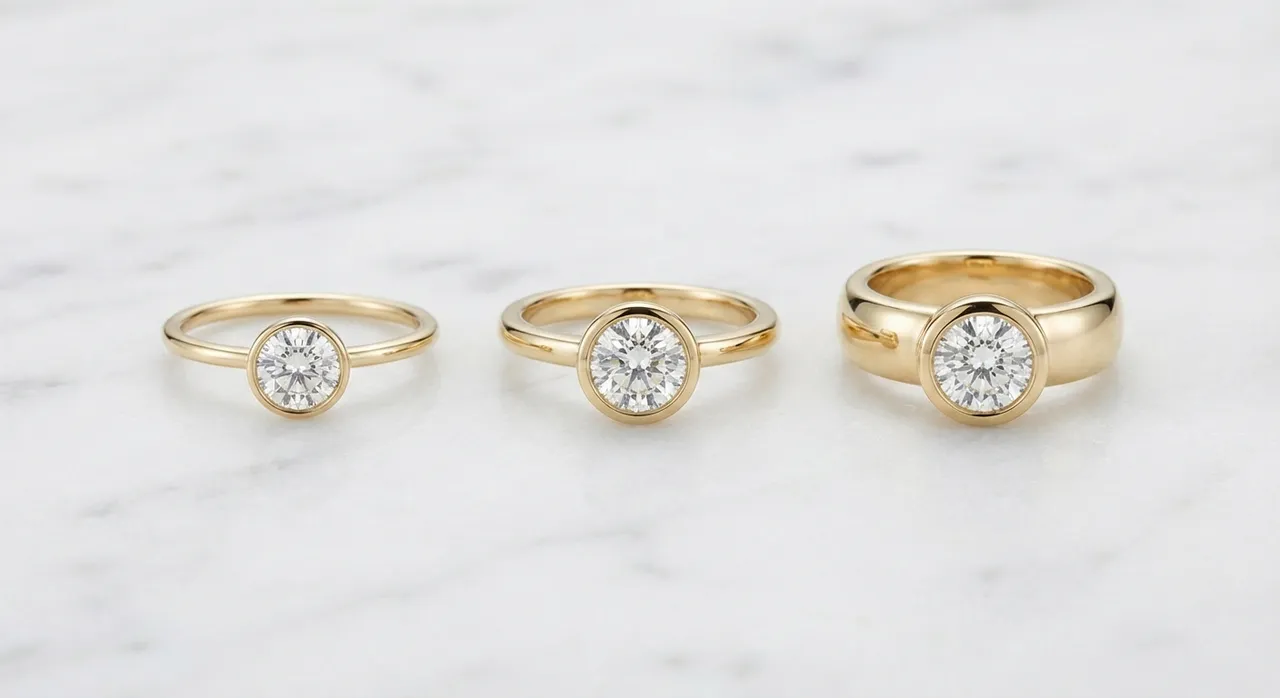
Most engagement ring bands sit between 1.6mm and 3mm. 1.8mm reads delicate, 2mm is the most common, 2.5mm is structured, 3mm reads bold. Here is how each width looks on the finger, stacks with a wedding band, and holds up to daily wear.
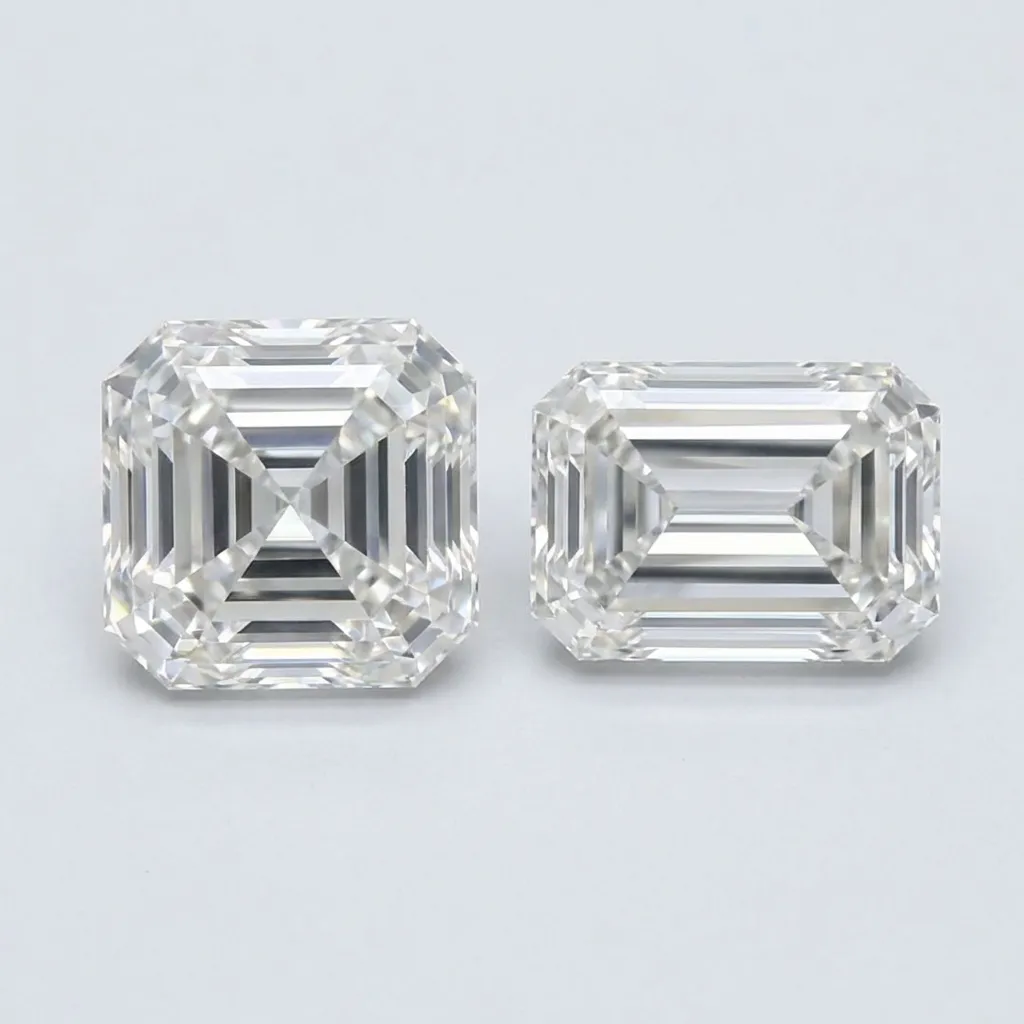
Both are step cuts from the same family. An emerald is rectangular and elongates the finger. An asscher is square with deeply cropped corners and a hall-of-mirrors look. Here is how to pick, and how an asscher differs from a square emerald.
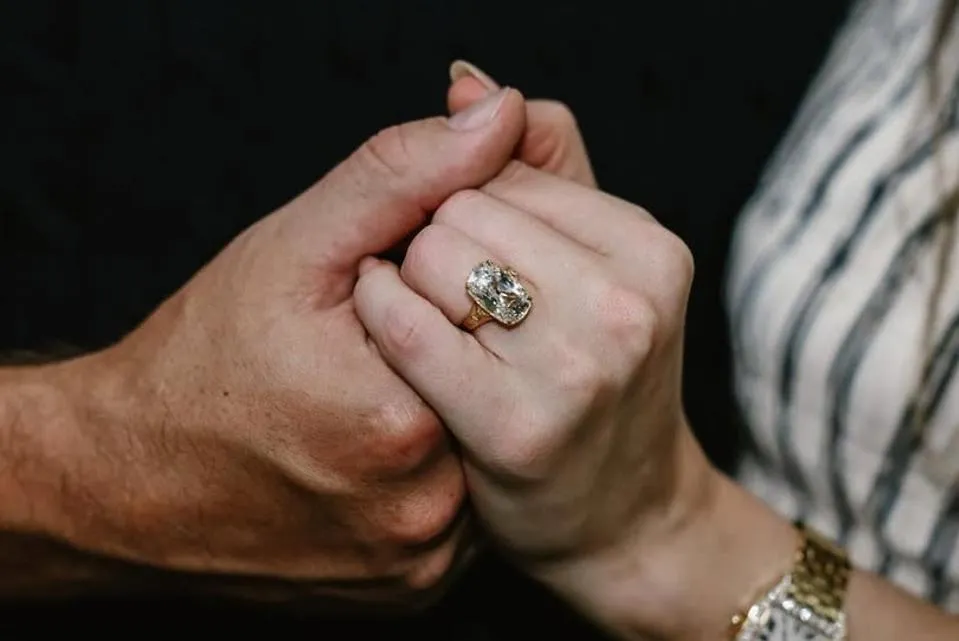
Taylor Swift's engagement ring from Travis Kelce is an 8-carat old mine cut diamond in a hand-engraved yellow gold setting by New York jeweller Kindred Lubeck of Artifex Fine Jewelry. Industry experts have valued it between $550,000 and $1 million USD.
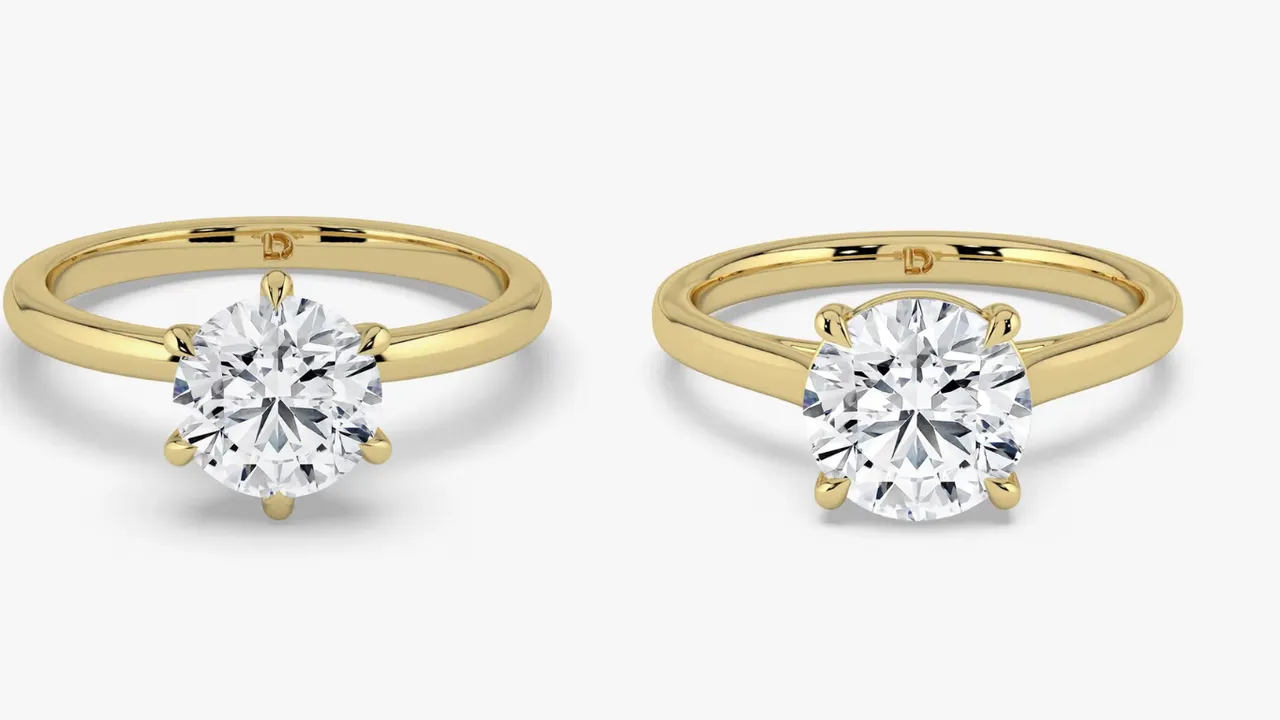
Six prongs are slightly more secure; four prongs let in more light and read more modern. For most stones under 2 carats either is safe with annual checks. Here's how to choose based on stone size, shape, and how you actually live.
Discover insights across all areas of fine jewellery, from design trends to technical innovations and sustainability practices.