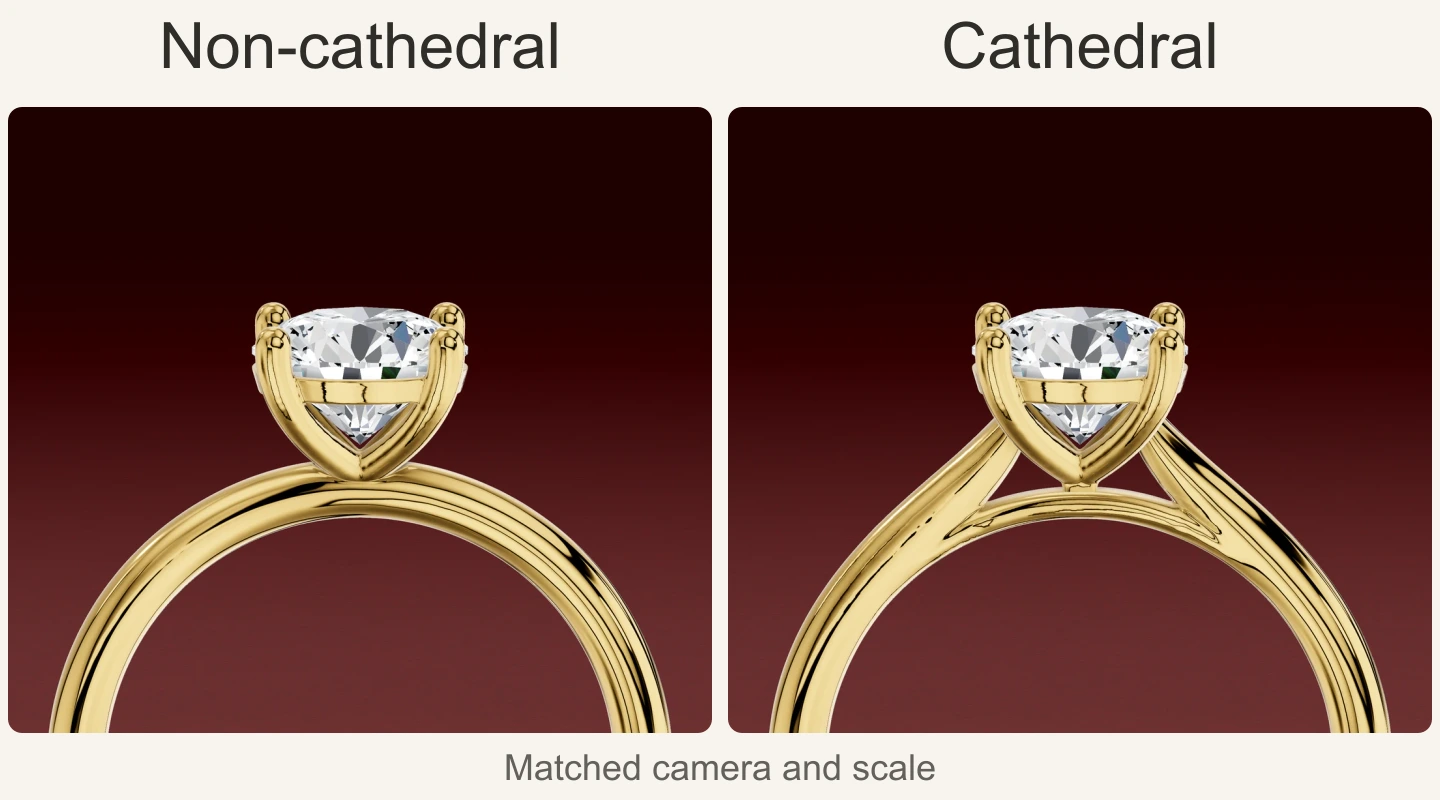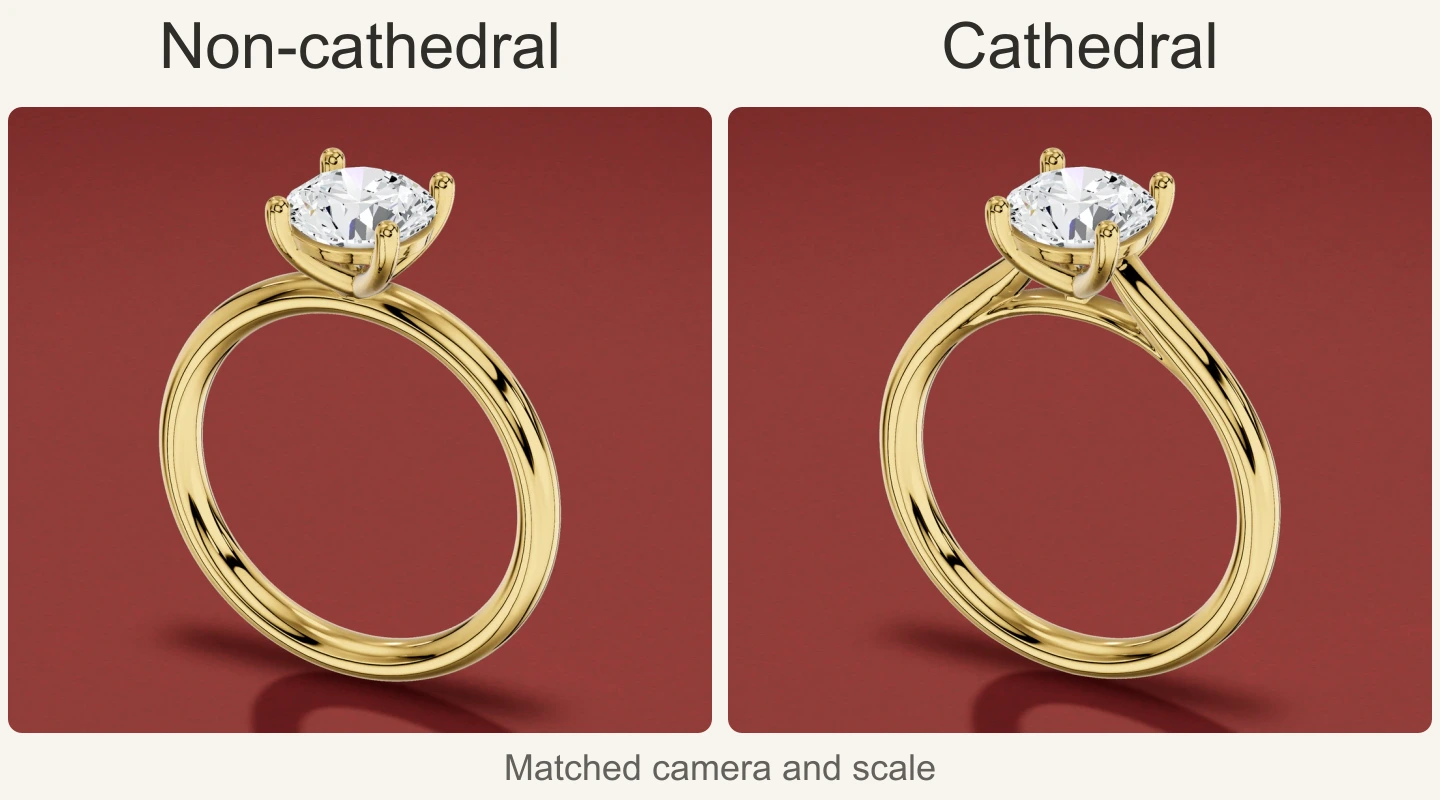


A cathedral setting has metal shoulders that rise towards the centre setting. A non-cathedral design leaves out those rising arches. If you are deciding between them, start with the side profile, then check the actual height and wedding-band fit of your chosen ring.
Choose cathedral shoulders if you like the band sweeping up towards the stone. Choose a non-cathedral design if you prefer a simpler transition between the band and head. Neither label gives you a complete answer about comfort, strength or how a wedding band will sit.
First, compare the shoulders
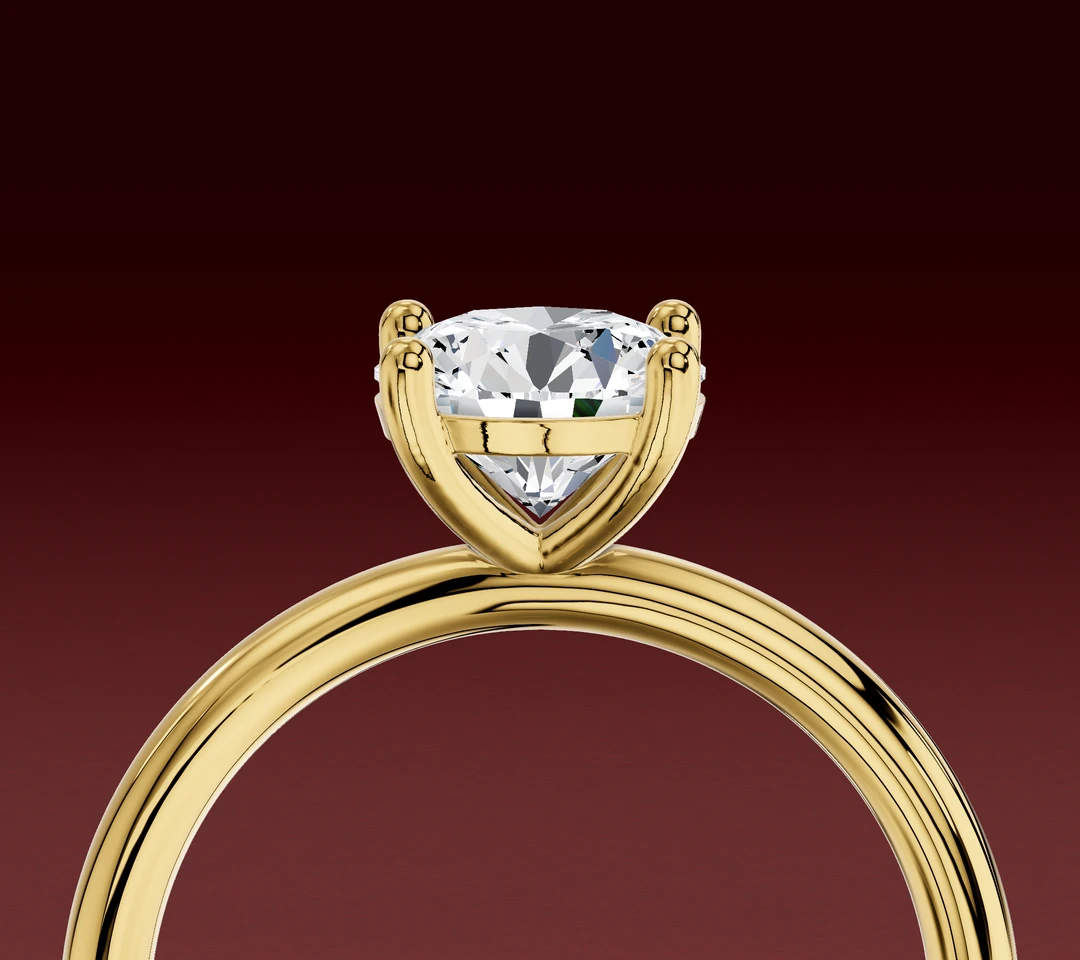
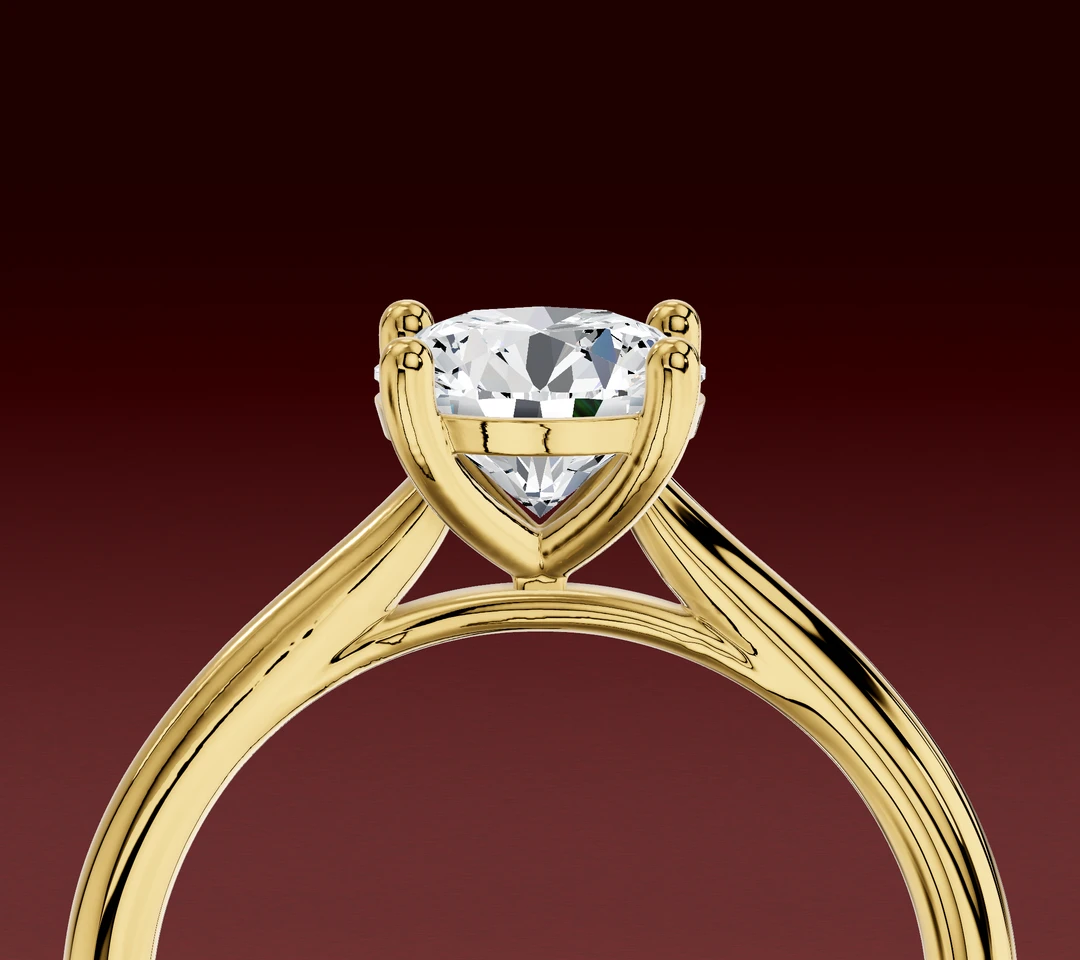
The shoulders are the parts of the band beside the centre setting. In a cathedral design, they rise in arches towards it. The GIA guide to ring settings distinguishes these shoulders from the head that holds the gemstone and the shank that wraps around your finger.
For the broader definition and design variations, see our cathedral setting guide. Here, the useful question is what changes when you compare two otherwise similar rings.
Look at three things in a side view:
- Where does the band begin to rise?
- Where do the shoulders meet the centre setting?
- How much open space can you see between the band and head?
Then turn the ring towards a three-quarter view. This helps you follow the shoulder into the head instead of judging the design from a single outline. A straight-on photograph can hide a connection behind the stone or prongs.
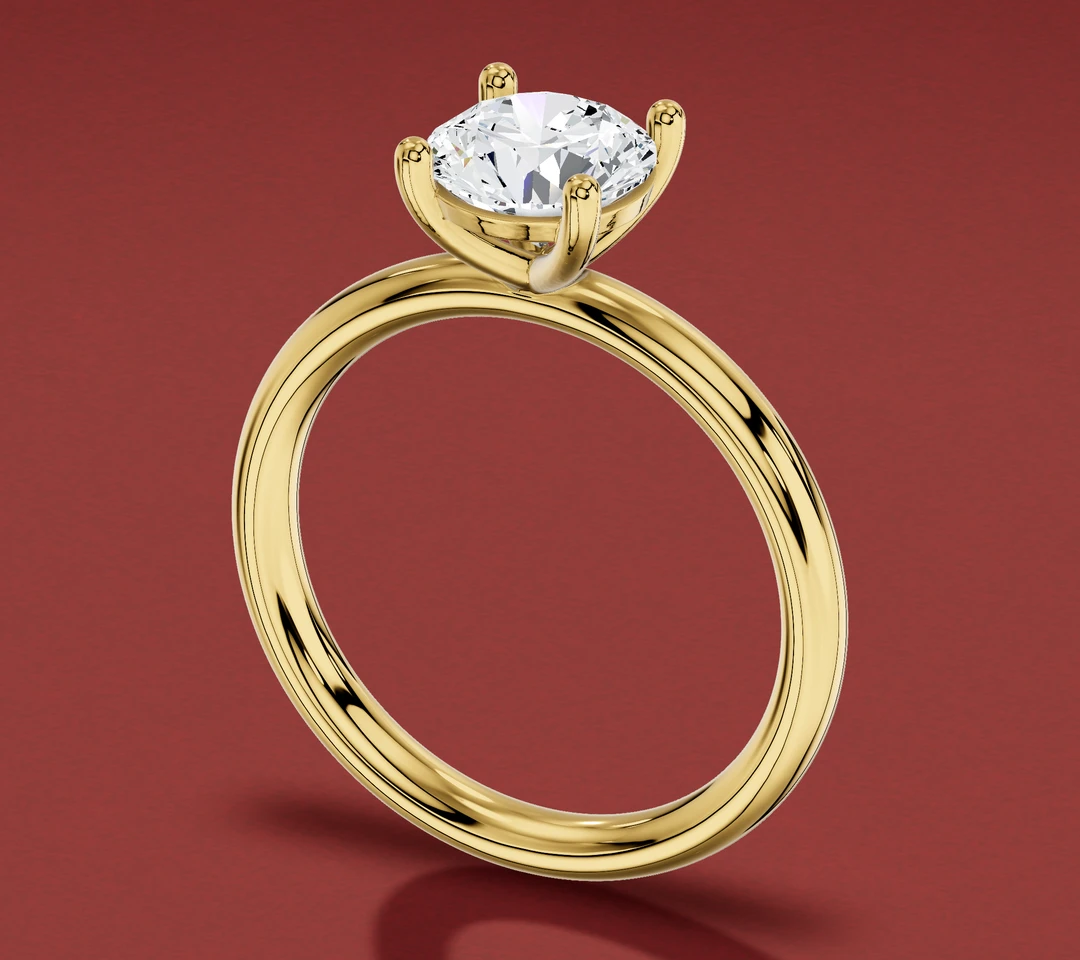
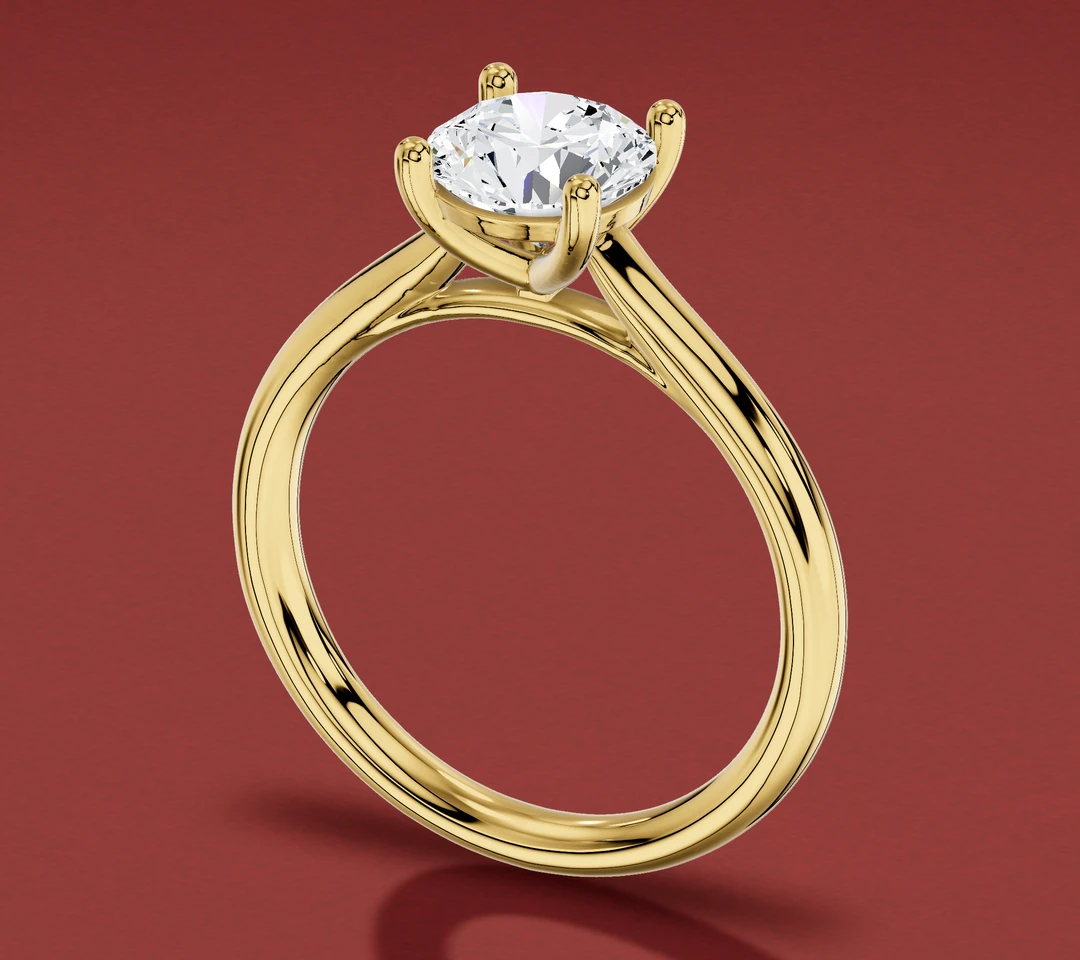
Cathedral and solitaire describe different choices
You can choose a cathedral solitaire. Solitaire describes a single-stone design; cathedral describes the rising shoulders. GIA includes cathedral among the setting styles used for diamond solitaires.
Likewise, a basket is the structure around and below the stone. A ring can have a basket and cathedral shoulders together. When someone offers you “cathedral or basket”, ask to see the two actual designs. The names alone may hide several differences.
Try to compare rings with the same stone outline, a similar band and the same type of head. If one also has a halo, a wider band or a different stone, you may be responding to those changes as much as to the shoulders.
Does cathedral mean a higher ring?
Cathedral designs often have an elevated profile, but the label does not specify a height in millimetres. Non-cathedral rings can also have a raised head. Judge the finished design rather than assuming that removing the arches makes it low-set.
Ask the jeweller for a side drawing with an agreed height measurement, such as the distance from the top of the finger opening to the highest point of the ring. Make sure both options use the same reference points. A height measured from the bottom of the ring is a different measurement.
If you wear gloves or dislike a prominent setting, tell the jeweller that before approving the design. GIA notes that high-profile rings can be more prone to catching.
Are cathedral settings stronger?
Arched shoulders can add support to the centre setting. That does not establish that every cathedral ring is stronger than every non-cathedral ring. GIA describes the supports as a potential source of additional stability in its setting guide.
For a particular ring, ask how the head connects to the band, whether the shoulders form a structural connection, and what the jeweller recommends for your stone and intended wear. Strength also depends on the materials and workmanship of the finished ring.
Which works better with a wedding band?
Either design needs a fit check with the band you want to wear. The underside of the centre setting, the shoulder shape and the wedding band's profile all matter. Open space in a side photograph is a useful clue, but it does not prove that another ring will fit there.
If you already own a wedding band, share clear photos and its dimensions so the pairing can be assessed. If both rings are being designed, ask to see them together from above and from the side. Confirm whether you want them to meet closely, have a deliberate gap or use a shaped band.
For the practical options when a gap already exists, read why a wedding band does not sit flush. Band proportions are a separate choice covered in our engagement ring band-width guide.
A simple way to choose between two designs
Save one cathedral example and one non-cathedral example, preferably with a similar centre stone. For each, collect a top view, side view and three-quarter view.
Start with the appearance. Do you like a continuous sweep of metal towards the stone, or a more separate-looking head and band? There is no need to justify that preference with a claim that one style is universally better.
Next, ask the jeweller to check the practical details:
- What is the finished height, and how has it been measured?
- Which parts support the head and secure the stone?
- How will this exact wedding band sit beside it?
- Can the design be adjusted without changing the features you like?
If you prefer the arches but want a less prominent ring, discuss the proportions rather than ruling out cathedral shoulders immediately. If you prefer the non-cathedral silhouette, ask the same construction questions you would for the cathedral version.
You can explore cathedral engagement rings, or send us the two designs you are comparing. Include the side views and tell us what matters most to you.
Quick questions
Can a cathedral ring have a plain band?
Yes. Cathedral refers to the rising shoulders. A plain band keeps attention on their outline.
Is every non-cathedral setting a peg head?
No. Non-cathedral is a broad description for designs without cathedral arches. Ask how the particular head is built and attached.
Will the cathedral version make the same diamond sparkle more?
Choose the shoulders for how they look. Sparkle comes from the diamond itself, so assess the actual stone rather than expecting the shoulders to add brilliance.
Designed by us in Melbourne, made to order
Lily Dia is a small studio, so every ring is drawn, set and finished for the person wearing it. If this article helped, the collection shows how these choices look on real rings, and you can ask us anything before you decide.
Browse engagement ringsOr ask us a question first