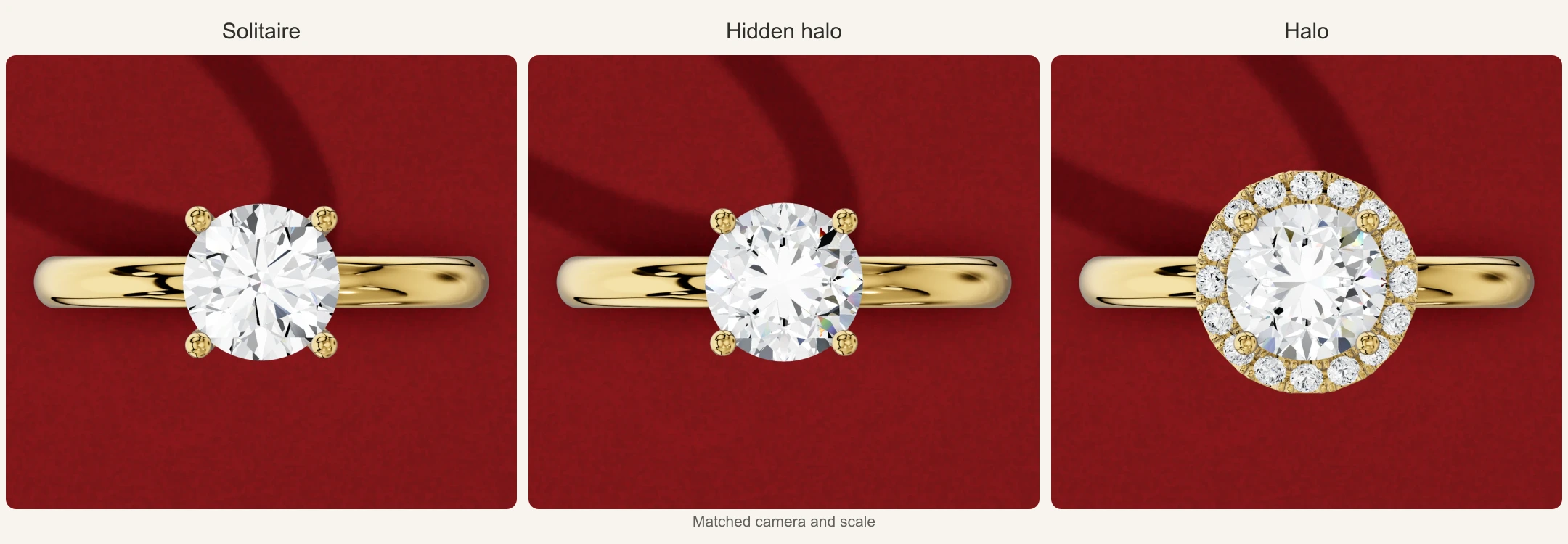

Choose a solitaire if you want the centre stone to lead the design. Choose a hidden halo if you like small-stone detail beneath the centre. Choose a halo if you want that detail to frame the stone from above. The useful comparison is what you see from the top, the side and an angle.
A single front-facing photograph can leave two of these rings looking surprisingly similar. Turn them sideways and the choice becomes clearer. Before you decide, compare where the detail sits, how the setting rises from the band and which parts of the ring you enjoy looking at most.
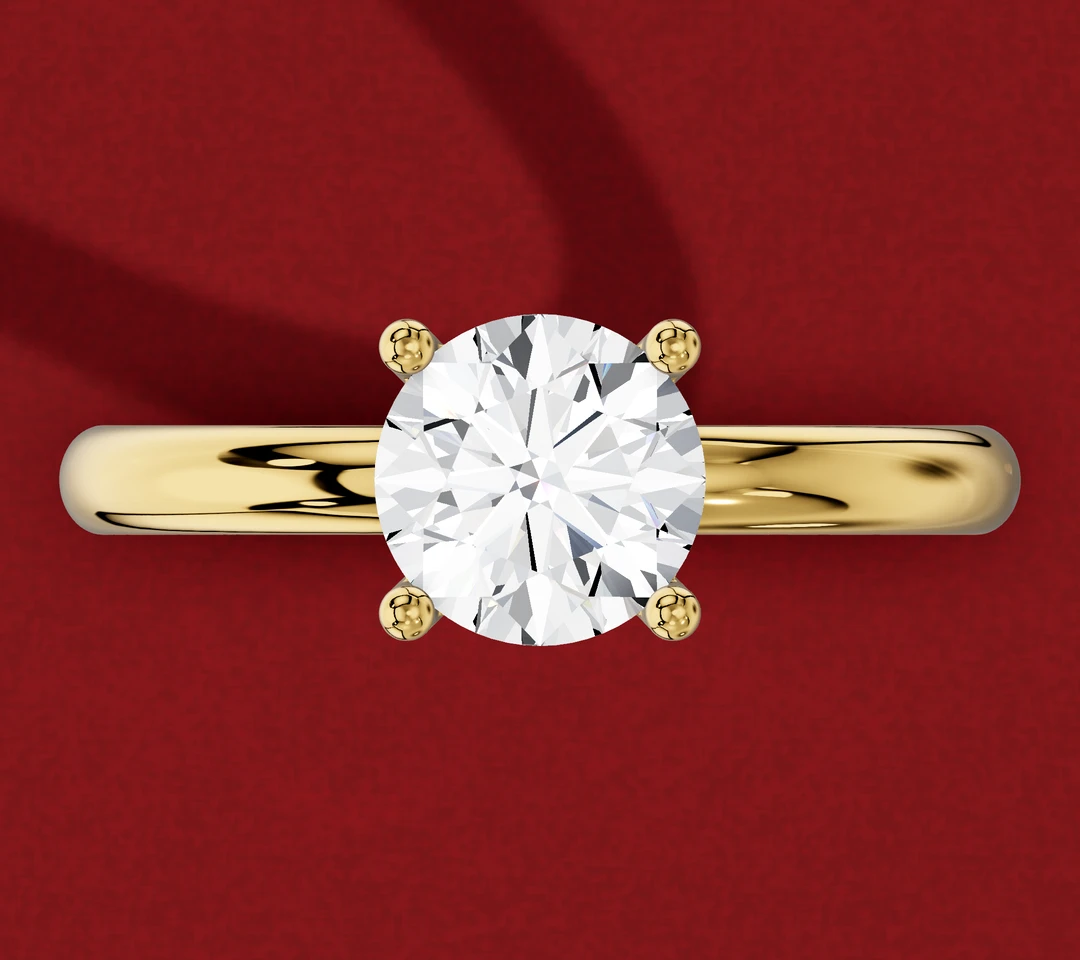
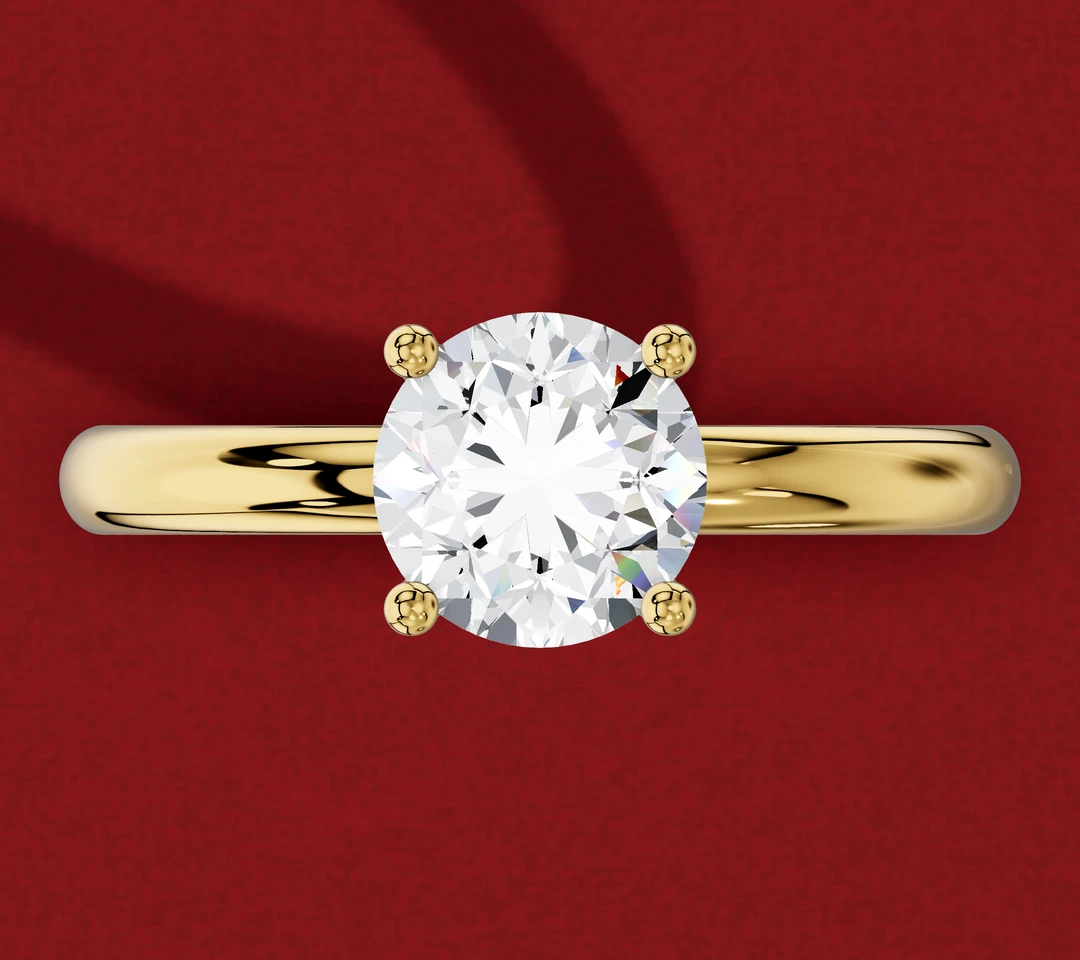
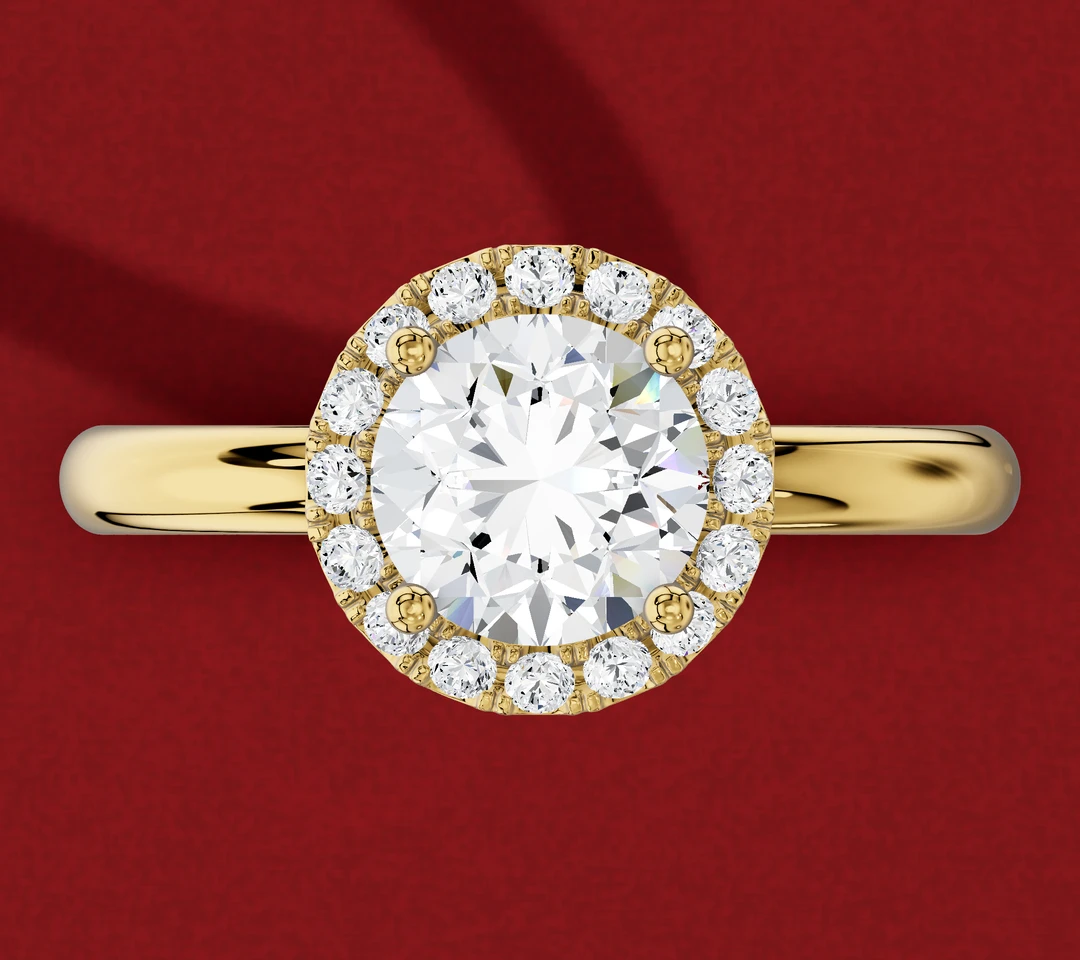
The top view shows the outline
Start with the outer edge of the centre stone. In a plain solitaire, that outline and the claws or bezel around it carry much of the design. In a halo ring, smaller stones form another outline around the centre.
That extra frame can change the overall impression substantially. GIA explains how a halo can make a centre stone appear larger, without changing the centre stone itself. How much you notice the effect depends on the particular design. A fine border and a broad, clearly separated halo will give you different looks.
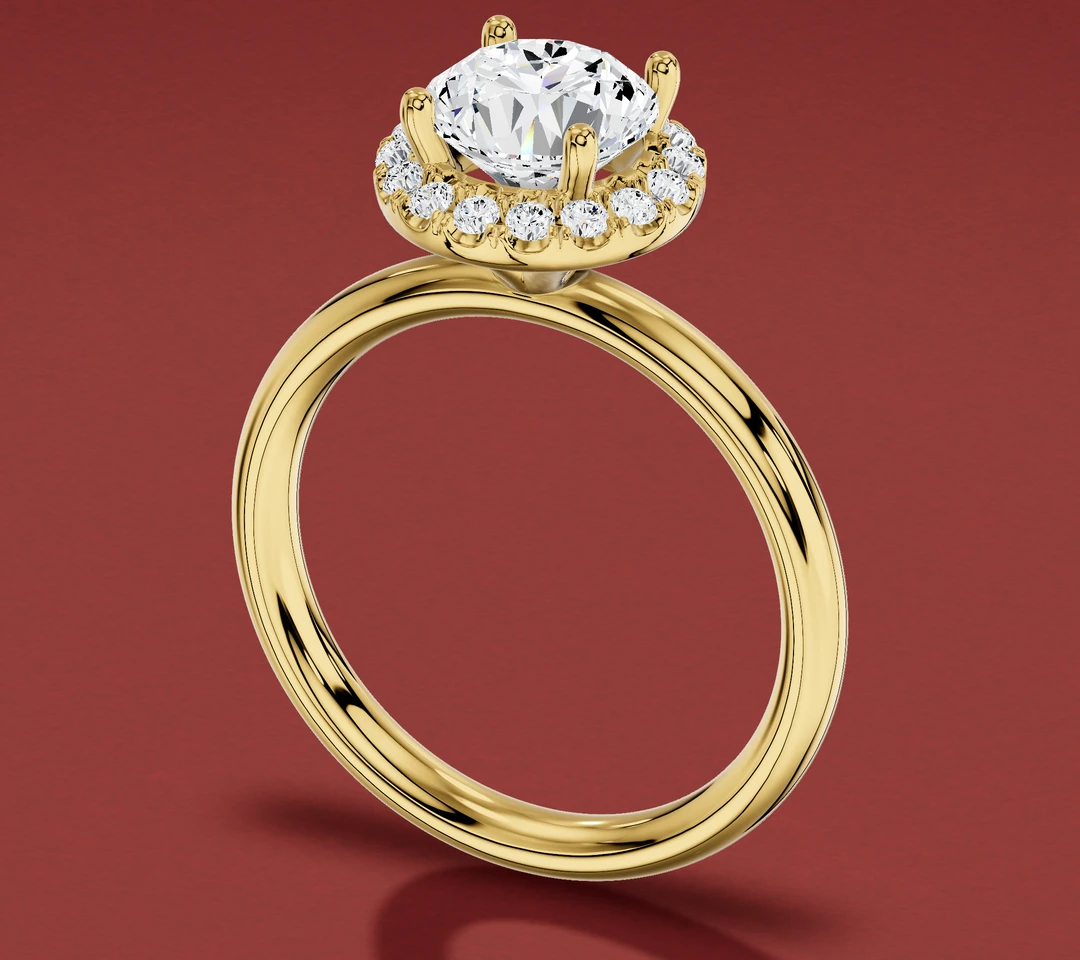
A hidden halo places its accent stones below the centre, so the top view may remain close to a solitaire. Look carefully at the actual ring, though. “Hidden” does not guarantee that every accent stone disappears from every overhead or tilted view. The halo's position, width and the angle you are looking from all matter.
When comparing, ask yourself: do I prefer seeing the centre stone's outline on its own, or do I enjoy the frame around it?
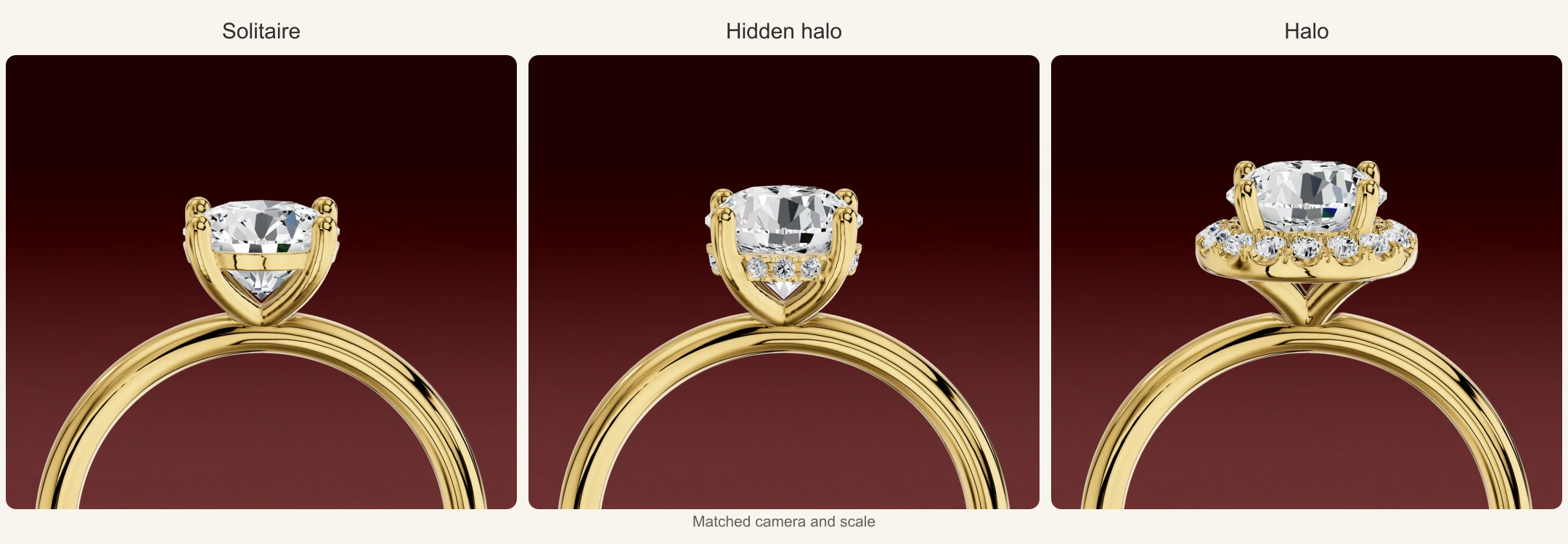
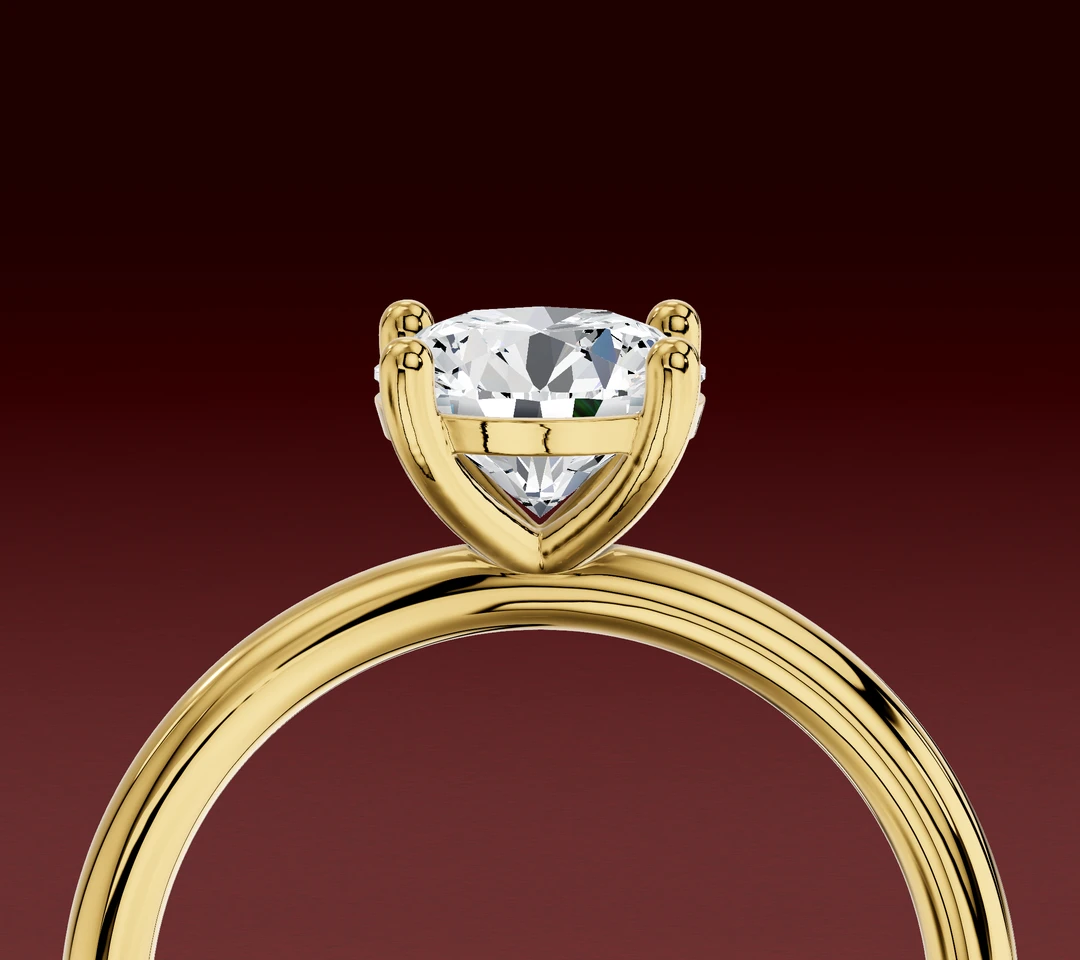
The side view reveals the setting
Turn the ring until you can see beneath the centre stone. This is where a hidden halo earns your attention.
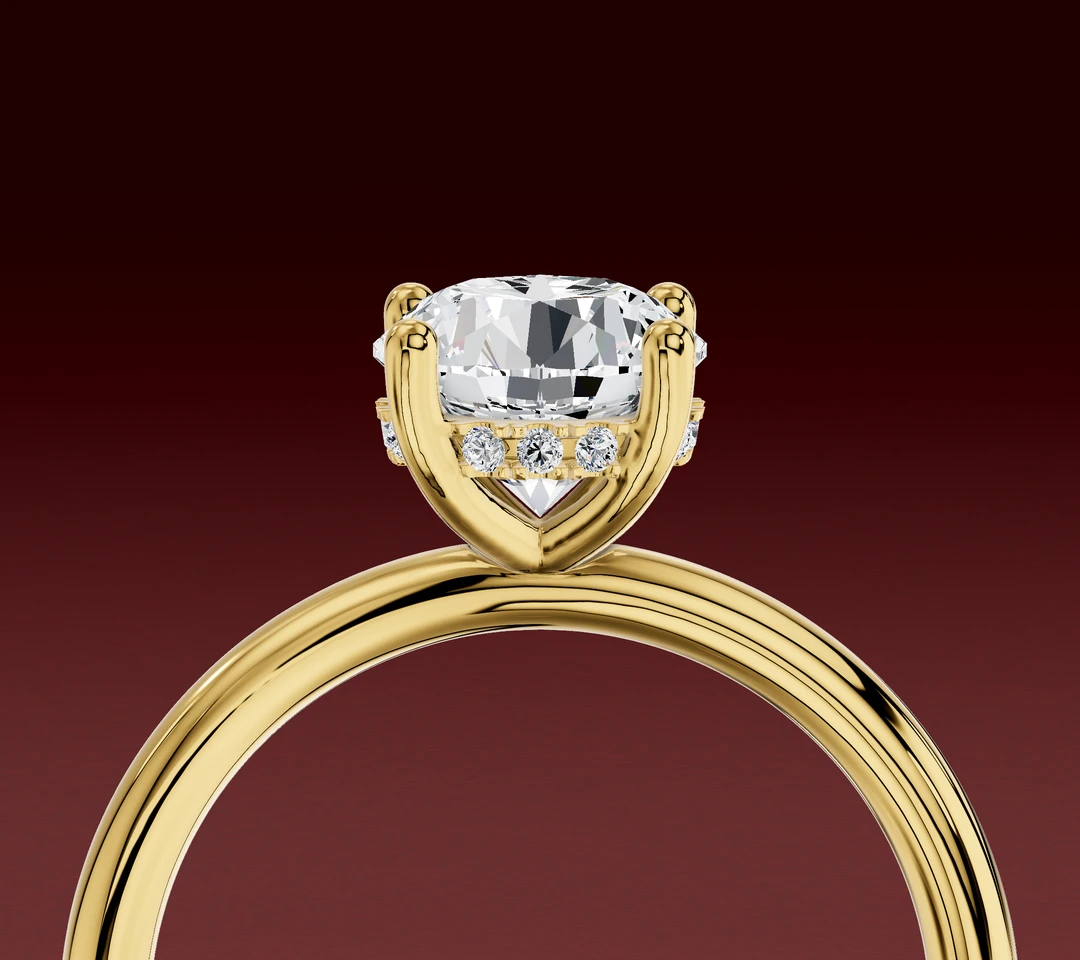
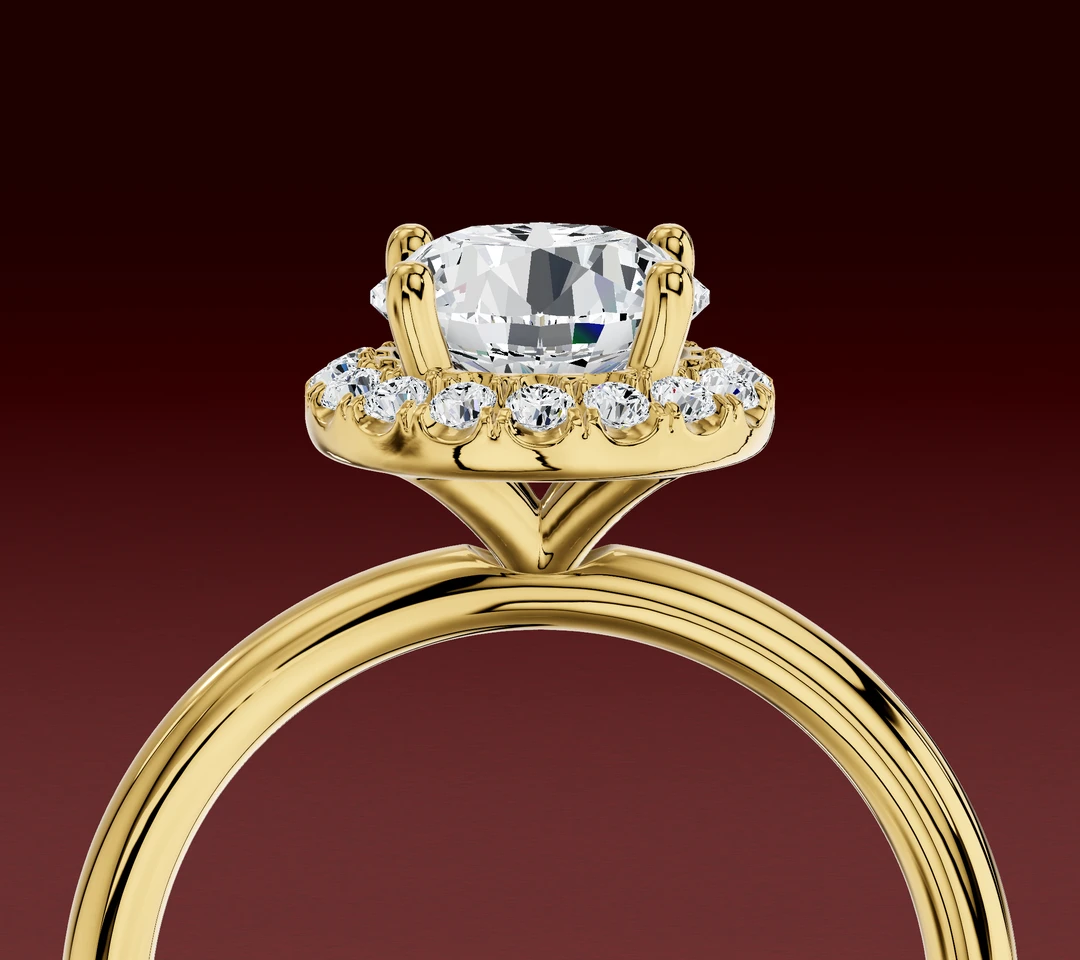
View this comparison at full size
Look for the line of small stones and follow it around the setting. Notice how it relates to the metal supports and the band below. You may love a detail that only comes into view when you lift or turn your hand. Or you may prefer an open, simpler profile.
The solitaire deserves the same close look. Without a halo, the shape of the metalwork becomes an important part of its character. Two rings described as solitaires can have quite different side profiles.
It helps to separate the style name from the construction. GIA's guide to engagement ring settings distinguishes the arrangement of stones from the mounting that holds them. A style label alone does not tell you the ring's height, claw design or exact structure beneath the stone.
Compare those features directly. Avoid assuming a hidden halo must be taller than a solitaire, or that a traditional halo must sit low. Ask for the dimensions of the particular design you are considering.
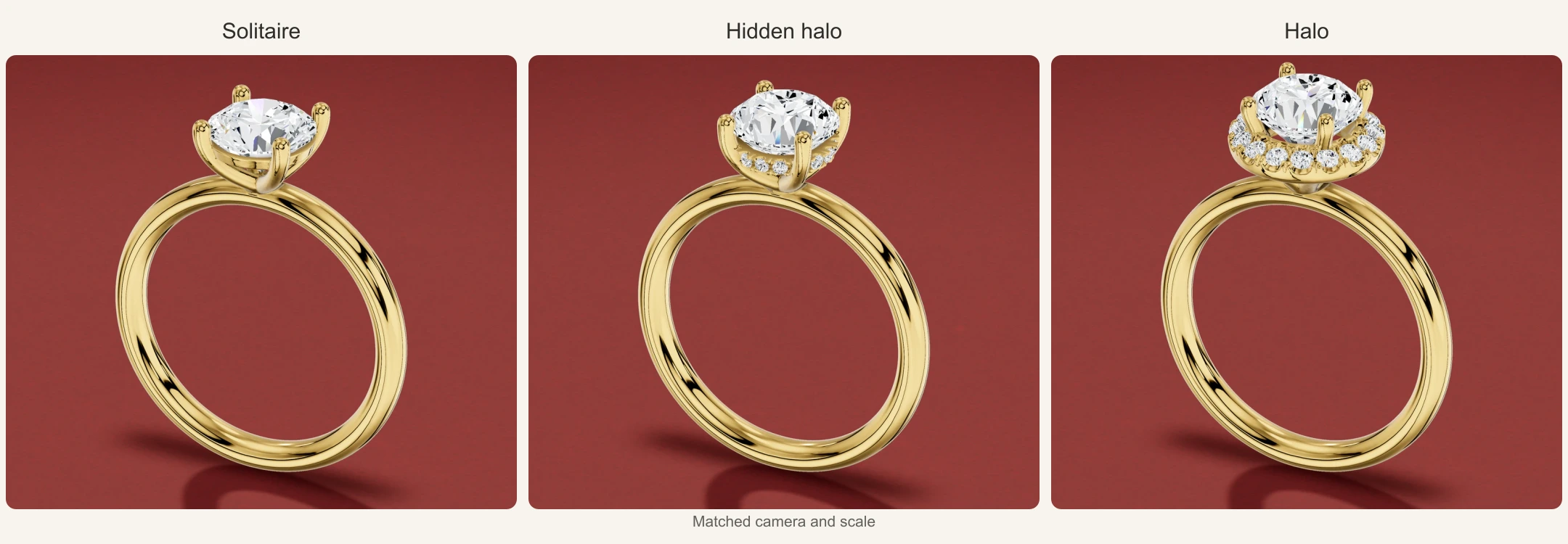
An angled view brings both together
The three-quarter view lets you see some of the face of the stone and some of the setting beneath it. Use it to check whether the details you liked separately still feel balanced together.
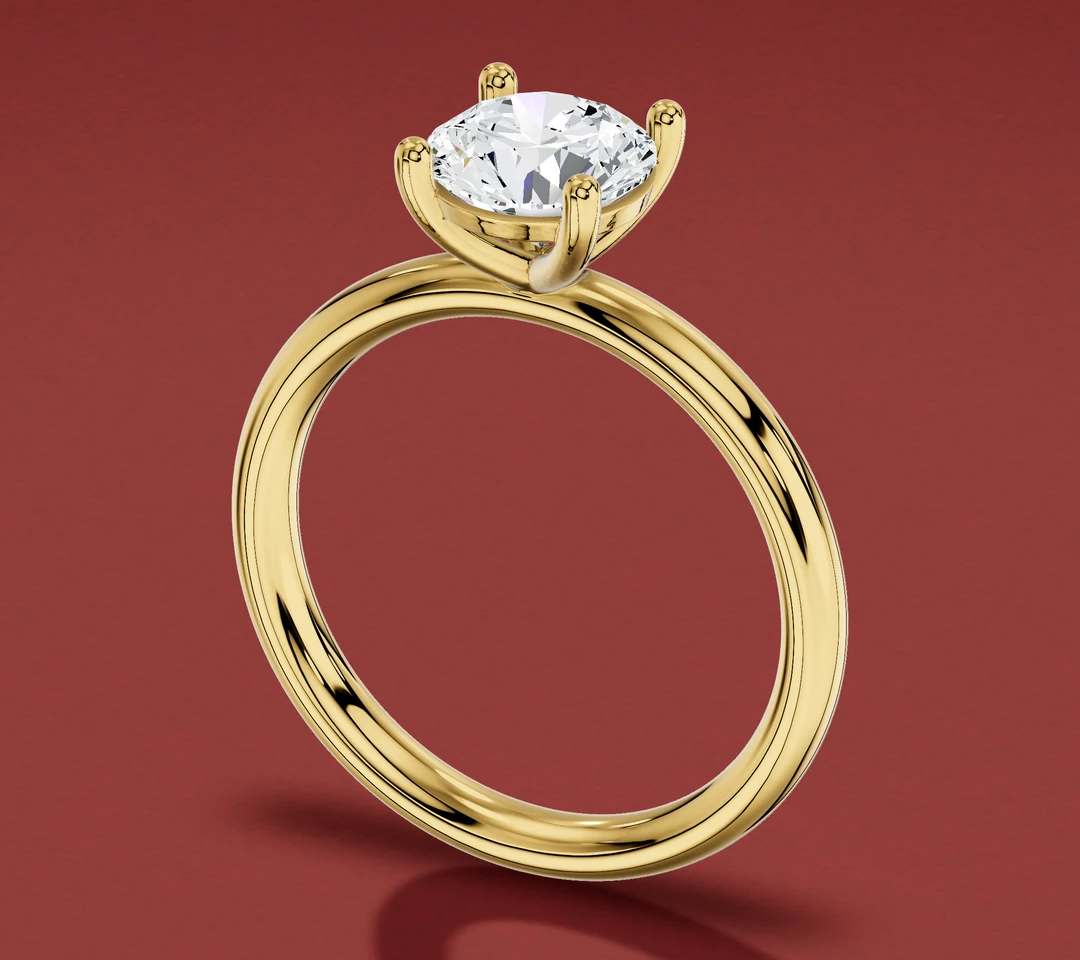
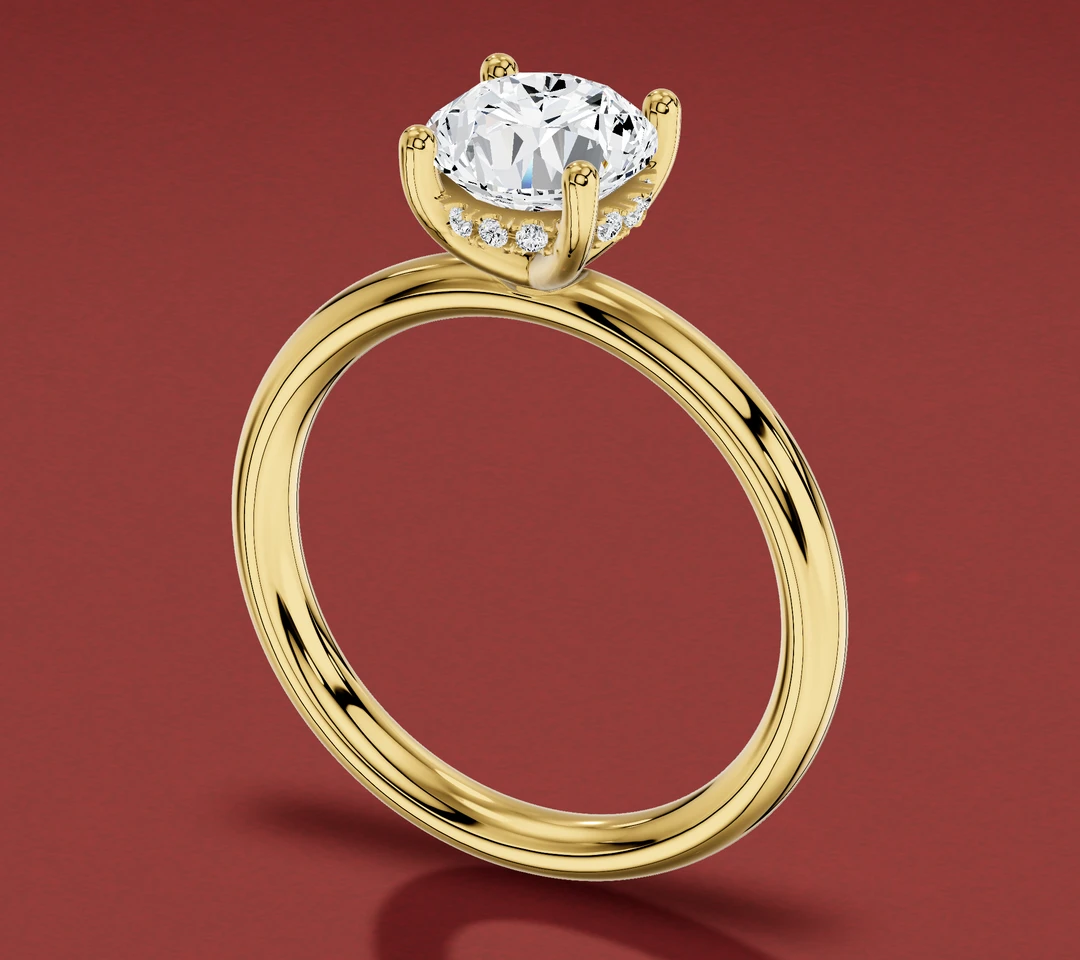
View this comparison at full size
Try a simple test: look at each ring for a few seconds, then note what drew your eye first. Was it the centre stone, the surrounding halo or the detail underneath? There is no correct answer. You are working out where you want the emphasis.
Return to the wider view after zooming in. A tiny detail can be appealing in close-up while playing a much quieter role at the distance you usually see your hand.
Wedding-band fit needs its own check
Decide early whether you want a straight wedding band, a shaped band or a visible gap between the two rings. Then compare that band alongside the engagement ring.
A clean top view cannot tell you whether a straight band will sit close. The parts beneath the centre stone can occupy that space, including the basket, supports or hidden halo. The wedding band's own width, thickness and stone settings also need to be considered.
Ask your jeweller to show the two rings together from above and from the side. Where do they meet? Does any part of one ring press against the other? Can the jeweller check the intended fit and contact points before you approve the design?
If you prefer a band that follows the engagement ring's outline, our guide to curved wedding bands explains the options. A small gap can also be an intentional part of the finished look.
Extra stones add care points
A halo or hidden halo gives you more small stones and settings to keep clean and have checked. The practical question is whether you are comfortable looking after those details.
GIA's care guidance for engagement rings and wedding bands recommends regular cleaning and professional inspections. Ask your jeweller to demonstrate how to reach the underside of your particular setting and which cleaning method suits the complete ring.
A plain solitaire still needs care. Check the centre-stone setting as part of the same routine, whichever style you choose.
Choose the view you love
Shortlist a solitaire for a centre-led look, a hidden halo for detail underneath, or a halo for a visible frame.
Bring your favourite top, side and angled views to a custom engagement ring consultation. Point out what you like in each, and include the wedding band you have in mind. That gives us a clear starting point for your ring.
Designed by us in Melbourne, made to order
Lily Dia is a small studio, so every ring is drawn, set and finished for the person wearing it. If this article helped, the collection shows how these choices look on real rings, and you can ask us anything before you decide.
Browse engagement ringsOr ask us a question first