
Is a VS1 or VS2 better for an engagement ring?
For most engagement rings, VS2. Both VS1 and VS2 are eye-clean in normal viewing (meaning no inclusions are visible to the naked eye at arm's length), so the visual difference between them is essentially zero on the finger. VS2 costs less, which means more of the budget goes to carat size, cut quality, or colour, all of which change how the stone looks in ways that matter.
VS1 becomes the smarter call in two specific cases: step cuts (emerald and asscher) where the broad open facets work like a window into the stone, and any diamond above 2 carats where the bigger crystal makes any inclusion easier to spot. Outside of those two situations, the upgrade to VS1 is paying for a clarity bump that you cannot see.
What is the difference between VS1 and VS2 clarity?
Both sit in the "Very Slightly Included" range on the GIA clarity scale, which runs from FL (flawless) at the top through IF, VVS1, VVS2, VS1, VS2, SI1, SI2, then I1, I2, I3 at the bottom. Within the VS band, the difference is how easy the inclusions are to see under 10x magnification:
- VS1: inclusions are difficult to see under 10x magnification. A trained grader has to search for them. They are typically small, light-coloured, and located in spots that do not catch the eye.
- VS2: inclusions are slightly easier to see under 10x magnification. Still not obvious, and still not visible to the naked eye in normal viewing, but a grader spots them faster than they would in a VS1.
Crucially, both grades are usually eye-clean from face-up at normal viewing distance, which is how anyone other than a jeweller with a loupe will ever see the stone. The grader's distinction between VS1 and VS2 is real, but it is a magnification distinction, not a naked-eye distinction.
Is VS2 eye clean?
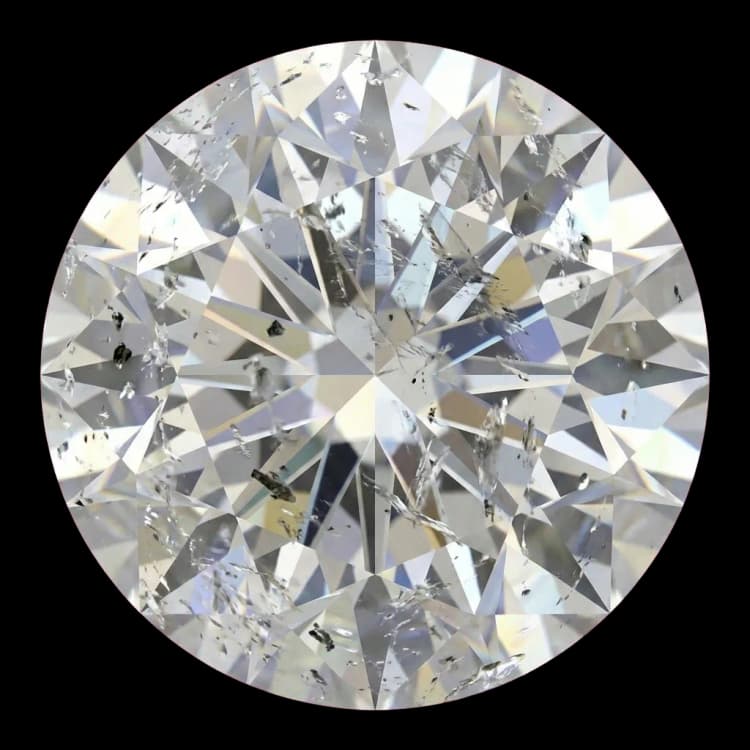
Almost always, yes, in brilliant-cut shapes under 2 carats. The combination of small-to-medium size and the high scintillation of a brilliant cut hides VS2-grade inclusions completely from the naked eye in normal lighting. You will not see them at the dinner table, in photos, or under normal indoor light.
The cases where a VS2 might not be eye-clean:
- Step cuts (emerald, asscher) of any size. Broad open facets show inclusions that brilliant facets hide.
- Larger stones (over 2 carats) in any shape. The bigger the stone, the more surface area, and the easier any inclusion is to find.
- VS2 stones with centrally-placed dark inclusions. Rare in lab-grown diamonds, more common in mined. Always view the actual stone or a high-magnification photo of the actual stone before buying.
For any of those cases, view the specific stone before committing. A reputable jeweller (us included) will show you 360-degree video of the actual diamond before you buy, so you can check the location and visibility of any inclusion at high zoom.
Is VS1 worth the extra money?
For step cuts and stones above 2 carats, yes. For everything else, no.
The price gap between VS1 and VS2 on a 1 carat lab-grown diamond is small (roughly $200 to $400 AUD on a typical stone). On a 2 carat stone it widens to $400 to $800 AUD. On larger stones it widens further. That money has more visible impact spent on a half-grade better cut, a slightly higher colour grade, or simply more carat weight than it does on a clarity grade nobody can see at arm's length.
The exception is buyers who specifically care about the grading certificate as a document, or who plan to keep the diamond in pristine certified condition for resale or inheritance reasons. In that case the higher clarity grade is meaningful as a record, even if it is not meaningful visually.
When should you go VS1 instead of VS2?
Two situations where VS1 is the right call:
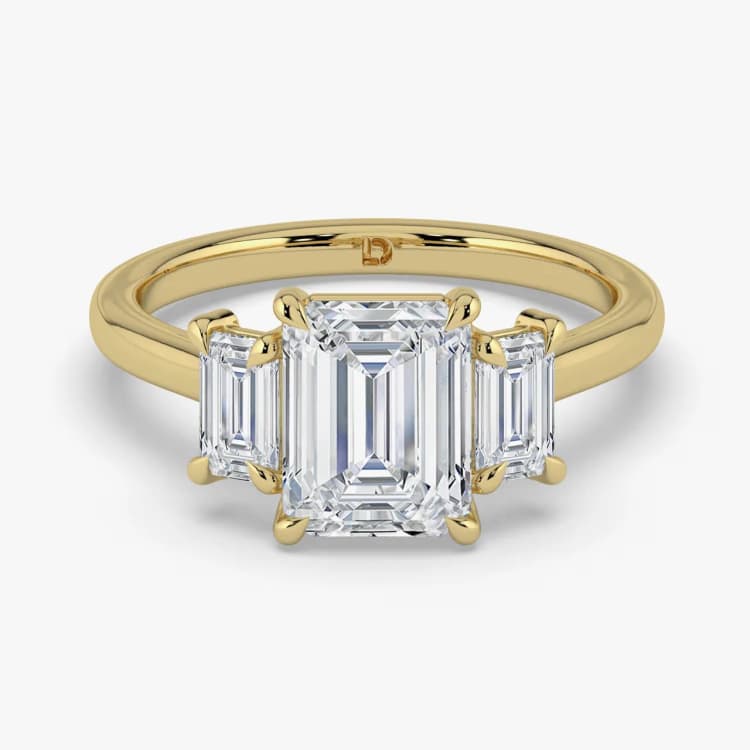
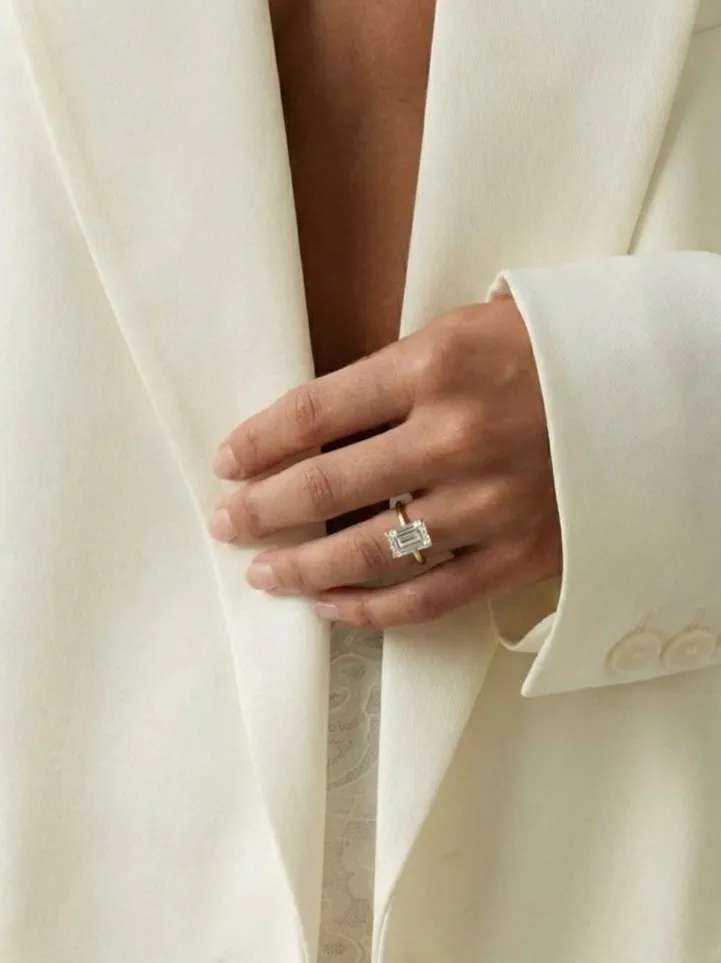
Step cuts: emerald, asscher, and square emerald. Step-cut facets are long, broad, and parallel. They behave like a window straight through the stone instead of breaking light into scattered flashes. Any inclusion at VS2 level becomes visible because there is nothing to hide it. For these shapes, the floor is VS1, and VVS2 or VVS1 is worth considering for buyers who want extra peace of mind.
Diamonds above 2 carats. As a stone gets larger, every flaw inside it scales up in apparent size too. A 0.5mm inclusion that disappears in a 1 carat round becomes obvious in a 3 carat round. For 2 carats and above, VS1 is the safer floor, and VVS2 is worth the look for stones above 3 carats.
Step cuts above 2 carats are the combination case: both factors apply, and VVS2 becomes the sensible starting point.
When is VS2 the smarter choice?
For most engagement rings. Specifically:
- Round brilliant under 2 carats
- Oval, pear, cushion, or marquise under 2 carats
- Princess, radiant, or heart under 2 carats
- Any brilliant-cut accent stone (halos, three-stone side stones)
In all of these, VS2 is reliably eye-clean and the cost saving over VS1 frees up budget for things that have visible impact. The most useful place to spend that saving is on cut grade. An excellent or ideal cut grade does more for the look of the stone than any clarity bump from VS2 to VS1.
A practical buying order for an engagement ring in Australia within a fixed budget:
- Get the cut grade right (excellent or ideal)
- Pick a colour grade that suits the metal (G or better for white metals, H or I for yellow/rose)
- Stay at VS2 unless it is a step cut or over 2 carats
- Spend everything else on carat weight
How much do VS1 vs VS2 diamonds cost in Australia?
Rough 2026 AUD price gaps for the same stone in lab-grown, round brilliant, G colour, excellent cut:
- 1 carat: VS2 around $1,200 to $1,600, VS1 around $1,400 to $1,800. Gap of $200 to $400.
- 1.5 carats: VS2 around $2,000 to $2,800, VS1 around $2,400 to $3,200. Gap of $300 to $500.
- 2 carats: VS2 around $3,200 to $4,500, VS1 around $3,800 to $5,200. Gap of $400 to $800.
- 2.5 carats: VS2 around $4,500 to $6,500, VS1 around $5,400 to $7,500. Gap of $700 to $1,200.
- 3 carats: VS2 around $6,500 to $9,500, VS1 around $7,800 to $11,500. Gap of $1,000 to $1,800.
Mined diamond gaps are roughly five to seven times wider at the same specifications, which is why the VS2/VS1 decision becomes more financially significant on a mined stone than a lab-grown one. On lab-grown the difference is meaningful but not huge, and using it as a clarity buffer on a step cut or large stone is usually the better call.
Is there a clarity grade lower than VS2 that still looks good?
Yes, SI1 can work in brilliant-cut shapes if you view the specific stone first. SI1 sits one step below VS2 on the clarity scale and means "slightly included", with inclusions that are noticeable under 10x magnification. Around 30 to 50% of SI1 stones are still eye-clean from face-up, depending on where the inclusions sit.
Where SI1 works:
- Brilliant cuts (round, oval, cushion, pear) under 1.5 carats
- Stones where the inclusions are at the edge of the table or hidden under prongs
- Buyers willing to view a 360-degree video or the actual stone before committing
Where SI1 does not work:
- Step cuts (emerald, asscher)
- Stones above 1.5 carats
- Any stone with central or dark inclusions
For most buyers, VS2 is the safer floor because the eye-clean rate is much higher and the price difference is small. SI1 is the call for someone working to a tighter budget who is willing to put in the time to pick the right specific stone. We answer that comparison on its own in VS2 vs SI1: which clarity should you buy.
So, VS1 or VS2?
VS2 for most engagement rings: brilliant cuts under 2 carats, any normal daily-wear ring, anything where the saving on clarity buys a better cut or more carat. VS1 for step cuts (emerald, asscher) at any size, and for any stone above 2 carats where the larger crystal makes lower clarity grades visible.
For a deeper look at how clarity sits alongside the other 4Cs, see our diamond clarity education guide.
View our collection of lab-grown diamond engagement rings at the clarity grade you choose.
Thanks for reading,
Jared and Brie
Designed by us in Melbourne, made to order
Lily Dia is a small studio, so every ring is drawn, set and finished for the person wearing it. If this article helped, the collection shows how these choices look on real rings, and you can ask us anything before you decide.
View lab-grown diamond ringsOr ask us a question first